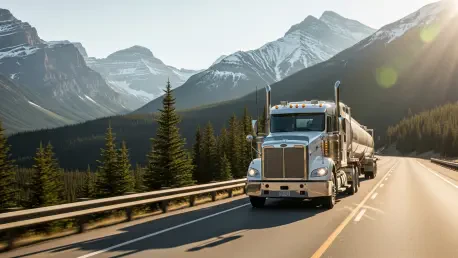

Heavy-haul fleets navigating the unforgiving terrain of the Coquihalla Highway or the sprawling prairies of Alberta are currently facing an unprecedented crossroads between traditional diesel reliance and the accelerating push toward sustainable alternatives. As the logistics sector accounts for a significant portion of regional emissions, the transition to cleaner fuels is no longer a distant theoretical goal but a pressing operational requirement. While electric semi-trucks dominate headlines in urban delivery contexts, the sheer distances and extreme temperatures of Western Canada necessitate a more robust bridge technology. Natural gas, particularly in its compressed and liquefied forms, has emerged as a frontrunner due to its ability to utilize existing internal combustion expertise while offering immediate reductions in carbon output. This shift is being driven by a combination of stringent environmental regulations and the logistical reality that hydrogen and electric battery systems still struggle with the heavy payloads and remote stretches common in the western provinces. By utilizing the vast natural gas reserves of the region, the industry is finding a path that balances economic viability with environmental stewardship.
Infrastructure Expansion and Regional Integration
Scaling the Refueling Network: Corridors and Accessibility
The build-out of refueling infrastructure along the Trans-Canada and Yellowhead Highways has reached a critical mass that finally supports long-haul operations without the constant fear of range anxiety. Major energy providers have partnered with logistics hubs in Calgary, Edmonton, and Vancouver to ensure that high-flow compressed natural gas stations are strategically located within the four-hundred-mile range window common for Class 8 trucks. Unlike the slow rollout of high-capacity electric charging, natural gas stations can often be integrated into existing truck stops with significantly less strain on the provincial power grids. This development allows carriers to maintain tight schedules and turn-around times that mirror their legacy diesel operations. Furthermore, the standardization of refueling nozzles and pressure systems across different provinces has eliminated many of the regional compatibility issues that previously hindered cross-border transport between British Columbia and the neighboring prairies. This integration is essential for the seamless flow of goods across the country.
Renewable Natural Gas: Driving Sustainability Through Local Resources
Integrating renewable natural gas into this existing infrastructure represents a significant leap forward in the quest for net-zero carbon transportation within the trucking industry. By capturing methane from agricultural waste and municipal landfills, producers are creating a drop-in fuel that utilizes the same dispensers and engines as conventional natural gas but with a drastically lower carbon intensity. This circular economy model is particularly effective in Western Canada, where the abundance of agricultural operations provides a steady feedstock for RNG production facilities. Fleet managers are increasingly signing long-term procurement contracts for RNG to meet corporate ESG targets while avoiding the massive capital expenditures required for hydrogen fuel cell technology. This move not only stabilizes fuel costs by insulating them from global oil price volatility but also provides a tangible way for heavy-haulers to contribute to regional waste management solutions. The transition to RNG has effectively turned a fossil fuel bridge into a long-term sustainable pathway for the logistics sector.
Operational Efficiency and Powertrain Innovation
Heavy-Duty Performance: The Cummins X15N and Winter Reliability
The introduction of the Cummins X15N engine has been a game-changer for Western Canadian operators who were previously skeptical of the power output provided by smaller-displacement natural gas units. This high-horsepower engine delivers the torque necessary to pull B-train configurations through steep mountain passes, matching the performance profiles of fifteen-liter diesel engines that have been the industry standard for decades. Reliability in sub-zero temperatures is another area where modern natural gas powertrains have proven their worth against the limitations of battery-electric systems which lose significant efficiency in the Canadian winter. Early data from fleet trials in Northern Alberta suggests that these newer engines maintain consistent thermal management even when idling in extreme cold, a critical factor for driver safety and engine longevity. Moreover, the weight savings of natural gas tanks compared to massive battery arrays allow for higher payload capacities, ensuring that freight efficiency is not compromised for the sake of environmental compliance.
Strategic Implementation: Economic Viability and Future Prospects
Stakeholders throughout the Western Canadian trucking landscape recognized that the wait-and-see approach to decarbonization was no longer a viable business strategy. The industry moved toward a hybrid operational model where natural gas served as the primary heavy-haul solution while short-range electric vehicles handled urban last-mile deliveries. Policy makers simplified the transition by offering tax credits for natural gas conversions and streamlining the permitting process for new RNG production sites. Fleet owners who invested early in natural gas infrastructure found themselves better positioned to secure lucrative contracts with environmentally conscious shippers. Moving forward, the integration of telematics and predictive maintenance became essential for optimizing the performance of these sophisticated natural gas powertrains. The focus shifted toward developing even more efficient cryogenic storage solutions to increase the range of liquefied natural gas trucks for the most remote routes. This period of transition underscored the necessity of a pragmatic approach that balanced environmental goals with the harsh geographic and economic realities of the Canadian West.