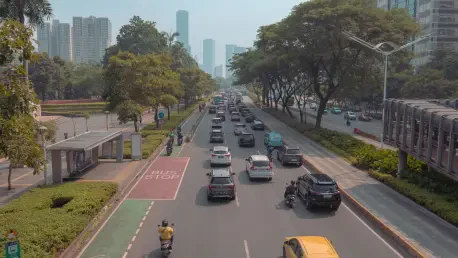

The dense, grayish haze that frequently blankets the skyline of Jakarta has transformed from a seasonal nuisance into a permanent health emergency, suffocating millions of residents daily and straining the city’s infrastructure. Recent data indicates that the concentration of fine particulate matter, known as PM2.5, has consistently exceeded safe guidelines by over ten times, leading to a visible deterioration in public well-being. This environmental degradation is not merely an aesthetic issue but a catalyst for a medical crisis that affects every demographic, from children to the elderly. As the metropolis continues its rapid expansion, the lack of immediate intervention has created a scenario where breathing becomes a calculated risk for the population. Economists noted that the productivity losses associated with air-quality-related illnesses began to rival the costs of major natural disasters, signaling that the current trajectory was unsustainable.
Pathological Consequences: Persistent Pollutant Exposure
Medical facilities across the Greater Jakarta area report a staggering surge in respiratory admissions, with instances of acute lung infections and chronic obstructive pulmonary disease reaching levels never before seen in the region. Pediatricians are particularly alarmed by the developmental impacts on the younger generation, as long-term exposure to toxic air hinders lung growth and increases the likelihood of lifelong asthma. The chemical composition of the city’s smog, often a cocktail of vehicle emissions, industrial discharge, and waste burning, penetrates deep into the bloodstream, causing systemic inflammation that extends far beyond the respiratory tract. Furthermore, specialized oncology units have documented a rising trend in non-smoker lung cancer cases, suggesting that the environment itself has become a primary carcinogen for the urban populace. The volume of patients seeking treatment for these conditions has placed an unprecedented burden on medical staff.
Beyond the immediate clinical symptoms, the psychological and cognitive toll of living in a polluted environment emerges as a significant area of concern for public health researchers. Studies conducted in urban centers similar to Jakarta find strong correlations between high pollution levels and decreased cognitive performance, along with an increase in neurodegenerative disorders among the aging population. The constant presence of the haze creates a sense of environmental anxiety among citizens, who must constantly monitor air quality indices before stepping outside or sending their children to school. This chronic stress, combined with the physiological damage caused by nitrogen dioxide and sulfur dioxide, contributes to a decline in the quality of life that numbers alone cannot fully capture. While the medical community works to mitigate the symptoms, the underlying cause remains an omnipresent threat that necessitates a shift toward more proactive management strategies.
Implementation Strategy: Smart Monitoring and Mitigation Systems
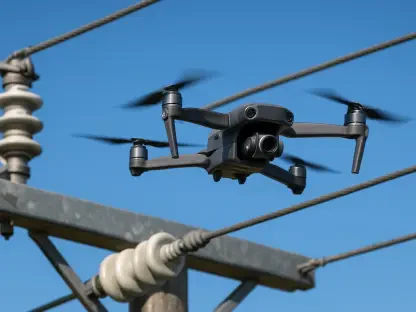
To combat this invisible killer, the city increasingly relies on an expansive network of high-tech sensors and Internet of Things devices that provide real-time air quality data to both policymakers and the public. These smart systems utilize machine learning algorithms to identify specific pollution hotspots, allowing for targeted enforcement of emission standards and industrial regulations. By analyzing meteorological patterns alongside traffic flow data, the municipal government attempts to predict peak toxicity periods, advising residents to stay indoors when the risk is highest. However, the effectiveness of these digital tools is often hampered by the sheer scale of the informal economy and the high volume of older, poorly maintained vehicles that still dominate the streets. While the data collection process improves significantly, the transition from gathering information to implementing enforceable bans remains a complex political and social hurdle that requires a more unified approach.
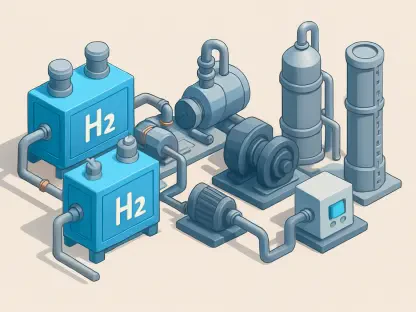
Strategic solutions required the immediate integration of transboundary pollution agreements that held neighboring industrial zones accountable for the air quality within the metropolitan borders. Authorities implemented a mandatory transition for all commercial logistics fleets to hydrogen or electric power, which significantly lowered the daily particulate output from heavy machinery. Urban developers were mandated to incorporate advanced air-scrubbing technologies into the facades of high-rise buildings, effectively turning the skyline into a functional filtration network. Furthermore, the establishment of a dedicated environmental health task force ensured that air quality standards were not merely guidelines but legally enforceable mandates with severe penalties for non-compliance. These steps moved the city beyond simple monitoring toward a proactive era of environmental restoration. By prioritizing the biological integrity of the atmosphere, the government successfully established a replicable model.