
Engineers at the Plock hub are preparing to implement technical upgrades that will boost the refinery’s capacity for processing bio-based materials by fifty percent. This shift represents a fundamental change in how industrial energy hubs operate, moving away from a total reliance on fossil fuels toward a hybrid model that incorporates significant amounts of renewable organic matter. The recent acquisition of the ISCC Plus certification acts as a formal validation of these efforts, providing a standardized framework for the refinery to document and verify the sustainability of its raw materials. This certification is particularly crucial as European markets tighten their environmental regulations, requiring fuel producers to prove the origin and carbon footprint of their products with high precision. By investing in these upgrades, the facility ensures its relevance in a landscape where carbon-intensive industries face mounting pressure to decarbonize. The move positions the regional energy sector to lead in the production of lower-carbon fuels, facilitating a smoother transition for heavy industries and transport networks across the continent.
The Transition: Scaling Renewable Feedstocks
Integration: The Role of Co-Processing Systems
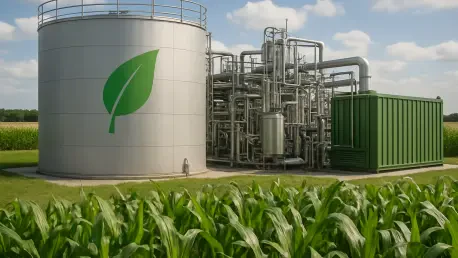
The technical execution of this expansion relies heavily on advanced co-processing technology, a method that allows for the simultaneous treatment of bio-feedstocks and traditional petroleum fractions. Within the Plock facility, existing hydrodesulfurization units are being recalibrated to handle the unique chemical properties of lipids derived from waste fats and vegetable oils. This integration is advantageous because it maximizes the utility of current assets while significantly reducing the need for new, separate production lines. The chemical conversion process turns these renewable inputs into hydrotreated vegetable oil (HVO), which serves as a drop-in replacement for conventional diesel. Unlike older generations of biofuels, HVO is highly stable and does not suffer from the storage or performance issues associated with standard fatty acid methyl esters. Engineers have focused on optimizing the hydrogen consumption and catalyst performance within these units to maintain high yields and product purity across varying feedstock blends.
Compliance: Meeting ISCC Plus Standards
Adhering to the ISCC Plus standard requires a meticulous approach to the supply chain, where the traceability of every ton of waste oil or biomass is strictly enforced. The refinery has implemented digital tracking systems that record the journey of feedstocks from their point of collection to their final conversion into fuel. This mass-balance approach ensures that the environmental benefits claimed by the final product are backed by empirical data, preventing the risk of greenwashing in the energy market. Such transparency is vital for establishing long-term contracts with international logistics firms and airlines that are under strict mandates to reduce their greenhouse gas emissions. Beyond simple compliance, the certification allows the hub to tap into a premium market for certified sustainable products, where verified carbon savings command a higher value. The rigorous auditing process involved in this certification covers not only carbon emissions but also social and biodiversity factors, ensuring that the entire production cycle respects ecological boundaries and ethical labor practices.
Strategic Outlook: Scaling Sustainable Aviation Fuel
Strategic planners at the facility identified key areas where the expansion of sustainable aviation fuel (SAF) production could be maximized through the repurposing of idle infrastructure. The management team completed the initial phase of supply chain diversification, securing agreements with regional collectors of used cooking oil to ensure a steady flow of high-quality waste materials. These steps were taken to mitigate the risks associated with price volatility in the global vegetable oil market. Furthermore, the technical department successfully conducted test runs of new catalyst formulations that increased the efficiency of bio-component conversion by several percentage points. Moving forward, the focus remains on the development of next-generation biofuels derived from non-food lignocellulosic biomass, which will require further refinements in pretreatment technologies. The lessons learned during this certification process and the subsequent technical upgrades provided a clear path for other refineries to follow. Decision-makers advocated for continued investment in blending facilities to accommodate the projected surge in demand for renewable energy within the transportation sector.