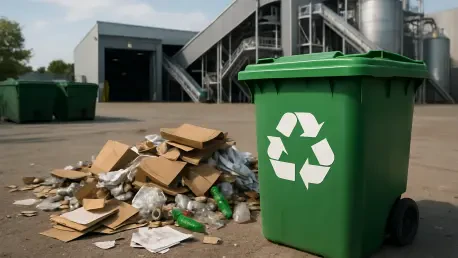

A massive injection of federal funding is set to redefine how Pittsburgh manages its municipal waste, moving the city closer to its ambitious sustainability targets. The $1.66 million grant from the Environmental Protection Agency (EPA) represents a pivotal moment for urban infrastructure in Western Pennsylvania. This investment aims to fix historical inefficiencies in the recycling collection process while expanding the reach of blue-bin services to neighborhoods that have long been underserved. The city struggled with outdated equipment and a lack of standardized containers, leading to contamination issues and lower participation rates among residents. Now, with this financial boost, Pittsburgh is poised to implement a modernized system that emphasizes reliability and environmental stewardship. By integrating advanced logistics and newer vehicle fleets, the city expects to see a significant uptick in the volume of diverted waste, ensuring materials are repurposed.
Infrastructure Upgrades: Strategic Expansion
Optimizing Collection With Modern Equipment
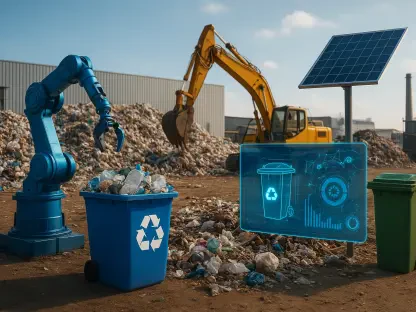
The primary focus of the infrastructure overhaul involves the procurement of specialized recycling vehicles designed to handle higher capacities and operate more efficiently on the city’s unique topography. These new trucks feature automated arms and improved compression technology, which reduces the number of trips required to disposal facilities and lowers the overall carbon footprint of the sanitation department. Beyond the machinery itself, a substantial portion of the EPA grant is earmarked for the distribution of standardized recycling bins to thousands of households across the metro area. Historically, the use of varied containers led to confusion and accidental contamination of recyclables, which often resulted in entire loads being rejected at processing centers. By providing uniform, high-capacity bins, the city ensures that materials are better protected and that collection crews can work safely, ultimately lowering the operational costs associated with daily routes.
Integrating Data and Fleet Management
Implementing these hardware upgrades is just the first step in a broader strategy to refine the material recovery process within the urban core. The transition toward more robust collection methods allows the city to better manage the influx of post-consumer materials, particularly as the demand for high-quality recycled plastic and cardboard continues to grow in the industrial sector. With better equipment, Pittsburgh can more effectively separate glass from other materials at the source, which is a critical factor in maintaining the value of collected items. This systematic change is intended to stabilize the local recycling market by providing cleaner, more reliable streams of feedstock for regional manufacturing plants. Furthermore, the integration of real-time route optimization software into the new fleet ensures that every gallon of fuel used is maximized for efficiency. This data-driven approach allows for dynamic adjustments, ensuring no neighborhood is left behind.
Operational Efficiency: Community Engagement
Enhancing Public Awareness and Education
While new trucks and bins provide the necessary physical framework, the success of the modernized recycling program hinges on active and informed participation from the local population. A significant segment of the grant is dedicated to an expansive public education campaign designed to clarify what belongs in the blue bins. Many residents remain uncertain about current recycling standards, leading to the inclusion of non-recyclable plastics and food-soiled paper that degrade the quality of the entire batch. To combat this, the city is deploying a multi-channel communication strategy that includes localized workshops, digital resources, and physical mailers detailing the latest guidelines. By targeting specific demographics and neighborhoods with tailored messaging, the initiative aims to build a culture of environmental responsibility that transcends simple compliance. This educational push is not merely about instructions but illustrates the direct economic benefits.
Building a Sustainable Future for Waste Management
Following the initial rollout, the city established a comprehensive monitoring system to track the long-term impact of these investments on waste diversion rates and greenhouse gas emissions. Stakeholders utilized the initial phase of this grant to set benchmarks for success, ensuring that every dollar spent translated into measurable improvements in municipal services. The move toward a digitized waste management system allowed officials to identify bottlenecks in the sorting process and adjust strategies before they became systemic failures. Community leaders encouraged residents to take full advantage of the new resources by auditing their own household habits and utilizing the available digital tools to stay updated on collection changes. By fostering a public partnership, the city created a resilient recycling ecosystem capable of adapting to future advancements. This proactive stance on urban sustainability served as a blueprint for other cities aiming to balance heritage and standards.