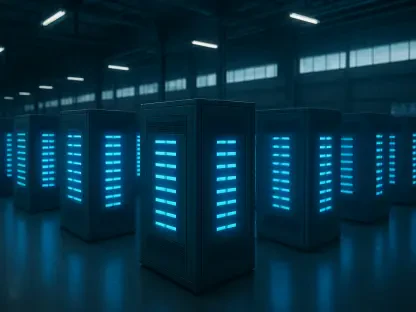

While nuclear power is viewed as a high-potential solution for the digital sector, regulatory hurdles mean most new reactors will not be operational until at least 2030. The rapid expansion of artificial intelligence has moved beyond a mere software revolution, manifesting as a massive physical demand on the world’s electrical infrastructure. As computational models grow exponentially in complexity, the facilities housing them have transitioned from traditional server farms into industrial-scale energy consumers. This shift is not incremental; it is a fundamental restructuring of how energy is prioritized and distributed globally. The sheer volume of electricity required to train and run these models is unprecedented, leading to a scramble for reliable baseload power. Currently, the industry is witnessing a massive influx of capital, with projections suggesting that hyperscalers will spend nearly $7.6 trillion on infrastructure by 2031. This investment reflects a desperate race to secure power in an environment where the supply is constrained.
Immediate Reliance: The Strategic Pivot to Natural Gas
To meet the urgent need for speed to market, technology developers are turning to natural gas as a reliable and immediate energy solution. While long-term sustainability remains a stated corporate goal, the current priority is to get data centers online as quickly as possible, leading developers to build facilities near existing gas pipelines. This strategy bypasses the years of delays often associated with connecting to the national electrical grid, allowing projects to become operational in record time. In the United States, natural gas currently provides about 40% of the energy used by data centers, and this figure is projected to grow significantly by 2030. The industry favors gas because it offers a stable domestic supply that is largely immune to the price swings of international geopolitics. This reliance has created a massive boom for manufacturers of turbines and generators, as tech companies look to secure their own on-site power generation to ensure 24/7 reliability for their AI workloads.
In regions with high energy demand like Texas and Louisiana, massive off-meter projects are becoming the new standard for industrial power. Companies like Microsoft are entering into long-term agreements with energy giants to fuel private power plants that operate independently of local utility constraints. For example, the 20-year agreement between Chevron and Microsoft provides fuel for a 2.67-gigawatt power plant in Pecos, Texas. While these projects provide the necessary high-volume baseload power that AI requires, they also raise significant environmental concerns regarding methane leaks and the long-term impact on carbon reduction goals. These private agreements effectively create a two-tier energy system where major tech firms can outbid local municipalities for access to fuel and infrastructure. This trend highlights the tension between the aggressive expansion of the digital economy and the broader social responsibility of maintaining stable energy costs for the public during this transition.
Balancing Growth: The Integration of Renewable Sources
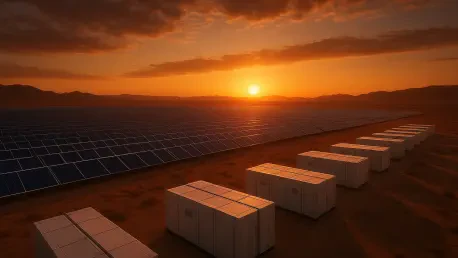
Renewable energy continues to be a vital part of the AI power mix, with solar power expected to see double-digit growth over the next few years. The U.S. Energy Information Administration anticipates that the surge in data center development will be one of the primary drivers for new solar installations, with projected increases in U.S. solar generation of 21% this year and 18% in 2027. Despite their environmental benefits, solar and wind often struggle to provide the constant, uninterrupted power flow that high-performance AI machines need to function around the clock. This intermittency necessitates massive investments in battery storage technologies and hybrid systems that can bridge the gap when the sun is not shining or the wind is not blowing. Consequently, while solar capacity is expanding at a record pace, it cannot yet stand alone as the sole provider for the massive, non-stop computational loads required by modern large language models and other resource-heavy AI applications.
To overcome the limitations of weather-dependent renewables and the backlog of traditional supply chains, some developers are testing experimental energy sources. These include repurposing aerospace engines for power generation and integrating hydrogen fuel cells to maintain uptime during peak demand periods. Such unconventional methods offer a way to bypass the current multi-year wait times for new grid transformers and heavy electrical equipment. Furthermore, geothermal energy is seeing renewed interest, with startups developing advanced drilling techniques to tap into constant heat sources deep underground. However, most experts agree that while these green technologies are expanding, they are currently viewed as supplements rather than replacements for the consistent power provided by fossil fuels in the near term. The capital-intensive nature of these projects means they are often limited to the largest tech firms with the deepest pockets, further consolidating the AI infrastructure market.
Future Capacity: Navigating the Nuclear Renaissance
Nuclear energy is increasingly viewed as the ultimate solution for providing clean, high-capacity baseload power for the AI industry. Major technology firms are already making high-stakes moves to secure nuclear resources, such as investing billions to restart retired reactors. For instance, Constellation Energy is investing $1.6 billion to restart a unit at the Three Mile Island Nuclear Generating Station specifically to power Microsoft’s operations. Similarly, Alphabet and NextEra Energy are partnering to reopen the Duane Arnold Energy Center in Iowa by 2029. This trend marks a significant shift in public and corporate perception of nuclear power, which was once sidelined due to safety and waste concerns. The ability of nuclear plants to provide massive amounts of carbon-free electricity 24/7 makes them an ideal match for the power profiles of AI data centers. As a result, the technology sector is now one of the strongest advocates for modernizing the nuclear regulatory framework.
Despite the enthusiasm for a nuclear renaissance, the path to implementation is fraught with financial and regulatory challenges. High startup costs, lengthy approval processes, and strict safety requirements mean that most new nuclear projects will not be fully functional until well into the next decade. Even billionaire-backed startups like TerraPower, which is constructing an advanced sodium-cooled reactor in Wyoming, face a long road before their technology can be deployed at scale. This creates a decade-long gap where the industry must rely on bridge fuels like natural gas while waiting for nuclear capacity to catch up with the exponential growth of AI demand. Furthermore, the specialized workforce required to build and operate these plants is currently in short supply, creating another bottleneck for rapid expansion. While the long-term potential for nuclear-powered data centers is immense, the immediate reality remains one of carbon-intensive energy consumption to fuel the digital race.
Infrastructure Limitations: The Grid Modernization Challenge
The single greatest hurdle to the AI revolution is the aging and underbuilt American power grid. Most of the nation’s transmission lines, transformers, and circuit breakers are decades old and were never designed to handle the load of a digital economy on this scale. Approximately 70% of the existing transmission infrastructure is at least 25 years old, while 60% of circuit breakers have been in service for more than 30 years. This physical fragility means that even if power generation increases, the system may not be able to transport that electricity to the data centers where it is needed. Utility companies are struggling to keep up with the volume of connection requests, with some projects facing wait times of five to seven years just to plug into the grid. This backlog has forced many developers to seek the off-meter solutions previously mentioned, effectively withdrawing from the public utility system to ensure their own operational stability in an increasingly strained environment.
To combat these deficiencies, the federal government is funneling billions of dollars into grid modernization, aiming to rebuild thousands of miles of transmission lines across the country. Significant allocations, including nearly $2 billion for improvements in states like Washington and Florida, represent the first steps in a massive national effort. However, there is a growing concern that the force of capital behind AI is moving much faster than public infrastructure projects can be completed. While the government focuses on upgrading 21,000 miles of existing lines, the sheer volume of electricity required by AI data centers could double or triple national consumption in certain regions. This creates a race against time where the physical limits of copper and steel are clashing with the digital speed of silicon and code. Without a more aggressive approach to streamlining the permitting process for new transmission corridors, the grid will remain the primary bottleneck for technological growth.
Strategic Imperatives: Evolving Beyond Current Constraints
The AI energy surge has become a focal point of political discourse, with differing visions on how to balance economic growth with environmental and social stability. Some policy directions encourage the continued use of domestic coal and oil to meet immediate needs, sometimes granting a new life to older coal plants that were previously slated for retirement. This approach prioritizes energy independence and technical dominance but faces intense pushback from environmental advocates. Conversely, there is growing concern at the local level regarding the impact on average citizens. In North Carolina, state officials have called for regulations to ensure that data centers pay their own way, preventing the financial burden of new infrastructure from falling on residential ratepayers. This debate centers on whether the digital revolution should be subsidized by the public or if the tech giants should be responsible for the total cost of the massive energy footprint they are creating in local communities.
Stakeholders addressed these challenges by implementing a dual-track strategy that balanced immediate thermal generation with aggressive long-term clean energy procurement. Utilities prioritized the installation of high-capacity transformers and modern digital sensors to increase existing grid throughput while private investors funded localized microgrids to reduce systemic pressure. Policy makers streamlined the permitting process for transmission lines to accelerate the deployment of solar and wind resources from remote areas to urban data hubs. Meanwhile, engineering teams optimized AI model architectures to reduce energy consumption per query, acknowledging that hardware expansion alone was insufficient. These coordinated efforts transformed the energy crisis into an opportunity for a comprehensive grid overhaul. By integrating advanced storage and modular nuclear designs, the industry established a more resilient and sustainable foundation for the digital economy, ensuring that technological progress remained aligned with environmental stewardship and public affordability.