
The staggering acceleration of artificial intelligence has pushed global data processing requirements to a threshold where the aging electrical grid can no longer reliably support the sudden surge in localized power demand. This digital evolution is moving at a velocity that far exceeds the physical capacity of traditional utility systems. As major technology firms deploy massive artificial intelligence clusters, they are finding that the power lines and substations of the past are insufficient for the high-density energy needs of today. This creates a friction point where utilities struggle to meet demand without forcing everyday ratepayers to foot the bill for massive infrastructure upgrades. The emerging “Bring Your Own Power” (BYOP) model offers a way to break this deadlock, allowing the digital economy to expand while shielding the public from rising energy costs.
The tension between technological progress and infrastructure stability is reshaping the conversation around energy equity. In the past, industrial growth was welcomed as a tax base benefit, but the sheer scale of current data center projects can overwhelm regional grids in months. Without a fundamental change in how these facilities are powered, the very innovation driving the economy could inadvertently lead to brownouts or soaring electricity prices for residential neighborhoods. BYOP serves as a vital release valve for this pressure, ensuring that the heavy lifting of energy generation is shared between the public utility and the private enterprise.
The Energy Tug-of-War Between AI Growth and Grid Limits
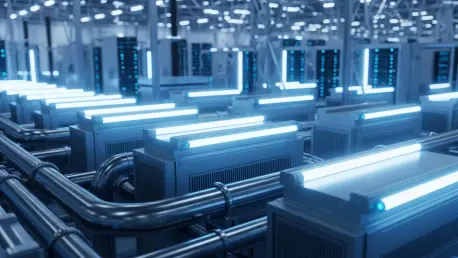
The digital revolution is currently outpacing the physical infrastructure that sustains it, creating a scenario where bits and bytes are moving faster than electrons can be delivered. As hyperscalers scramble to build out the hardware required for generative AI, they are encountering a hard reality: the traditional electrical grid was never designed to handle the concentrated, high-density loads required by modern server racks. In many jurisdictions, the load required by a single new data center can equal that of a mid-sized city, putting an immense burden on the existing high-voltage transmission networks.
This imbalance has led to a strategic rethink for both tech companies and utility regulators. The friction between the need for rapid deployment and the slow pace of grid expansion has forced a shift toward decentralized energy strategies. Instead of waiting years for a utility to build new power plants and lines, companies are beginning to realize that the most efficient way to maintain growth is to bring their own energy solutions to the table. This transition is essential for ensuring that the public does not bear the financial or operational brunt of a private-sector technology surge.
Understanding the Crisis of Capacity in the Digital Age
The expansion of data centers represents a fundamental shift in how electricity is consumed, moving from distributed residential use to massive, localized demand centers. This rapid growth has strained the existing high-voltage transmission system, leading to multi-year wait times for new interconnections across North America. In some tech hubs, the queue for a grid connection has stretched beyond five years, a timeline that is entirely incompatible with the fast-moving cycle of AI innovation. Without a change in strategy, utilities face a binary choice: delay the technological progress of their largest customers or risk grid instability.
The move toward self-generation is no longer just about backup power or emergency preparedness; it is an essential strategy for ensuring that the burden of digital growth does not degrade the reliability of the local power supply for communities. When a hyperscaler adds hundreds of megawatts to a local circuit, it can create voltage fluctuations and reduce the redundancy available for hospitals, schools, and homes. Addressing this capacity crisis requires a move away from the “grid-first” mentality toward a more diversified energy landscape where the largest consumers take responsibility for their primary power needs.
Defining the Bring Your Own Power Framework for Hybrid Energy
BYOP represents a collaborative shift from a purely centralized utility model to a hybrid approach where large-scale energy users fund and deploy their own onsite generation. This strategy is built on three core objectives: accelerating the time-to-power for new facilities, minimizing the immediate need for new transmission lines, and protecting residential rates through the “Ratepayer Protection Pledge.” This framework ensures that companies like Google and Microsoft act as “good neighbors,” investing in their own infrastructure rather than relying solely on socialized utility investments.
This shift is gaining momentum through legislative efforts like the GRID Act, which encourages large consumers to take an active role in managing their own power needs. By creating a regulatory environment that rewards self-generation, the government is helping to streamline the deployment of clean energy technologies that can sit right next to the data centers they serve. This model does not replace the utility but rather augments it, creating a more resilient and flexible power network that can adapt to the unpredictable peaks of the modern digital era.
Why Fuel Cells Are the Catalyst for Sustainable Grid Integration
While traditional supplemental power often relies on loud, high-emission diesel generators, fuel cell technology is emerging as the gold standard for BYOP applications. By generating electricity through an electrochemical process rather than combustion, fuel cells offer efficiency ratings 35% to 45% higher than conventional methods. They provide significant resource stewardship, operating without the massive water requirements of traditional power plants and producing virtually zero nitrogen oxides or particulate matter. This makes them ideal for placement in urban environments or areas with strict air quality regulations.
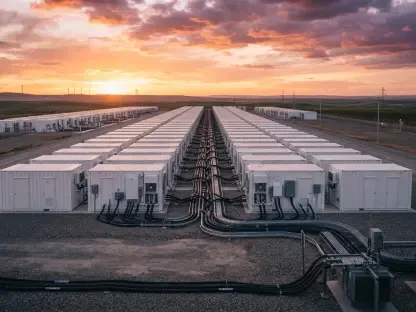
For data centers, the modular nature of fuel cells allows for precise scaling, providing the constant, high-quality power necessary for AI processing while maintaining a minimal physical footprint. Unlike solar or wind, which are intermittent and require massive battery storage to support a 24/7 data center, fuel cells provide steady “baseload” power. They can be installed in small increments and expanded as the facility grows, ensuring that the power supply perfectly matches the operational demand without wasting energy or space.
Analyzing the Utility-Hyperscaler Partnership and Economic Realities
The transition toward BYOP is redefining the relationship between utilities and large energy users, turning private assets into vital Distributed Energy Resources (DERs). Real-world applications, such as the partnership between AEP Ohio and Bloom Energy, demonstrate how fuel cells can meet the immediate needs of data centers without triggering massive infrastructure bills for the surrounding community. In these scenarios, the utility remains the primary manager of the grid, but the fuel cells provide a localized buffer that reduces the total load on the transmission system during peak hours.
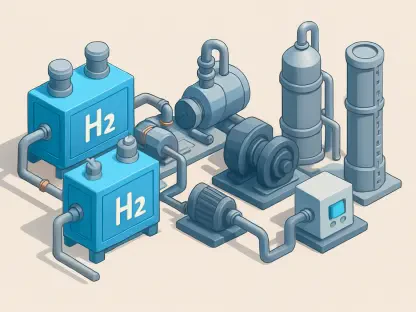
Economically, fuel cells are reaching grid parity, as the Levelized Cost of Energy (LCOE) becomes competitive when factoring in the avoided costs of transmission upgrades and potential outages. When a company avoids a three-year delay in opening a facility by generating its own power, the return on investment for fuel cell technology becomes undeniable. Furthermore, these systems are future-proofed, capable of transitioning to hydrogen or biogas blends as the green economy matures, allowing facilities to meet their sustainability goals without replacing their entire energy core.
Strategies for Implementing a BYOP Framework in Large-Scale Facilities
To successfully integrate BYOP and fuel cell technology, organizations prioritized site-specific load-density assessments to determine where onsite generation provided the most relief to the local grid. This analytical phase ensured that the deployment of new power assets targeted the most congested nodes of the electrical network. Developers coordinated with utility providers to decide between front-of-the-meter and behind-the-meter deployment, ensuring that the generation asset supported both the facility and local grid stability during peak demand. This collaborative approach transformed potential conflicts into a shared roadmap for regional energy security.
Facilities also prioritized modular fuel cell installations that allowed for incremental capacity increases, providing a flexible energy roadmap that scaled alongside digital demand. By adopting this phased approach, stakeholders managed to bypass the massive upfront costs of overbuilding infrastructure. The industry shifted toward a model where power was treated as a dynamic resource rather than a static utility connection. Ultimately, the successful deployment of these decentralized systems offered a definitive answer to the infrastructure bottlenecks that once threatened the pace of technological innovation, ensuring a stable path forward for both the tech industry and the public grid.