
The global appetite for digital infrastructure has reached a fever pitch where raw electricity is now as essential as the silicon chips it powers, creating an unprecedented vacuum for reliable energy. As artificial intelligence and hyperscale cloud computing expand, the demand for 24/7 carbon-free baseload power has placed a handful of energy producers at the epicenter of a new industrial era. Constellation Energy, currently the leading producer of carbon-free electricity in the United States, finds itself in a unique position to capitalize on this “load growth tsunami.” This analysis explores the firm’s capacity to scale its massive nuclear and gas-fired fleet to meet the exacting needs of tech giants while navigating a labyrinth of regulatory and market-driven hurdles.
The Evolution of an Energy Giant in a Shifting Landscape
The current standing of Constellation Energy is the result of a deliberate departure from the traditional, slow-growth utility model that defined the previous century. For decades, the industry prioritized incremental changes, but the sudden emergence of energy-intensive data clusters forced a pivot toward massive, independent power production. A defining moment in this transformation was the $21.8 billion acquisition of Calpine, which integrated 23 gigawatts of primarily gas-fired assets into the company’s existing nuclear-heavy portfolio. This strategic consolidation provided the necessary scale to bridge the gap between intermittent renewables and the constant demand of modern digital operations.
Navigating the Complexities of High-Demand Power Markets
Strategic Hesitation: Balancing Regulatory Risks and Client Commitments
Despite entering a substantial 5-gigawatt portfolio of new projects into the PJM Interconnection queue, the pace of development is currently tempered by a sense of strategic caution. Many potential data center operators are observing the market from the sidelines, waiting for clearer definitions regarding “colocated load” regulations. These rules determine how large consumers can bypass broader grid congestion by connecting directly to generation sites. Until the Federal Energy Regulatory Commission and regional operators finalize the “reliability backstop” auction process, Constellation is opting to delay final financial commitments on several large-scale uprates to mitigate the risk of stranded assets or unfavorable cost-sharing agreements.
Mid-Atlantic Volatility: The Escalating Price of Grid Stability
The PJM footprint remains the crown jewel of the company’s revenue stream, recently contributing $3.5 billion in power revenue in a single quarter. However, the region is grappling with significant price appreciation as the supply of reliable, dispatchable power struggles to match the rapid influx of new load. In key hubs like PJM West, day-ahead prices have seen surges of over 80 percent, reflecting a market that is increasingly tight. For data center firms, this volatility creates an urgent need for long-term bilateral agreements that lock in pricing, moving away from spot-market exposure toward more predictable, fixed-cost energy partnerships with established producers.
The Texas Frontier: Identifying the Valuation Gap in ERCOT
Market dynamics in the Electric Reliability Council of Texas (ERCOT) present a different set of challenges and opportunities, where internal projections often clash with conservative market forecasts. While many analysts predict a modest addition of up to 15,000 megawatts of new load through 2029, internal assessments suggest the actual figure could easily double. This discrepancy indicates a significant “pricing disconnect,” where the current market value of energy assets does not yet account for the scale of the impending data center expansion in the region. Companies that have already secured site infrastructure and generation capacity in Texas are likely to benefit from substantial upward price pressure as the reality of demand begins to outstrip current expectations.
The Future of Carbon-Free Power and Technological Innovation
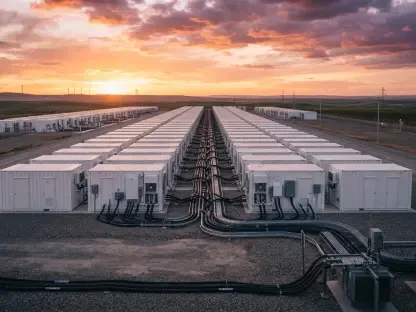
The frontier of the energy-tech alliance is increasingly defined by the resurrection of dormant assets and the deployment of advanced storage. The most striking example is the Crane Clean Energy Center—formerly known as Three Mile Island Unit 1—which is being brought back online through a historic 20-year agreement with Microsoft. This move signals a shift toward “bespoke energy solutions” where technology firms act as co-investors in national infrastructure. Beyond nuclear restarts, the industry is looking toward significant nuclear uprates and the integration of large-scale battery systems to provide a buffer against grid instability, ensuring that the digital economy remains shielded from the fluctuations of the broader energy transition.
Strategic Takeaways: Navigating the Intersection of Energy and Infrastructure
For stakeholders in both the energy and technology sectors, the primary lesson is that the digital revolution is fundamentally a physical infrastructure challenge. Organizations must prioritize the procurement of long-term power purchase agreements (PPAs) now, before the full weight of the load growth tsunami pushes market prices to unsustainable levels. Furthermore, success in this environment requires active participation in regulatory discourse, particularly regarding interconnection rights and the technicalities of direct-site load placement. Navigating the current queuing crisis in high-demand regions will require a blend of regulatory foresight and a flexible approach to geographic site selection.
Final Reflections: The Impact of the Digital Energy Convergence
Constellation Energy successfully positioned its vast generation fleet at the heart of the digital expansion, though the journey was marked by significant logistical and regulatory complexity. The company demonstrated that revitalizing existing assets, such as the Crane Clean Energy Center, offered a viable pathway to meeting the carbon-free requirements of the tech industry. Market analysts observed that the pricing volatility in PJM and the undervalued projections in ERCOT created a high-stakes environment for both producers and consumers. Ultimately, the synergy between massive baseload generation and the constant power needs of artificial intelligence redefined the standard for industrial partnerships. Moving forward, the focus shifted toward decentralized microgrids and the potential for small modular reactors to further densify energy production at the point of consumption.