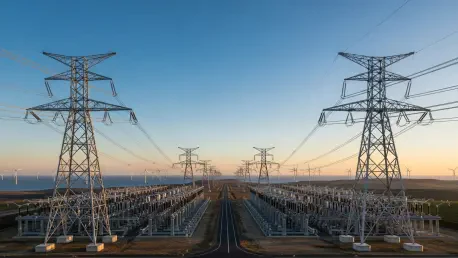

The increasing frequency of extreme weather events combined with the massive influx of intermittent renewable energy sources has pushed existing transmission infrastructures to their absolute breaking point. As global demand for electricity surges, the traditional centralized model of power generation is rapidly evolving into a complex, decentralized web that requires unprecedented levels of flexibility and resilience. Siemens Energy stands at the forefront of this transition by deploying advanced grid technologies that bridge the gap between volatile green energy production and consistent consumer demand. By integrating high-voltage direct current systems and digitalized transformer solutions, the company is effectively rewriting the rules of energy distribution. This technological shift is not merely an incremental improvement but a fundamental redesign of how electricity moves across continents. The focus remains on reducing transmission losses while ensuring that the grid can withstand the unpredictable nature of solar and wind inputs. Through the implementation of modular multisensor platforms and autonomous control systems, the company ensures that utilities can monitor grid health in real-time.
Grid Modernization: Integrating High-Voltage Direct Current Systems
High-voltage direct current technology serves as the primary backbone for long-distance energy transport, especially when connecting remote offshore wind farms to industrial centers inland. Siemens Energy has refined its HVDC Plus technology using voltage-sourced converters that provide a highly stable and controllable flow of electricity across thousands of miles. Unlike traditional alternating current lines, these direct current systems experience significantly lower energy losses, making them the most efficient choice for international power corridors. Recent projects involving bipole configurations have demonstrated an ability to transmit several gigawatts of power with minimal footprint and maximum reliability. This efficiency is critical for the success of green energy initiatives in North America and Europe, where the physical distance between generation and consumption remains a hurdle. By utilizing modular multilevel converter technology, engineers ensure that even if one component fails, the system continues to operate at a high capacity. This redundancy is vital for maintaining the stability of the modern electrified economy and supporting the rapid expansion of electric vehicle charging networks and industrial heat pumps across the globe.
The path toward a fully modernized global power grid necessitated a shift in focus from simple expansion to intelligent and sustainable integration. Stakeholders prioritized the adoption of HVDC corridors to facilitate the movement of renewable energy across vast distances without the prohibitive losses seen in older systems. It became clear that the digitalization of hardware, particularly through the use of Sensformer and Sensgear technologies, provided the necessary transparency for operators to manage volatile energy markets. Decision-makers successfully implemented SF6-free alternatives, which decoupled grid reliability from environmental risk and set a new standard for responsibility. These advancements collectively ensured that the infrastructure remained robust enough to handle the complete electrification of the transport and heating sectors. Moving forward, the emphasis remained on fostering international cooperation to build a truly globalized energy market. By investing in these foundational technologies, societies secured a more stable and carbon-neutral future. The transition proved that technical innovation, when paired with strategic policy, could turn the challenge of climate change into an opportunity for global industrial renewal.