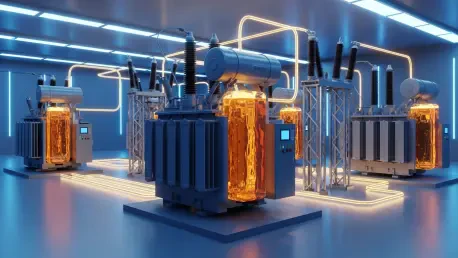

The rapid urbanization of Bengaluru and other industrial hubs across Karnataka has placed an unprecedented strain on the state’s electrical infrastructure, leading to frequent transformer failures and significant safety concerns in densely populated areas. As electricity demand surges from 2026 to 2030, traditional mineral oil-based transformers are increasingly viewed as a liability due to their inherent flammability and potential for environmental contamination during leaks. Moving away from petroleum-based coolants toward natural ester oils, derived from renewable vegetable seeds like soybeans or rapeseed, represents a fundamental shift in how utility companies approach grid resilience. This transition is not merely a preference for sustainable technology but a strategic necessity for enhancing the fire safety profile of urban substations. By utilizing fluids with flash points significantly higher than conventional oils, Karnataka’s power distribution companies can mitigate the risk of catastrophic fires that threaten both lives and property.
Enhancing Safety: The Technical Case for Bio-Based Insulation
The chemical composition of natural ester fluids provides a distinct advantage in managing the thermal stresses that occur during peak load periods in aging distribution networks. Unlike traditional mineral oil, which has a fire point of approximately 170 degrees Celsius, natural esters possess a fire point exceeding 350 degrees Celsius, virtually eliminating the risk of tank explosions or self-sustaining fires. This high thermal stability allows transformers to operate at higher temperatures without accelerating the degradation of the internal cellulose insulation, effectively extending the lifespan of the equipment by several years. Furthermore, natural esters exhibit a unique moisture-wicking property, absorbing water from the paper insulation and keeping the core dry, which prevents the dielectric breakdowns that often plague the grid during the heavy monsoon seasons. This capability is particularly critical for the Karnataka Power Transmission Corporation, as it seeks to reduce maintenance costs and improve the reliability of power delivery to high-density residential zones where space for fire-suppression equipment is limited.
Sustainable Scalability: Implementing Green Solutions for Future Growth
The state’s transition toward a more sustainable energy model relied heavily on the successful integration of biodegradable insulating fluids within both new and refurbished power assets. Authorities recognized that the environmental risks associated with mineral oil spills near water bodies or fertile agricultural land necessitated a shift toward non-toxic, readily biodegradable alternatives. By adopting these natural esters, Karnataka significantly lowered its carbon footprint while simultaneously improving the operational safety of its vast distribution network. Moving forward, utility planners focused on retro-filling existing transformers with ester-based fluids as a cost-effective method to modernize the grid without requiring a total replacement of infrastructure. Future strategies emphasized the standardization of procurement policies to favor bio-based solutions, ensuring that all new installations met rigorous environmental and safety benchmarks. This proactive approach provided a blueprint for other regions to follow, demonstrating that technological upgrades could balance industrial efficiency with ecological stewardship.