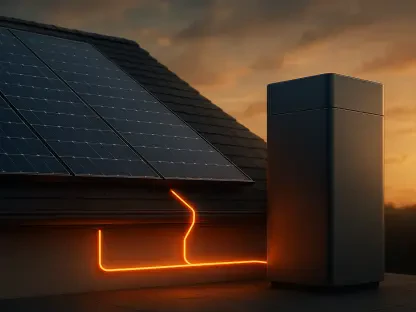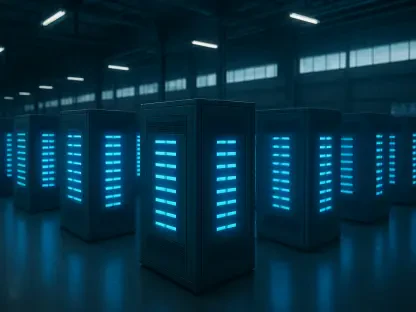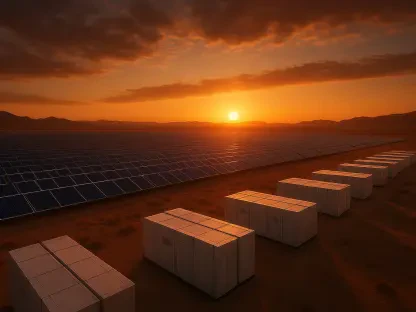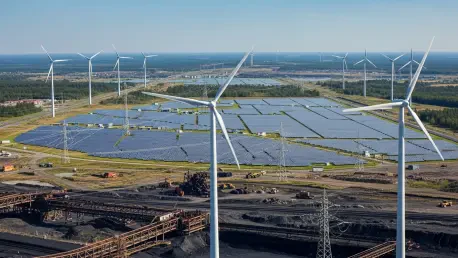

Deep within the industrial corridors of the Garden State, the hulking remains of iron and concrete that once burned tons of coal are finding a second life as the heartbeat of a modern, carbon-free electrical grid. New Jersey’s skyline, once defined by the thick plumes of smokestacks, is undergoing a quiet but radical transformation. Instead of simply demolishing the remnants of the fossil fuel era, the state is beginning to treat these defunct industrial hubs as the most valuable real estate in the clean energy transition. By injecting massive battery arrays into the footprints of old generators, the state is proving that the infrastructure of the past can serve as the backbone of a renewable future.
This shift represents more than just an architectural makeover; it is a calculated response to the logistical nightmare of modernizing an aging power system. As urban centers demand more electricity, the challenge of finding space for new technology becomes acute. The “last mile” of the energy transition requires locating power sources near existing demand centers without triggering years of litigation or environmental reviews. By repurposing legacy sites, New Jersey is effectively bypassing the red tape that often stalls green initiatives, turning the ghosts of the industrial revolution into silent guardians of grid stability.
The Strategic Necessity: Repurposing Brownfield Sites
The push to decarbonize the grid often faces a significant bottleneck: finding land that is already physically connected to the power lines. As New Jersey aims for 1 GW of storage capacity this year and 2 GW by 2030, the hurdles of building new substations and high-voltage transmission lines are immense. Repurposing retired fossil fuel sites eliminates these obstacles, allowing developers to plug clean technology directly into existing high-voltage connections. This approach speeds up deployment while revitalizing “brownfield” land that might otherwise sit dormant, providing no economic value to the surrounding community.
Moreover, utilizing these sites addresses the inherent variability of renewable energy sources like wind and solar. Because these locations already possess the robust electrical infrastructure needed to handle massive loads, they are ideal candidates for large-scale battery storage. This strategy minimizes the need for disruptive new construction across the state’s remaining open spaces. Instead of carving out new land, the energy industry is looking inward, maximizing the utility of every acre that has already been industrialized.
Case Studies: From Coal to Megawatts
The shift from fossil fuels to storage is moving rapidly from policy theory to tangible practice through major utility-scale projects. Jupiter Power is currently leading the charge with its Woods Landing project, which transforms a defunct coal-fired plant into a 200-MW storage facility. This project replaces a former source of heavy emissions with a sophisticated tool for grid stability, effectively cleaning the air while strengthening the wires. It serves as a literal transition from the dirtiest forms of energy production to the cleanest forms of energy management.
Similarly, the Two Rivers initiative by Elevate Renewables demonstrates a hybrid approach to the transition. By integrating a 150-MW project into the active Bergen Generating Station, developers are showing how clean storage can coexist with traditional gas power before eventually replacing it. This trend in New Jersey mirrors aggressive incentive programs currently seen in New York and Massachusetts. Together, these states are creating a regional domino effect, signaling a broader Northeast strategy to stabilize the PJM Interconnection and ensure that energy remains reliable during the most demanding seasons.
Economic Impacts: Policy-Driven Reliability
The New Jersey Board of Public Utilities (BPU) suggests that these storage incentives are as much about the economy as they are about the environment. Projections indicate that large-scale storage projects will save New Jersey ratepayers over $169 million by moderating electricity prices during peak demand. When the sun sets or the wind dies down, these batteries discharge stored energy, preventing the price spikes that typically occur when the grid is stressed. This financial “floor” ensures that the transition to green energy does not come at the expense of the average consumer’s wallet.
By timing storage procurement with PJM capacity auctions, the state ensures these projects remain financially viable and attractive to private investors. Beyond just batteries, the BPU is launching a 3,000-MW community solar auction, the largest in state history. This expansion ensures that the benefits of clean power are accessible to all residents, including those who live in apartments or homes unsuitable for individual rooftop panels. It is a comprehensive effort to democratize the energy grid while maintaining the rigorous standards required for industrial reliability.
A Blueprint: Integrating Storage and Renewables
For developers looking to replicate this success, the state provides a clear framework for the energy transition. The first step involves identifying legacy assets, such as retired peaking plants or industrial brownfields, to bypass the years of transmission studies usually required for new connections. This allows for a much faster “plug-and-play” model of development. Utilizing programs like the Garden State Energy Storage Program (GSESP) provides the necessary financial stability for standalone and solar-plus-storage projects to thrive in a competitive market.
Ultimately, the goal is to scale these efforts through expanded community solar mandates, ensuring that stored energy is distributed equitably across the local grid. New Jersey’s model proved that the most efficient way to build the future was to build it on the foundations of the past. By leveraging existing interconnection agreements and focused state incentives, the transition moved beyond symbolic gestures into a massive logistical reality. Policymakers and engineers successfully turned the relics of the 20th century into the vital organs of a sustainable, 21st-century economy.