
The exponential growth of large language models and neural networks has created an unprecedented surge in electricity consumption that threatens to outpace existing grid capacity across major technological hubs. As data center operators scramble to secure reliable power sources, the recent announcement of a three hundred sixty-five million dollar investment by Nextpower signifies a pivotal moment in the intersection of high-stakes finance and sustainable energy. This infusion of capital aims to address the widening gap between the compute power required for advanced artificial intelligence and the renewable energy infrastructure available to sustain such operations. While the industry has long discussed the theoretical transition to green energy, the scale of this particular deal suggests a shift toward aggressive, large-scale implementation. The tension between rapid technological advancement and environmental responsibility has reached a critical point, forcing a total reconsideration of how digital infrastructure is powered in 2026.
Strategic Investments: Financing the Green Energy Transition
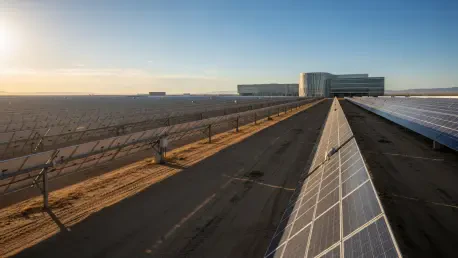
The specific allocation of these funds targets the acquisition and development of solar assets designed to feed directly into the high-voltage lines serving major server clusters. Unlike fragmented residential solar initiatives, this three hundred sixty-five million dollar commitment focuses on concentrated utility-scale projects that can provide the sheer volume of megawatt-hours required by modern cooling systems and specialized processor arrays. These projects are strategically located in regions where sun exposure is maximized and regulatory environments favor rapid grid interconnection. This approach minimizes the transmission losses that often plague remote renewable sites, ensuring that the energy produced is used efficiently by the nearby data centers. Furthermore, the investment includes provisions for advanced power purchase agreements that guarantee fixed pricing for tech giants, shielding them from the volatility of traditional energy markets for their twenty-four-hour operations.
The broader implications of this deal extend beyond immediate power generation, as it signals a growing confidence among institutional investors in the long-term viability of renewable energy for industrial applications. Historically, the intermittent nature of solar power was viewed as a hurdle for the non-stop operations of high-performance computing, but the integration of sophisticated monitoring software and load-balancing algorithms has changed that perception. Tech companies are now looking for partners who can deliver not just raw electricity, but a sophisticated energy ecosystem that aligns with the complex thermal profiles of their hardware. This investment by Nextpower reflects a sophisticated understanding of these technical requirements, moving away from simple asset ownership toward active infrastructure partnership. As more capital flows into this sector, the cost of specialized renewable components is expected to decrease, creating a feedback loop that benefits the entire global economy.
Operational Sustainability: Bridging the Gap in Grid Capacity
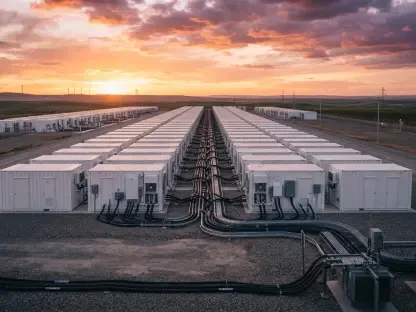
Managing the inherent variability of solar output remains a significant technical challenge for any energy provider attempting to support the relentless demand of artificial intelligence workloads. To mitigate the risk of downtime, Nextpower has integrated advanced energy storage systems into their project portfolio, allowing excess energy captured during peak daylight hours to be deployed during the evening. This strategy effectively smooths the supply curve, providing a more consistent and reliable flow of electricity that matches the steady-state power requirements of massive server halls. The deployment of long-duration battery technologies and kinetic storage solutions represents a major step forward in making solar power a primary, rather than secondary, source for critical infrastructure. Moreover, the use of predictive AI models to forecast weather patterns and grid demand has allowed for more precise management of these stored reserves for consistent and clean power delivery.
The strategic deployment of the three hundred sixty-five million dollar fund demonstrated that large-scale renewable projects were the only viable path forward for sustaining the current trajectory of digital growth. Stakeholders recognized that the era of relying on antiquated grid structures had ended, necessitating a move toward decentralized and dedicated green energy corridors. Moving forward, data center developers prioritized site selection based on proximity to high-capacity renewable assets rather than traditional fiber hubs alone. This shift forced a reevaluation of metropolitan planning, as regional governments began to incentivize the co-location of solar arrays and server farms to reduce strain on public utilities. Engineers also implemented more aggressive hardware efficiency standards to ensure that every watt of green energy provided by Nextpower and similar entities was utilized to its maximum potential for a sustainable digital future through the late 2020s.