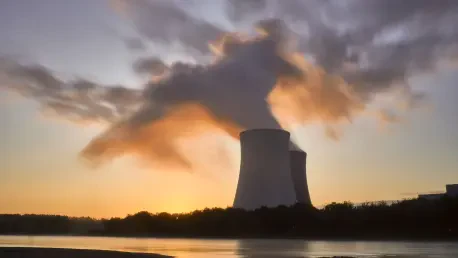

The maintenance and modernization of nuclear reactors require significant and ongoing investment to ensure long-term reliability for the nation’s energy infrastructure. This reality has placed providers like Constellation Energy at the forefront of a major shift in the American equity market, where traditional utility companies are being re-evaluated as essential high-tech infrastructure partners. As the largest operator of nuclear power plants in the United States, the firm has moved beyond its historical role to become a central figure for investors who are tracking the massive energy requirements of artificial intelligence and high-density computing. The current financial climate is defined by a search for stability within high-growth sectors, and as semiconductors and AI software reach new heights of processing power, the necessity for a massive, reliable physical foundation has become impossible to ignore. This transition reflects a broader realization that the digital economy cannot expand without a stable energy supply that operates independently of weather conditions or time of day.
The Critical Role of Baseload Power
Nuclear Energy as a Strategic Asset
The power-generation landscape is currently undergoing a structural transformation that prioritizes assets capable of offering high capacity and zero emissions without sacrificing the consistency of the grid. Nuclear operators occupy a unique position in this new hierarchy because their reactors provide what is known as baseload electricity, which is the minimum amount of electric power that must be supplied to the grid at all times. Unlike solar or wind energy, which are inherently intermittent and subject to daily weather patterns, nuclear plants operate at maximum capacity for months at a time without interruption. This unwavering output is essential for modern industries that operate on a global scale and cannot afford even a millisecond of downtime. By providing this consistent flow, nuclear facilities have effectively transformed electricity from a standard commodity into a high-value strategic asset that underpins the reliability of the entire national economy.
Data centers, which serve as the physical engines of the ongoing artificial intelligence revolution, are the primary drivers of this renewed demand for steady, predictable power. These massive facilities require immense amounts of electricity not only to run the thousands of servers processing complex algorithms but also to power the sophisticated cooling systems that prevent hardware from overheating. Constellation’s massive carbon-free fleet allows it to meet these heavy loads at a scale that few other providers can match in the current market. This capability has positioned nuclear power as the preferred energy source for the world’s most advanced computing hubs, ensuring that the digital world remains functional as it expands. As the technology sector looks toward the next phase of growth, the ability to secure a dedicated, carbon-free energy source has become a competitive advantage for firms looking to scale their AI operations without increasing their environmental footprint.
Operational Excellence and Capacity Growth
Maintaining a vast and complex network of nuclear reactors requires a high degree of engineering precision and a strategic approach to geographic diversity. By spreading its assets across multiple American regions, a major operator like Constellation mitigates the risks associated with localized grid failures, regional regulatory changes, or extreme weather events that might affect one specific area. This extensive footprint allows the company to provide a steady output cadence that serves both the general public and specialized industrial clients simultaneously, maintaining a balance between civic responsibility and commercial growth. This level of operational stability is highly prized in an era of increasing energy volatility, where the sudden loss of power can result in billions of dollars in lost productivity. The geographic spread also facilitates better integration into regional wholesale markets, allowing for more efficient power distribution.
Beyond the routine maintenance of existing facilities, the strategy for future-proofing the grid involves squeezing more value out of current infrastructure through a process known as uprating. This involves upgrading various components of a nuclear plant, such as turbines and high-pressure valves, to increase the maximum power level at which a reactor can safely operate. Uprating provides a cost-effective way to boost total energy capacity without the decade-long wait times and multi-billion-dollar price tags required to build entirely new facilities from scratch. Additionally, seeking license extensions for existing reactors ensures that these carbon-free assets can continue to operate for decades beyond their original design life. These proactive measures ensure that the energy sector can meet rising demand while maintaining strict standards for safety and efficiency, reinforcing the long-term viability of the nuclear fleet in a rapidly changing technological landscape.
Meeting the Demands of the Tech Sector
The Evolution of Modern Energy Contracts
The rapid build-out of data centers has necessitated a complete rethinking of how electricity is bought, sold, and distributed across the grid. We are currently seeing a significant shift toward long-term, direct supply arrangements between energy generators and technology giants, often referred to as behind-the-meter or co-located power deals. In these partnerships, the utility is no longer just a distant vendor but a strategic collaborator that provides a dedicated stream of energy directly to the client’s facility. These agreements provide data center operators with the price certainty and volume they need to scale their massive operations over a ten or twenty-year horizon. For the power producers, these contracts offer a predictable and steady stream of revenue that is less sensitive to the fluctuations of the daily wholesale electricity market, allowing for better long-term capital planning.
This trend is also heavily influenced by the aggressive sustainability commitments made by the world’s leading technology firms, which are under pressure from both consumers and regulators to reduce their carbon emissions. Most major players have pledged to reach carbon-neutral or even carbon-free status within the next few years, yet they cannot sacrifice the 24/7 reliability required to keep their servers running. Since nuclear power is currently the only proven technology capable of providing carbon-free electricity on a massive, continuous scale, it has become the natural choice for these corporate green initiatives. This synergy has placed nuclear energy at the heart of the AI boom, offering a clean and reliable path to technological progress that aligns with environmental goals. The result is a new era of energy procurement where the carbon profile of the power is just as important as the cost.
Market Sentiment and Earnings Visibility
As major market indices hover near record highs, investors are increasingly looking for bellwether names that represent the underlying health of essential infrastructure. Constellation Energy has assumed this role for the utilities group, acting as a barometer for the entire sector’s ability to adapt to the digital age. While the software and hardware sides of the AI trade often experience high volatility driven by hype cycles and product launches, the physical infrastructure side offers a more grounded and resilient investment profile. The company’s presence in major benchmarks like the S&P 500 further solidifies its status as a core holding for institutional investors who want to capitalize on the electrification of the economy without the extreme risks associated with early-stage tech startups. This stability makes nuclear energy a cornerstone of modern portfolio management.
The financial appeal of this sector lies primarily in its earnings visibility, which is anchored by the aforementioned long-term contracts with creditworthy technology firms. In periods of broader market uncertainty or economic cooling, the guaranteed demand from data centers provides a substantial buffer against revenue fluctuations. Investors have begun to realize that the ultimate success of the tech sector is inextricably linked to the capacity and stability of the power grid, turning electricity into a proxy for tech growth. As a result, whenever there is significant news regarding increased data processing needs or the development of more powerful AI models, the market instinctively looks toward established nuclear leaders to gauge future potential. This shift in sentiment has elevated the utility sector from a defensive play to a strategic growth engine that powers the modern digital landscape.
Navigating the Future of the Grid
Electrification and Broad Economic Shifts
The demand for nuclear power is not solely driven by the expansion of data centers; it is also fueled by a wider societal shift toward the electrification of nearly every aspect of modern life. From the accelerating rise of electric vehicles to the massive decarbonization efforts in industrial heating and manufacturing, the strain on the national power grid is increasing at a rate not seen in decades. Constellation’s business model is perfectly aligned with these trends, as it provides the clean, high-volume energy required to support a modern, electrified society. This creates a virtuous cycle where ambitious sustainability goals drive further investment in nuclear reliability, which in turn enables more industries to transition away from fossil fuels. The growth of the grid is no longer just about adding more capacity; it is about adding the right kind of capacity that can support a zero-carbon future.
By leaning into its identity as a carbon-free generator, the company attracts high-value customers who are under immense pressure to reduce their environmental footprint while maintaining operational efficiency. This positioning allows the firm to capitalize on both the immediate, high-margin needs of the tech sector and the long-term, systemic transition of the global economy toward electricity. The result is a business that feels both traditional in its industrial strength and modern in its environmental standards, bridging the gap between old-world utility management and new-world climate solutions. This dual appeal makes nuclear operators standout performers in the broader energy sector, as they offer a solution that satisfies both economic and environmental requirements. As the electrification trend continues to gain momentum, the importance of a stable nuclear foundation will only become more apparent to policymakers and corporate leaders alike.
Managing Risks and Competition
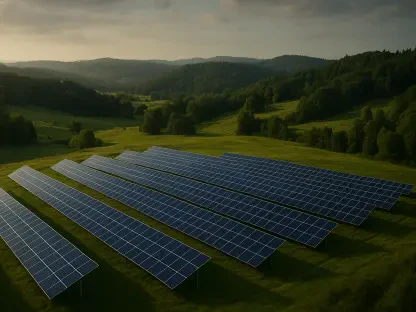
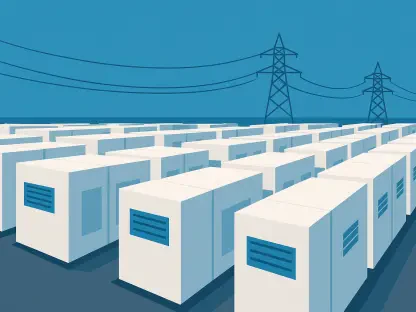
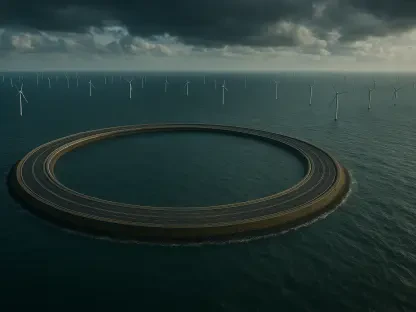
Despite its current dominance in the clean energy space, the nuclear industry is not without its significant challenges, as it remains one of the most capital-intensive sectors in the global economy. Modernizing and maintaining aging reactors requires a constant stream of investment and a deep understanding of complex regulatory environments that vary significantly from one state to another. Furthermore, the company must stay vigilant as battery storage technologies and renewable energy efficiency continue to improve, which could eventually challenge the traditional baseload advantage that nuclear power currently enjoys. Managing these high operational costs while maintaining strict output discipline is essential for staying ahead of the competition and ensuring that nuclear power remains economically viable compared to natural gas or subsidized renewables.
The competitive landscape is also tightening as other independent power producers and diversified utilities vie for a piece of the lucrative data-center market. However, the sheer scale and established safety record of a major nuclear fleet create a competitive moat that is incredibly difficult for newcomers or smaller players to replicate. The barriers to entry in the nuclear space—ranging from federal licensing requirements to the specialized workforce needed to run the plants—remain high, providing a level of protection against sudden market disruptions. By balancing generation discipline with strategic growth through uprates and partnerships, the industry’s leaders have continued to defend their position as the backbone of the American grid. Navigating these risks requires a long-term perspective that prioritizes safety and reliability over short-term gains, a philosophy that has defined the most successful operators in the field.
A Global Reference Point for Energy
The success of American nuclear energy serves as a vital template for the rest of the world as nations grapple with the energy trilemma of security, affordability, and decarbonization. As global interest in nuclear power resurges from Europe to Asia, the performance and operational strategies of top-tier US operators are viewed as a proxy for the industry’s overall health and potential for innovation. When the global AI trade moves beyond the design of chips and into the physical layer of the economy, these infrastructure companies are often the first to benefit from international interest. This gives them a relevance that extends far beyond domestic borders, as they represent a proven model for integrating heavy industrial assets into a high-growth, technology-driven economy.
Ultimately, nuclear energy has solidified its place as an indispensable partner for the technology firms that are building the digital tools of the next decade. By providing a steady, clean, and massive output, it acts as the literal foundation for the digital age, ensuring that the cloud is powered by something more substantial than intermittent wind or sun. While the path forward involves navigating complex capital hurdles and a shifting regulatory landscape, the strategic focus on reliability and long-term supply ensures that nuclear power will remain the anchor of the global energy conversation. As the world becomes increasingly dependent on artificial intelligence for everything from medical research to logistics, the role of these reactors as a bridge to the digital frontier has grown more significant.
Strategic Investments and Grid Resilience
The previous two years demonstrated that the integration of nuclear power into the high-tech sector provided a blueprint for sustainable industrial growth. Policymakers and industry leaders moved beyond theoretical discussions and implemented concrete strategies to secure the nation’s energy future. The focus shifted toward the deployment of small modular reactors alongside the life extension of existing large-scale plants, creating a multi-tiered approach to grid stability. This movement was characterized by a massive influx of private capital into nuclear infrastructure, as technology firms sought to hedge against future energy price volatility by investing directly in generation assets. The alignment of corporate sustainability goals with the operational realities of nuclear energy proved to be a decisive factor in maintaining the pace of AI innovation.
Looking ahead, the priority for the industry must remain on the expansion of transmission infrastructure to ensure that this carbon-free power can reach emerging tech hubs across the country. Stakeholders should pursue streamlined permitting processes that allow for faster uprating of existing reactors while maintaining the highest safety standards. Additionally, the development of a localized supply chain for nuclear fuel and components will be essential to mitigate global geopolitical risks. As the digital and physical worlds continue to converge, the maintenance of a robust nuclear fleet served as the primary safeguard for economic competitiveness. The actions taken during this period established a foundation that allowed the United States to lead the global transition toward a high-tech, low-carbon future.