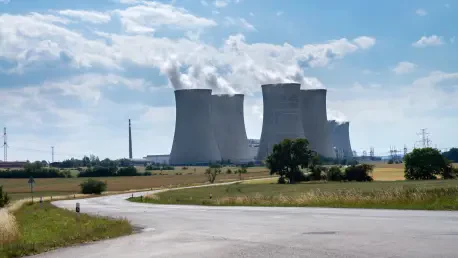

The province of Quebec stands at a pivotal energy crossroads as it grapples with an appetite for electricity that is expanding at an unprecedented rate, necessitating a complete reevaluation of its infrastructure. Hydro-Québec has decided to sidestep the federal government’s nuclear revitalization push by officially excluding new reactors from its energy expansion strategy through 2041. This strategic pivot comes at a time when the federal leadership in Ottawa is increasingly championing small modular reactors as the cornerstone of Canada’s net-zero ambitions. However, the provincial utility is prioritizing its historical strength in hydroelectricity while adopting a “wait-and-see” approach toward more controversial energy sources. By focusing on a roadmap that spans the next fifteen years, the utility aims to address a projected 60 terawatt-hour surge in consumption—a staggering volume that represents roughly one-third of the current total provincial usage. This requires a focus on scalability and reliability over experimental endeavors.
Strategic Priorities and Technological Caution
The Choice of Proven Infrastructure over Innovation
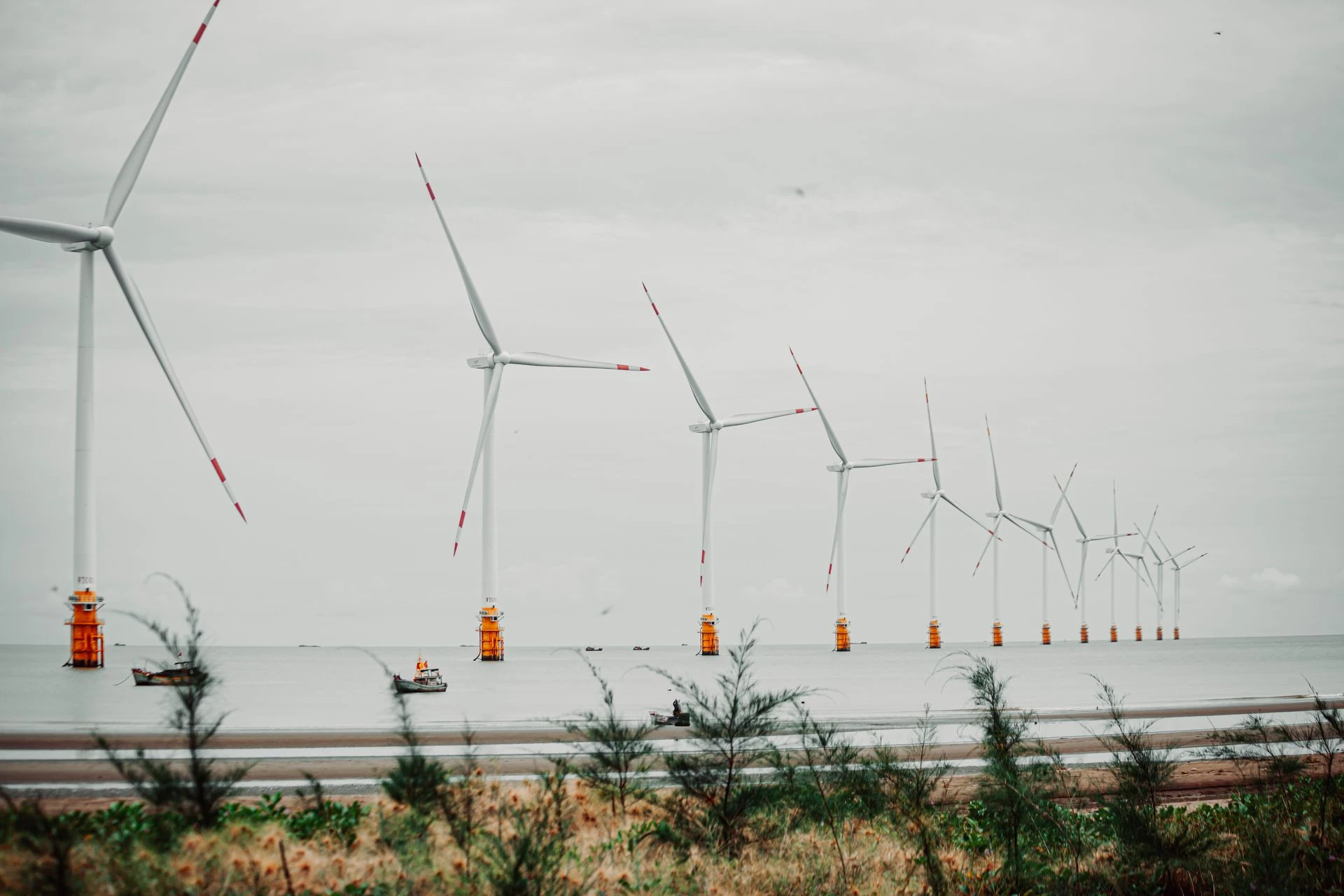
Executive leadership at Hydro-Québec has made it clear that the organization prefers to watch from the sidelines as other jurisdictions navigate the complexities of next-generation nuclear deployment. This conservative stance is not merely a rejection of technology but a calculated move to avoid the financial and technical stumbling blocks that often plague first-of-a-kind energy projects. While provinces like Ontario and Saskatchewan move forward with aggressive nuclear roadmaps, Quebec is doubling down on its existing hydroelectric assets and wind power integration. The utility intends to leverage its massive dam systems as a natural battery, providing the baseline stability required to integrate more intermittent renewable sources. By sidestepping nuclear for the current planning cycle, the company avoids the high capital risks and lengthy regulatory hurdles associated with reactor construction, ensuring that its immediate investments are channeled into projects with predictable timelines and established cost structures.
Managing Long-Term Risks and Public Sentiment
Despite the firm exclusion of nuclear power from the 2027 to 2041 window, the utility has not permanently shuttered the possibility of utilizing this energy source in the distant future. The strategy acknowledges that full decarbonization of the industrial sector may eventually require the high-density energy output that only nuclear can provide. However, significant social and environmental hurdles remain, particularly regarding the long-term management of radioactive waste and lingering public skepticism across various regions of the province. Hydro-Québec is choosing to let the global market mature, observing how other nations solve the puzzle of nuclear waste storage and cost overruns before committing provincial capital. This approach allows for a more flexible response to shifting technological landscapes while maintaining a focus on the immediate goal of adding 24,000 megawatts of capacity through less contentious means, ensuring agility if and when the technology becomes socially viable and safe.
Operational Challenges and Long-Term Stability
Addressing the Drivers of Energy Consumption
The urgency of this expansion is driven by a convergence of technological trends that are fundamentally altering the energy landscape. Rapid advancements in artificial intelligence have led to a proliferation of energy-intensive data centers, which require a massive, constant supply of electricity. Simultaneously, the heavy industrial sector is undergoing a profound transition away from fossil fuels, swapping traditional combustion processes for electric alternatives to meet strict emissions targets. This shift is particularly evident in the manufacturing and mining sectors, where the push for green steel has created a surge in demand that was largely unforeseen. As these industries expand their footprint, the utility must ensure that the grid can support localized high-density loads without compromising overall stability. This necessitates a rapid scaling of production that prioritizes speed and reliability, bridging a supply-demand gap that is projected to emerge as early as 2029 for many sectors.
Navigating Climate Volatility and Grid Resilience
The development of the 2027 to 2041 supply plan demonstrated a commitment to balancing aggressive growth with a pragmatic assessment of technological risks. Officials recognized that while hydroelectricity remained the backbone of the system, the sheer scale of the required expansion necessitated a massive infusion of capital and a streamlined regulatory environment. The final version of the supply plan served as a blueprint for a future where energy security was achieved through a mix of conservation, regional trade, and a relentless focus on proven renewable technologies. Stakeholders emphasized that for this plan to succeed, the utility had to move beyond mere generation and focus on comprehensive grid modernization. This involved deploying smart-grid technologies that could better manage decentralized energy sources, such as rooftop solar and local battery storage. By prioritizing these modernization efforts, the utility sought to create a more resilient energy ecosystem that could adapt to the needs of a digital economy.