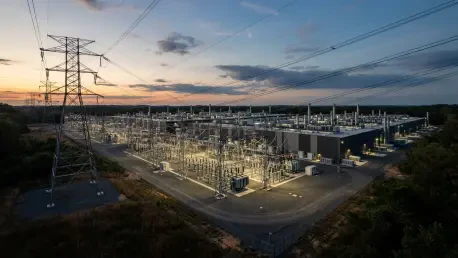

Beneath the sleek, glass-fronted surfaces of modern technological progress lies a massive and increasingly problematic hunger for the raw electrical current required to drive the artificial intelligence revolution toward its next frontier. While the digital world often presents itself as a weightless environment of cloud computing and seamless connectivity, the physical infrastructure supporting this race is exerting a tangible and heavy strain on the American electrical grid. Tech giants are currently engaged in a frantic competition to construct massive data clusters, but they have encountered a formidable obstacle: an aging energy network that simply cannot keep pace with a thirst for power that grows by the day. As the demand for electricity reaches unprecedented levels, a new legislative battleground has materialized in Washington. The Bipartisan American Affordability and Jobs Act (BAAJA) represents a significant attempt to resolve this crisis by fundamentally rewriting the rules regarding who pays for the expansion of the grid, potentially forcing the wealthiest corporations in the world to subsidize the monthly utility bills of average American families.
The High Cost of Powering the Artificial Intelligence Revolution
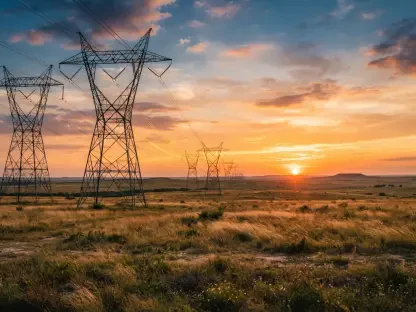
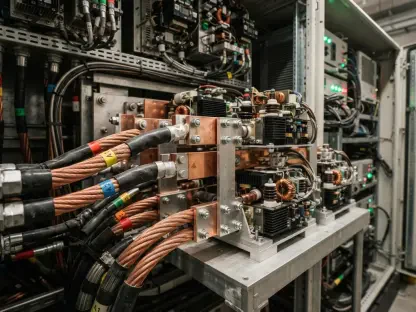
The promise of artificial intelligence relies on a physical foundation of silicon and copper that is increasingly at odds with the localized availability of electrons. Tech giants have committed billions of dollars to expanding their digital footprints, yet these expansions face a bottleneck characterized by aging transformers and overloaded transmission lines. The sheer scale of these projects is difficult to overstate; a single modern data center can require as much power as a mid-sized city, and the cumulative demand is threatening to destabilize regional energy markets. This surge in consumption has transformed energy from a background utility into a primary strategic resource, leading to a situation where the success of the AI revolution is directly tied to the resilience of the nation’s power cables.
The Bipartisan American Affordability and Jobs Act emerges as a direct response to this infrastructure deficit. For the tech sector, the struggle is no longer just about acquiring the latest chips, but about securing a reliable connection to a grid that was never designed for this level of concentration. Consequently, the federal government is intervening to ensure that the rapid expansion of data centers does not leave the domestic energy supply in a state of perpetual shortage. The bill proposes a paradigm shift where the costs of modernization are reallocated, signaling that the era of cheap, readily available power for industrial-scale computing may be coming to a close in favor of a more managed and expensive reality.
Why Energy Infrastructure Reform Has Become a National Priority
For decades, the United States power grid operated under a predictable growth model that allowed for steady investment and stable prices for most consumers. However, the sudden explosion of high-performance computing has rendered old projections obsolete, creating a perfect storm of energy challenges that connect high-tech chips to household budgets. This transition is a matter of national priority because the massive investments required to upgrade transmission lines and build new power plants often trickle down to residential ratepayers. Without a clear legislative framework, the average citizen risks being forced to foot the bill for the infrastructure necessary to power the very AI tools that may eventually disrupt their own industries.
Public sentiment has shifted noticeably against the uninhibited construction of data centers, largely due to concerns over rising costs and the depletion of local resources. In various regions, residents have begun to view these massive facilities not as symbols of progress, but as resource-intensive neighbors that drive up local electricity rates and consume vast amounts of water for cooling. This growing opposition has placed the federal government under immense pressure to act. The BAAJA is designed to ensure that the tech boom remains a driver of economic growth rather than a financial burden for the working class, addressing the anxiety of voters who fear that their utility bills will soar to accommodate the needs of silicon valley.
Breaking Down the BAAJA New Financial Model for Big Tech
The proposed legislation seeks to dismantle thirty years of federal energy precedent to create a more equitable funding structure for the modern era. Historically, the Federal Energy Regulatory Commission (FERC) operated under policies designed to prevent “double charging,” which meant that new large-scale energy users were only required to pay for either the maintenance of the existing grid or the cost of new expansions. The BAAJA would eliminate this specific protection for data centers and cryptocurrency miners with loads exceeding 20 megawatts. These entities would be classified as a less favorable customer class, effectively requiring them to cover both embedded and incremental costs, thereby ending the period of subsidized grid access for industrial-scale technology users.
To maintain a social license to operate, major players like Google, Meta, and Microsoft are considering a strategic compromise known as the Ratepayer Protection Pledge. Through this initiative, these companies are signaling a willingness to pay a surplus—essentially a voluntary tech tax—on their energy consumption. This additional revenue would be earmarked specifically to lower residential and small business rates, transforming data centers from perceived drains on local resources into financial anchors for community energy stability. By accepting these higher costs, the tech industry hopes to mitigate public backlash and ensure that their presence in a community is seen as a financial benefit rather than a liability.
One of the most significant mechanics of the bill is the inclusion of strict liability clauses for utilities and their industrial clients. Under this new framework, data centers would remain financially responsible for the capital costs of infrastructure projects even if they close their doors or terminate their contracts early. This prevents a scenario where a “ghost” data center leaves local residents on the hook for billions of dollars in stranded infrastructure costs. This shift in long-term financial risk to private industry ensures that the public is not left carrying the debt of a failed or relocated enterprise, providing a necessary safeguard for municipal and state budgets.
Expert Perspectives on the “Grand Bargain” for Speed
Industry analysts and legislative experts view the BAAJA as a calculated trade-off between financial expenditure and operational velocity. For hyperscalers, the most expensive factor in the AI race is not the price per kilowatt-hour, but the cost of delay. Industry groups like the Corporate Energy Buyers Association suggest that companies are willing to accept higher surcharges if the bill successfully streamlines the sluggish permitting process. By funding the grid expansion themselves, tech companies hope to bypass the years of bureaucratic red tape that currently stall the deployment of vital AI clusters, essentially paying a premium to move to the front of the line.
However, energy experts warn that if the financial burden becomes too punitive, it could trigger an over-correction where data centers decouple from the public grid entirely. A trend is already emerging where companies utilize dedicated gas turbines and diesel generators to power their sites independently. This exit from the public system poses a dual threat: it removes a massive source of private investment that could have modernized the public grid, and it potentially increases local carbon emissions through uncoordinated generation. Balancing the need for tech companies to pay their fair share with the need to keep them integrated into the national grid is the central challenge for regulators moving forward.
Frameworks for Implementing Sustainable Grid Integration
To successfully navigate this transition, the BAAJA provides a comprehensive roadmap for how states and regulators can balance growth with affordability. The bill functions as a framework that empowers FERC and state regulators to initiate specific rulemakings that reflect local needs. States like Wisconsin and Virginia, which have become hubs for data center growth, can use these federal guidelines to design custom rate structures. This allows local governments to extract the maximum economic benefit from tech investments while shielding their most vulnerable residents from price spikes, ensuring that the local economy thrives alongside the digital expansion.
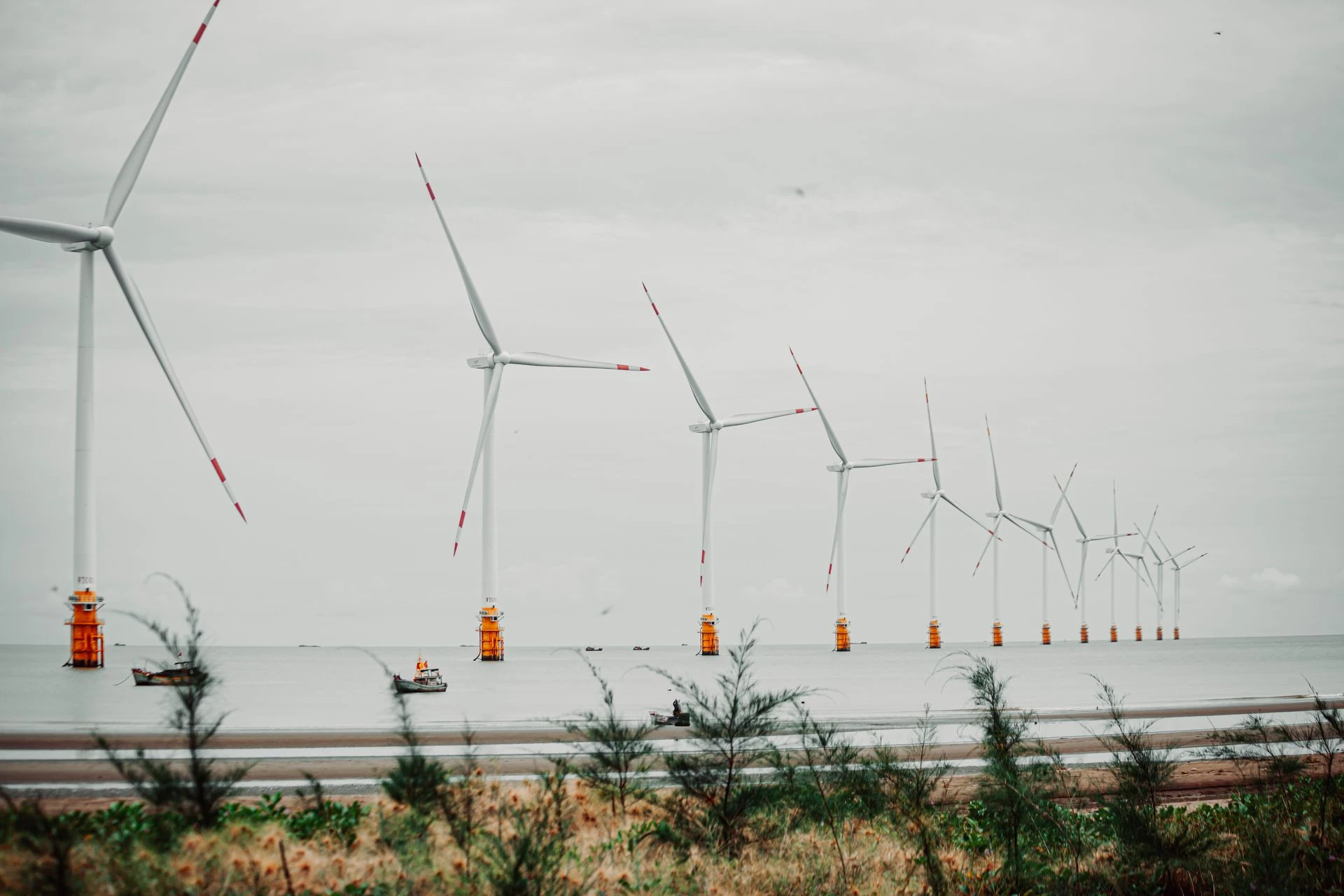
The primary strategy for tech companies moving forward should be focused on paying for performance. Instead of fighting against higher rates, firms are encouraged to negotiate for priority permitting in exchange for their increased financial contributions. This framework ensures that the extra money paid by data centers translates directly into a faster build-out of renewable energy and transmission lines, benefiting the entire national infrastructure. By aligning corporate interests with public infrastructure goals, the BAAJA attempts to create a sustainable model for integration that supports both technological leadership and energy equity for all citizens.
The Senate recognized that the era of unmanaged energy expansion had to end to protect the stability of the national economy. Policymakers shifted the focus away from blanket subsidies and toward a model of corporate accountability, ensuring that the primary beneficiaries of the AI boom were also the primary financiers of the grid. Regulators moved to establish strict liability standards, which protected local communities from the financial risks of abandoned projects. These actions provided a clear pathway for the Federal Energy Regulatory Commission to finalize rulemakings that balanced the needs of hyperscalers with the rights of residential ratepayers. States began implementing these federal guidelines to create localized energy markets that prioritized affordability and infrastructure velocity. This legislative shift laid the groundwork for a future where industrial growth and public welfare were no longer viewed as competing interests. Moving forward, the successful integration of massive computing loads required continuous monitoring of the off-grid migration trend to prevent environmental degradation. The path established by these reforms ensured that the American grid remained a shared and sustainable resource for the next generation of technological innovation.