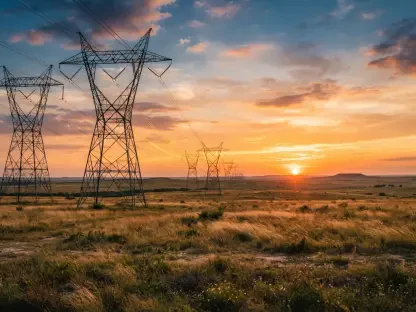

Faced with an increasingly strained power grid and the decommissioning of regional oil-burning plants, Vermont is looking north to Nova Scotia to meet its rising electricity demands. This strategic pivot reflects a broader New England effort to shore up energy security in an era defined by the rapid electrification of transportation and heating sectors. As traditional fossil fuel facilities are retired across the region, the resulting void has created an urgent need for massive, reliable baseload replacements. Vermont regulators have noted that the surge in demand from widespread electric vehicle adoption and the transition to high-efficiency heat pumps has placed unprecedented stress on existing distribution networks. By establishing a formalized partnership with Canadian maritime provinces, Vermont officials hope to circumvent the regulatory bottlenecks and political uncertainties currently hampering domestic offshore wind projects along the Atlantic coast. This move is timed with a crucial three-year assessment window.
International Collaboration for Regional Energy Security
The memorandum of understanding signed between the state government and Nova Scotia established a three-year framework to evaluate the feasibility of importing large-scale wind energy into the New England market. This agreement emerged primarily from concerns within Governor Phil Scott’s administration regarding the volatility of federal energy policy and potential opposition to domestic offshore installations. By diversifying supply sources through international agreements, Vermont aims to insulate its ratepayers from the price spikes and supply shortages that often accompany regional energy transitions. State officials argued that while local projects remain valuable, the sheer scale of the energy deficit requires a more aggressive approach that looks beyond traditional borders. This collaboration also aligns with a multi-state strategy, as Massachusetts has entered into similar arrangements to bolster its own renewable portfolio. The focus remains on establishing a resilient power corridor that can withstand the logistical challenges of the next decade.
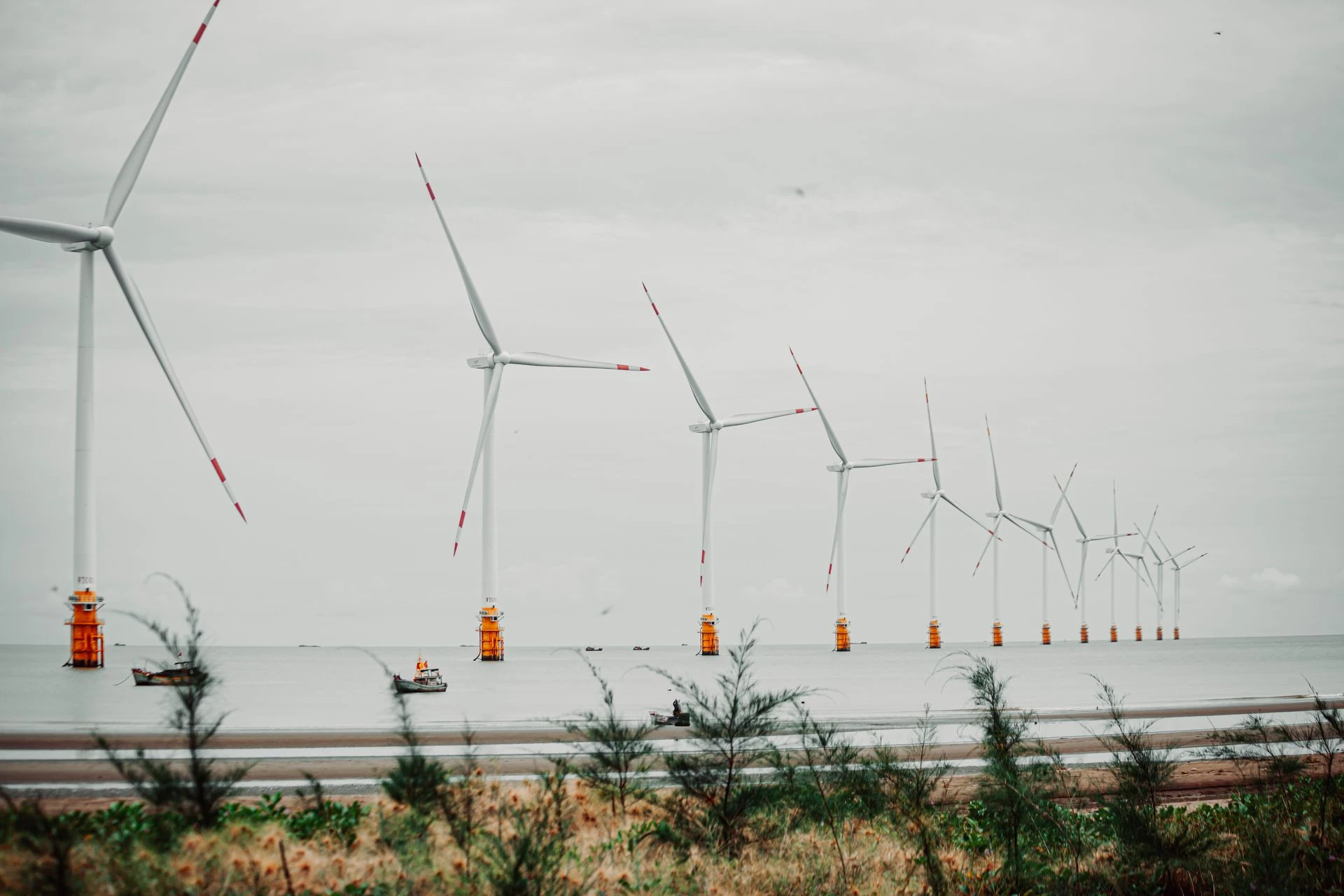
Nova Scotia represents an ideal partner for this endeavor due to its ambitious objective to transform into a major clean energy hub for the North Atlantic region. The province recently opened competitive bidding for approximately 15 gigawatts of offshore wind capacity, a volume that far exceeds its own domestic requirements and positions it as a significant exporter. For Vermont, accessing this Canadian resource provides a hedge against the slow pace of terrestrial wind permitting and the environmental litigations that frequently delay local infrastructure projects. The Canadian initiative is backed by significant provincial investment and a streamlined regulatory process designed to fast-track construction of deep-water turbines. Integrating this capacity into the New England power pool would provide a stable flow of electricity that complements the intermittent nature of existing solar arrays and smaller wind farms. This cross-border synergy is viewed as a critical component of a long-term strategy to achieve carbon neutrality without sacrificing grid reliability.
Overcoming Technical and Financial Infrastructure Hurdles
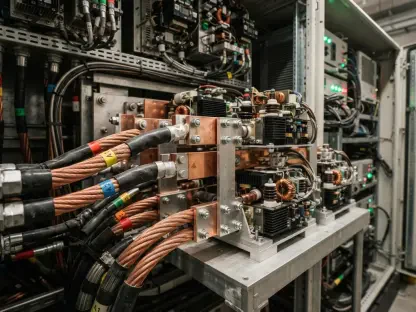
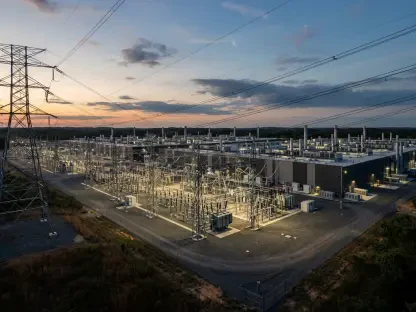
While the generation potential in the Maritimes is vast, the physical reality of transporting that power to Vermont households presents a significant engineering challenge. The most prominent bottleneck exists at the Highgate high-voltage converter, an aging piece of infrastructure that currently limits the volume of electricity that can be transferred across the border. Vermont Electric Power Company, known as VELCO, has identified a comprehensive reconstruction of this facility as a top priority for ensuring the success of the Nova Scotia partnership. The proposed overhaul is estimated to cost between $500 million and $1 billion, representing a massive capital investment for the state’s utility sector. To manage these costs, grid operators have suggested a regional cost-sharing model, arguing that a more robust connection benefits the entire New England power pool by lowering overall market prices. This modernization would not only allow for wind imports but also improve the general stability of the northern transmission loop.
Beyond the Highgate project, energy planners are evaluating several alternative transmission routes to ensure that the wind energy reaches the broader regional grid efficiently. One such proposal involves the construction of specialized undersea cables that would bypass land-based topographical obstacles and connect Nova Scotia directly to the coastal load centers of southern New England. Another option explores the expansion of existing corridors through the Quebec power grid, which could facilitate a wheeling arrangement to bring maritime wind power through Maine and into Vermont. These infrastructure decisions are complicated by the need to navigate diverse environmental regulations and land-use policies across multiple jurisdictions. Furthermore, the integration of such large-scale intermittent sources requires the installation of advanced battery storage systems and grid-stabilizing technologies to prevent voltage fluctuations. Each of these solutions carries varying degrees of financial risk and technical complexity that require careful analysis.
Balancing International Imports with Domestic Renewables
The decision to prioritize international imports has not been without its detractors, particularly among local advocacy groups who champion domestic renewable development. Organizations such as the Vermont Public Interest Research Group have voiced concerns that the focus on Nova Scotia wind might come at the expense of investing in Vermont’s own solar and terrestrial wind resources. Critics argued that relying on Canadian imports could undermine the goal of local energy independence and leave the state vulnerable to external pricing pressures or transmission failures outside its control. There is a persistent belief among environmental advocates that the state government has historically placed too many hurdles in front of small-scale distributed generation projects within the state. They suggested that if even a fraction of the capital earmarked for the Highgate reconstruction were diverted to local incentives, Vermont could achieve its climate targets more rapidly. This debate highlights the tension between large-scale regional solutions and localized energy autonomy.
To move forward, stakeholders established a rigorous evaluation framework to balance regional imports with the expansion of internal energy capacity. Planners conducted a comprehensive cost-benefit analysis that weighed the long-term savings of stable Canadian wind contracts against the immediate expenses of grid modernization. State regulators initiated public forums to ensure that community concerns regarding transmission lines and ratepayer impacts were addressed before finalizing major construction contracts. It became clear that a diversified approach was necessary, combining the reliability of large-scale offshore wind with the resilience of local microgrids and energy storage solutions. Moving toward the end of the decade, authorities focused on securing federal matching funds to offset the financial burden on residents while streamlining the permitting process for supplemental local projects. This strategy ensured that the transition to a carbon-neutral economy remained both affordable and secure. By prioritizing transparency and regional cooperation, the state successfully navigated a complex energy crisis.