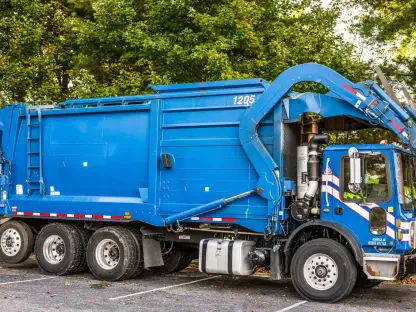

The demand for high-quality used cooking oil is surging as the aviation industry seeks to reduce life-cycle greenhouse gas emissions by up to 80 percent. This shift has fundamentally altered how industrial entities perceive kitchen waste, transforming what was once a disposal liability into a high-value commodity. The strategic alliance between Houston-based energy giant Phillips 66 and Minneapolis-based Restaurant Technologies, Inc. (RTI) stands at the forefront of this revolution. By establishing a long-term agreement, RTI provides a steady stream of certified used cooking oil to the Phillips 66 Rodeo Renewable Energy Complex in California. This facility currently ranks among the most significant renewable fuel refineries on the planet, utilizing cutting-edge technology to convert vegetable oils into drop-in replacements for traditional petroleum products. This collaboration underscores a broader commitment to circular economy principles, where the integration of complex supply chains allows for the effective decarbonization of the aviation sector.
Precision Logistics: Maximizing Feedstock Integrity and Yield
Central to the success of this initiative is the rigorous management of feedstock quality, which determines the overall efficiency of the refining process. RTI employs its proprietary Total Oil Management system, an automated closed-loop framework that has been refined since the turn of the millennium. Unlike traditional collection methods where used oil is often stored in open outdoor bins exposed to rain, debris, and fluctuating temperatures, this system maintains a sterile environment from the deep fryer directly to the transport vehicle. By eliminating manual handling and preventing contamination from food particles or excess moisture, RTI ensures that the oil arrives at the refinery in a highly purified state. This high level of purity significantly reduces the need for extensive pre-treatment at the Rodeo facility, allowing Phillips 66 to maximize the conversion yield. Every gallon of high-quality oil processed represents a tangible step toward lower operational costs and higher sustainability.
The infrastructure required to support such a massive undertaking is extensive, involving a network of approximately 45,000 locations across more than 40 domestic markets. This network includes a diverse array of contributors, ranging from large-scale casinos and university dining halls to national restaurant chains and luxury hotels. In 2026, the volume of used cooking oil collected through these channels is expected to reach nearly 400 million pounds, providing the critical mass necessary for industrial-scale production at the California complex. Securing a reliable and consistent domestic supply chain is essential for Phillips 66 as it manages its feedstock optionality in an increasingly competitive global market. By localized sourcing, the company reduces the logistical carbon footprint associated with transporting raw materials, further enhancing the environmental profile of the final product. This consistent flow of material allows the refinery to operate at peak capacity, meeting the growing global appetite for cleaner energy.
Chemical Engineering: Converting Organic Waste into Jet Fuel
Transforming used cooking oil into aviation fuel involves a sophisticated series of chemical reactions known as hydro-processing. At the Rodeo Renewable Energy Complex, the collected oil is cleaned, pressurized, and heated before being introduced to hydrogen in the presence of a catalyst. This process effectively removes oxygen and rearranges the carbon and hydrogen atoms to create paraffinic hydrocarbons that are chemically indistinguishable from those found in traditional kerosene-based jet fuel. The resulting sustainable aviation fuel is a drop-in solution, meaning it can be blended with conventional fuel and used in existing aircraft engines and airport infrastructure without any hardware modifications. This technological capability is a cornerstone of the global strategy to achieve net-zero emissions in flight. Since this fuel performs identically to its petroleum-based counterpart while offering a vastly superior lifecycle carbon profile, it provides a practical path forward for airlines to meet their targets.
The integrity of this sustainable value chain is reinforced by rigorous international certifications that provide transparency for both producers and end-users. RTI maintains certification under the International Sustainability and Carbon Certification system, which is recognized globally for its alignment with the United Nations Global Compact. This accreditation ensures that every pound of oil is sourced through ethical practices and that the greenhouse gas reductions are accurately measured and verified. For corporate partners and commercial airlines, these certifications are indispensable for fulfilling regulatory requirements and public-facing environmental commitments. By establishing a direct link between domestic waste collection and high-tech energy production, Phillips 66 and RTI have created a model that provides verifiable environmental benefits. This integrated approach not only supports the transition to a lower-carbon economy but also builds trust within an industry that is under pressure to demonstrate measurable progress.
Industrial Resiliency: Strengthening Energy Security through Innovation
Broadening the scope of the energy landscape through the utilization of domestic waste products significantly enhances national energy security. By converting locally sourced cooking oil into high-value transportation fuel, the reliance on volatile international petroleum markets is diminished, creating a more resilient and self-sufficient energy infrastructure. This partnership serves as a primary example of how the circular economy has moved beyond theoretical discussion and into the realm of mainstream industrial practice. It demonstrates that everyday business operations can serve as the foundation for advanced aerospace technology, provided the right logistical and refining frameworks are in place. As the aviation industry continues to grapple with the complexities of decarbonization, the ability to scale these types of domestic collaborations will be vital. The success of this model suggests that the transition to sustainable fuels is not just an environmental imperative but a strategic economic opportunity to revitalize domestic manufacturing.
The collaboration between Phillips 66 and RTI successfully addressed the multifaceted challenges of logistics, feedstock quality, and industrial scaling. By leveraging automated collection systems and advanced refining techniques, the two entities provided a viable blueprint for the future of sustainable flight. Industry leaders moved beyond pilot programs to establish long-term, high-volume agreements that stabilized the supply chain for renewable materials. Moving forward, the focus should shift toward expanding these collection networks into underserved markets and investing in further research to enhance the efficiency of hydro-processing catalysts. It was clear that the integration of diverse industrial sectors was necessary to achieve meaningful reductions in global aviation emissions. Stakeholders recognized that maintaining this momentum required continued investment in domestic infrastructure and a steadfast commitment to transparent carbon reporting. This initiative proved that waste-to-fuel technologies were ready for the global stage.