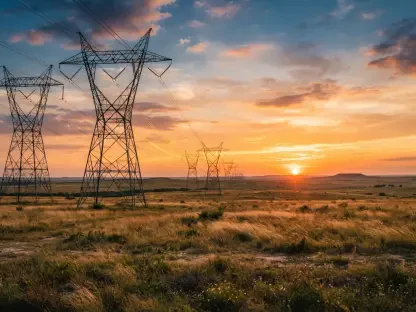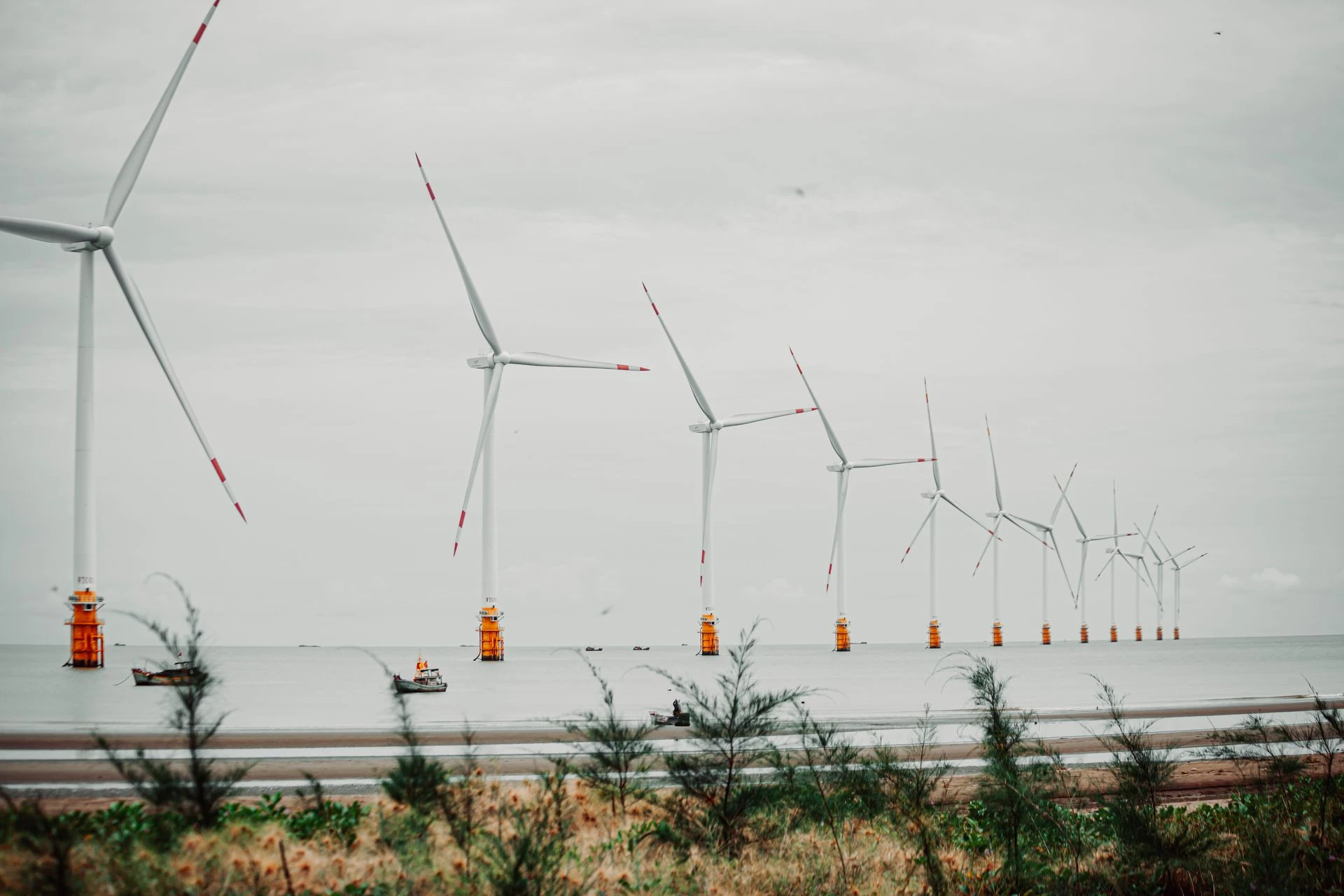

By sourcing over 80 percent of its electricity from renewable energy, the Galaxy AI campus serves as a primary proof of concept for the future of green computing. This facility, located in the energy-rich region of Ulanqab, marks a significant shift in how the industry handles the massive electrical burdens required by modern generative models. As the demand for artificial intelligence capabilities continues to surge globally, the strain on traditional power grids has become an existential threat to technological expansion. Envision Energy has addressed this by moving beyond the limitations of legacy systems, introducing the world’s first commercially integrated 800V direct current power infrastructure. This innovation allows for a more seamless marriage between renewable energy sources and the heavy-duty hardware that drives today’s algorithmic breakthroughs. By redesigning the very foundation of energy delivery, this campus demonstrates that sustainable growth is possible.
Technical Infrastructure: High-Voltage Direct Current Efficiency
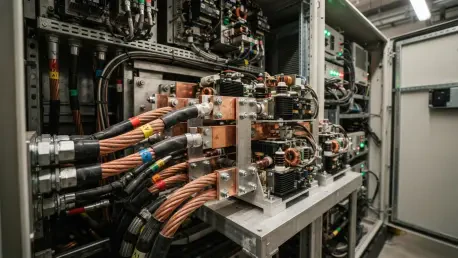
The architectural shift from alternating current to high-voltage direct current represents a fundamental change in data center engineering. Traditional centers rely on a series of complex conversion stages to step down high-voltage grid power for server use, which inevitably leads to substantial energy dissipation through heat and resistance. In contrast, Envision Energy’s system utilizes advanced solid-state transformers to convert 10-kilovolt medium-voltage input directly into an 800-volt direct current stream. By eliminating multiple intermediate conversion steps, the system achieves a level of efficiency that was previously unattainable in large-scale deployments. This streamlined path for electricity not only minimizes the physical space required for heavy electrical hardware but also drastically reduces the cumulative energy loss that typically plagues traditional setups. It is a calculated move to optimize every watt before it reaches the accelerator racks.
Beyond raw efficiency, the transition to 800V direct current architecture offers significant advantages in terms of infrastructure density and installation speed. High-density AI computing requires an immense amount of cabling and cooling equipment, which often dictates the layout and maximum capacity of a facility. By utilizing higher voltages, the current required to deliver the same amount of power is reduced, allowing for thinner cables and a more compact internal distribution network. This reduction in material usage translates to a smaller physical footprint for power rooms, freeing up floor space for more computing units. Furthermore, the modular nature of this 800V system simplifies the deployment of new server clusters, enabling operators to scale their capacity more rapidly to meet the fluctuating demands of the market. This structural optimization ensures that the facility can support up to one million AI accelerators while maintaining a sustainable operational profile.
Strategic Integration: Intelligent Control and Future Scaling
Managing the extreme volatility of AI workloads requires a level of precision that traditional power controllers cannot provide. Artificial intelligence training and inference cycles can cause massive, near-instantaneous spikes in power demand, which often destabilize local grids or lead to equipment failure. To counter this, the new system integrates the proprietary Dubhe Controller, which utilizes an energy foundation model to orchestrate the flow of electricity with millisecond precision. This intelligent management system coordinates the interplay between the external power grid, internal solid-state transformers, and integrated battery energy storage systems. When an AI cluster suddenly demands more power, the system can draw from its batteries almost instantly, smoothing out the load and protecting hardware from voltage fluctuations. This proactive approach to power management transforms the data center from a passive consumer into an active participant in energy regulation.
The successful deployment of this high-voltage infrastructure provided a clear blueprint for stakeholders looking to decarbonize high-performance computing sectors. Leaders recognized that the path forward required more than just incremental improvements; it demanded a total reimagining of the synergy between power generation and digital consumption. By moving toward a standardized high-voltage direct current model, organizations began to see the practical benefits of reduced transmission loss and enhanced grid stability. This project showed that integrating large-scale battery storage was essential for maintaining the operational integrity of volatile AI environments. As the roadmap progressed from 2026 to 2030, the focus shifted toward scaling these green clusters into more remote, resource-rich regions to leverage untapped renewable potential. The precedent set by this initiative encouraged a broader adoption of specialized controllers that treated energy as a dynamic resource, ultimately setting a new industry benchmark.