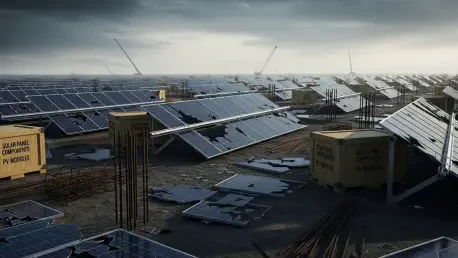

The American energy landscape is currently navigating a period of unprecedented strain as the explosive growth of artificial intelligence and advanced computing infrastructures continues to push electricity demand to historic heights. This surge in power requirements has exposed a glaring vulnerability in the domestic renewable energy sector, where the heavy reliance on overseas components creates a volatile environment for national infrastructure projects. While solar installations are appearing at a record pace across the country, the underlying hardware remains largely imported, leaving the grid susceptible to geopolitical shifts and logistical disruptions. Suniva, a prominent manufacturer specializing in monocrystalline silicon solar cells, recently announced a significant response to this crisis by unveiling plans for a massive 4.5-GW production facility in Laurens, South Carolina. This $350 million initiative is intended to secure the nation’s energy independence by bolstering the manufacturing core of the American solar market, ensuring that the supply chain can keep pace with the rapid digital evolution.
Strengthening the Domestic Manufacturing Core
The strategic expansion of the Laurens facility represents a pivotal shift in how the United States approaches the renewable energy supply chain, moving beyond mere assembly to deep manufacturing. By the second quarter of 2027, this project is slated to reach completion, effectively elevating the total domestic merchant solar cell capacity to over 5.5 GW and positioning Suniva as a dominant force in the industry. This movement is heavily supported by federal incentives established through the Inflation Reduction Act, particularly the 45X advanced manufacturing production tax credit, which provides the financial stability necessary for such capital-intensive ventures. Industry analysts argue that focusing on these upstream components is essential because, although domestic module assembly has reached a notable 56.5 GW, the critical production of cells and wafers has historically trailed behind. This gap has created a bottleneck that restricts the actual resilience of the green economy and necessitates continued reliance on foreign-sourced technology.
Transitioning from a reliance on foreign imports to a localized production model is not just about logistics; it is an essential component of long-term economic strategy and power grid stability. As the demand for electricity spikes across major tech hubs, the need for a predictable and secure supply of solar components becomes a matter of national security. Organizations like the Solar Energy Industries Association have emphasized that building out domestic cell capacity is the only way to shield the American energy sector from the inherent risks of trade volatility. Without these internal capabilities, the massive investments currently being made into AI data centers and digital infrastructure remain precariously tethered to international market fluctuations. Suniva’s decision to scale up at this specific moment serves as a direct response to these concerns, ensuring that the technology powering the digital revolution is manufactured and managed within the domestic borders of the United States, thereby providing a more stable foundation for the nation’s long-term energy goals.
Path Toward Sustainable Energy Sovereignty
The current resurgence of Suniva marks a significant turnaround for a company that once symbolized the struggle of the domestic manufacturing sector against a flood of low-priced imports. After filing for bankruptcy in 2017 and successfully exiting the process in 2019, the organization spent the following years repositioning itself at the very heart of the American reshoring movement. This evolution demonstrates a broader industry consensus that domestic control over energy components is a vital necessity rather than a luxury. By focusing on monocrystalline silicon technology, which offers higher efficiency rates for commercial and utility-scale projects, the company is targeting the most critical segments of the energy market. This focus allows the United States to leverage high-performance hardware that meets the rigorous standards required by modern power grids. The move also encourages other manufacturers to consider the viability of onshoring their own production lines to benefit from local supply clusters and reduced transportation costs.
Industry leaders recognized that the path to a fully integrated supply chain required more than just financial subsidies; it demanded a fundamental shift in procurement strategies and long-term planning. The expansion in South Carolina provided a blueprint for how domestic manufacturers successfully navigated the complexities of scaling high-tech production in a competitive global environment. Stakeholders concluded that for this momentum to persist, further investments into the refinement of raw materials like polysilicon and the domestic production of glass and frames were necessary. It became clear that the success of Suniva’s initiative depended on the continued alignment of federal policy with private sector innovation to ensure that the supply chain remained robust against future shocks. Moving forward, the focus shifted toward developing a workforce capable of maintaining these advanced facilities, ensuring that the solar industry contributed not only to energy security but also to high-quality domestic job growth across the broader American manufacturing landscape.