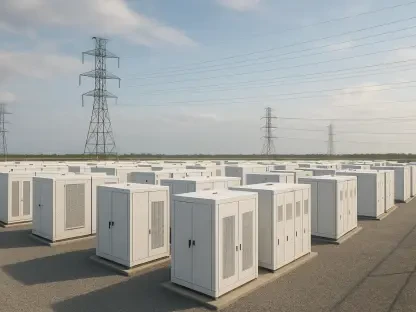

The unprecedented expansion of artificial intelligence has moved beyond the realm of software into a direct confrontation with the finite physical resources of our planet. As these systems reshape everything from medical research to creative content, they have hit a physical wall regarding environmental limits. During London Climate Action Week, United Nations Secretary-General António Guterres introduced a rigorous new transparency framework designed to hold the technology sector accountable for its ecological footprint. This analysis explores whether a sector built on rapid, unfettered growth can pivot to meet these strict international standards. The examination focuses on the seven-point plan and the staggering resource requirements of modern data centers while addressing the growing tension between progress and planetary health.
The Urgent Crossroads of Artificial Intelligence and Environmental Sustainability
The intersection of high-performance computing and climate change represents a pivotal moment for global policy. Historically, the digital economy operated under the assumption that efficiency gains would always offset the energy costs of expansion. However, the sheer processing power required for contemporary generative models has invalidated those old projections. The industry now stands at a junction where maintaining public trust depends on proof of sustainability. The UN framework serves as a signal that the era of voluntary reporting is ending, replaced by a mandate that treats environmental data with the same seriousness as financial disclosures.
From Digital Clouds to Physical Constraints: The Context of AI Growth
The tech industry previously enjoyed a reputation for being cleaner than traditional manufacturing or heavy industry. The common terminology of the cloud suggested a weightless and invisible infrastructure that existed outside of traditional resource cycles. However, the rise of massive language models has shattered this illusion, revealing that the digital world relies on energy-hungry physical assets. Past developments focused mainly on hardware efficiency, but the scale of current training models has outpaced those incremental gains. The industry is no longer just an consumer of electricity; it is becoming a primary driver of global energy demand and localized water scarcity.
The Massive Resource Requirements of Modern AI Systems
Transparency and the UN’s Seven-Point Strategic Framework
The core of the proposed framework is a demand for radical honesty regarding the physical cost of data processing. Secretary-General Guterres has called for major corporations to publicly disclose their comprehensive environmental footprint, including greenhouse gas emissions and land usage. This framework is a strategic push for global energy independence, aiming to prevent the hidden costs of technology from being shifted onto vulnerable populations. The challenge for these corporations lies in data collection and reporting, as many organizations currently guard their resource metrics as trade secrets. Transitioning to a transparent model represents a significant cultural and operational hurdle for even the most advanced firms.
The Staggering Scale of Global Power and Water Consumption
Current data reveals the depth of the issue, particularly in the United States, where data center electricity usage is projected to surge by 300% over the next decade. Globally, the power consumption of high-scale computing could soon rival that of all but the five largest countries on Earth. Perhaps more startling is the impact on water resources used for cooling these massive server farms. The water required for these systems could potentially meet the basic needs of 1.3 billion people in sub-Saharan Africa for a full year. These figures highlight a paradox where technology designed to solve problems creates a direct threat to the resources needed for human survival.
Domestic Pushback and the Limits of Data Center Expansion
The complexities of this issue extend into local communities where physical expansion meets resistance. In the United States, more than 500 regional organizations have lobbied for a moratorium on new data center construction, citing rising electricity costs and water shortages. This friction has already caused market disruptions, as the number of canceled projects jumped from six in 2022 to twenty-five in 2023. These regional differences show that the path to expansion is not just a matter of funding, but of gaining a social license to operate within delicate local ecosystems.
Navigating the Path Toward 100% Renewable Energy
The UN has established a bold target for major companies to power their data centers with 100% renewable energy by 2030. This goal is shaping a new trend where green compute is becoming a primary competitive advantage in the market. There is a shift toward more stringent regulations where G20 nations, responsible for the vast majority of global emissions, must lead by eliminating fossil fuel subsidies. Future industry success depends on decoupling growth from carbon emissions. This evolution involves moving data centers to regions with surplus renewable energy and developing new cooling methodologies that do not rely on local potable water supplies.
Strategies for Achieving a Sustainable Digital Future
For the industry to align with these new standards, it must adopt several actionable strategies. Organizations should prioritize direct investment in renewable infrastructure rather than relying solely on carbon offsets. Radical transparency must become the default standard, as disclosing environmental data early builds trust with regulators and local communities. Additionally, there must be a focus on fair financing to ensure the clean energy transition does not leave developing nations behind. Professionals in the field should advocate for energy-efficient model architectures that require less raw computing power to achieve the same results, effectively doing more with less.
Reconciling Technological Ambition with Ecological Reality
The UN’s climate standards placed the industry at a critical crossroads. The narrative that digital progress could happen in isolation from environmental health was no longer tenable. As the expansion of infrastructure continued, it became clear that a radical shift in how machines were powered and cooled was necessary. To reach global net-zero goals, the tech sector embraced the call for transparency and renewable adoption. Ultimately, the true value of artificial intelligence was measured not by processing speed, but by its ability to coexist with the natural resources that sustained life. Priority was given to energy-efficient design, and sustainable practices became the new benchmark for excellence.