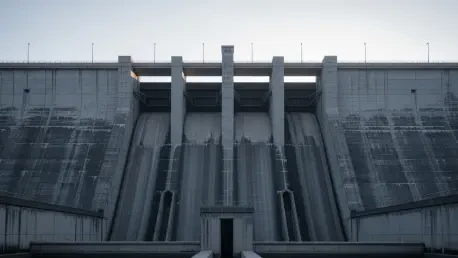

The transition toward a resilient and carbon-neutral energy grid in Central Europe has reached a critical juncture where existing hydroelectric infrastructure must be reimagined to provide much-needed storage capacity. This necessity is perfectly illustrated by the Czech Republic’s ambitious initiative to transform the Orlik Dam, currently a traditional hydroelectric facility, into a high-capacity pumped-storage power plant. Located on the Vltava River, the Orlik Dam represents a historical achievement in engineering, but its current configuration lacks the flexibility required to manage the fluctuations of modern renewable energy sources. By retrofitting this massive structure with reversible turbines, the state-owned utility CEZ Group aims to turn the Vltava Cascade into a giant battery for the nation. This transformation is not merely a technical upgrade; it is a strategic repositioning of national assets to ensure that the surplus of solar and wind power generated during peak hours can be effectively stored and deployed when demand surges.
Technical Specifications: Engineering the Reversible System
The core of this engineering endeavor involves the complete replacement of the four original Kaplan turbines, each boasting a capacity of approximately 94 megawatts, with advanced reversible pump-turbines. This mechanical shift allows the facility to perform a dual role, operating as a traditional power generator during periods of high electricity demand and as a massive pump when the grid experiences a surplus. During low-demand periods, such as clear afternoons when solar production is at its peak, the facility will consume excess electricity to move water from the lower reservoir back up to the Orlik reservoir. This process effectively converts electrical energy into gravitational potential energy, which remains stored until the grid requires an immediate injection of power. Implementing such a conversion requires significant modifications to the existing dam structure, including the reinforcement of intake tunnels and the installation of sophisticated control systems to manage the rapid switching between modes.
A critical component of this technical overhaul is the coordination between the Orlik Dam and the Kamyk reservoir, which serves as the essential lower basin for the pumped-storage cycle. Effective management of water levels between these two bodies is paramount to maintaining hydraulic efficiency and ensuring that the pumping process does not negatively impact the local ecosystem or river navigation. Engineers have developed complex fluid dynamics models to predict how the rapid movement of large water volumes will affect the structural integrity of the dam and the stability of the riverbed. These simulations are vital for calibrating the speed at which the reversible turbines can transition from pumping to generating, a factor that directly determines the responsiveness of the plant to grid fluctuations. Furthermore, the integration of digital twin technology allows operators to monitor mechanical stress in real-time, providing a layer of predictive maintenance that extends the operational lifespan of these high-cost components.
Strategic Impact: Enhancing Grid Resilience and Security
As the Czech Republic continues to integrate higher proportions of variable renewable energy into its national mix, the demand for large-scale storage solutions has become more urgent than ever. Traditional baseload power plants, such as nuclear and coal facilities, lack the agility to follow the sharp ramps in production associated with wind and solar assets. The Orlik conversion addresses this gap by providing a massive, fast-acting reserve that can stabilize the frequency of the national grid within seconds of a disruption. Beyond immediate stability, this project significantly enhances national energy security by reducing the reliance on imported natural gas for peaking power. By leveraging existing hydro assets, the nation can achieve a more autonomous energy posture, ensuring that price volatility in international markets has a minimized impact on domestic consumers. This move reflects a broader European trend where legacy infrastructure is being repurposed to meet the demands of a decentralized and increasingly digitized energy economy.
The successful conceptualization of the Orlik Dam conversion established a definitive blueprint for how aging infrastructure could be modernized to meet contemporary sustainability targets. Decision-makers prioritized the integration of advanced mechanical systems that bridged the gap between historical civil engineering and future-oriented energy management needs. This approach demonstrated that the most effective way to handle grid instability was to invest in large-scale storage that capitalized on geographical advantages already present in the landscape. Stakeholders recognized that the long-term viability of the project depended on rigorous environmental monitoring and the continuous refinement of hydraulic protocols to protect the Vltava River’s natural health. Consequently, the project shifted the focus toward a more holistic view of energy systems, where every asset played a role in both production and regulation. The next logical steps involved applying these lessons to other dams within the Vltava Cascade, thereby creating a synchronized network of storage facilities.