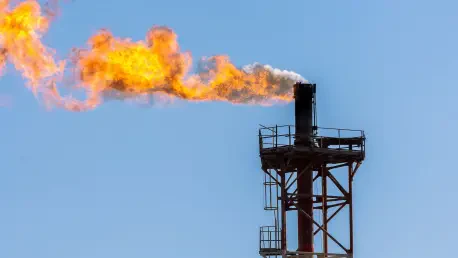

The Sierra Club contends that the current focus on natural gas infrastructure represents a dangerous detour from the state’s necessary transition to renewable energy. This assertion surfaces as Arizona Public Service, the state’s dominant utility provider, manages an unprecedented surge in electricity demand fueled by the relentless expansion of the digital economy. In 2026, the intersection of technological growth and environmental stewardship has become a central point of friction for policymakers in the Southwest. Data centers, which serve as the backbone for global cloud computing and artificial intelligence, now account for half of the annual demand growth in the region. This rapid industrialization has pushed the existing grid to its absolute limits, especially during the extreme heat of the summer months when cooling requirements are a matter of public safety. As the utility struggles to maintain a stable supply, the reliance on natural gas has transitioned from a temporary measure to a cornerstone of energy strategy, sparking intense debate about the sustainability of this path.
The Strategic Role of Natural Gas in the Modern Grid
Transitioning from Coal to Consistent Power
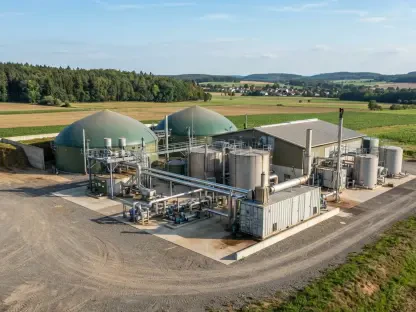
The retirement of coal-fired generation facilities across Arizona has created a significant void in the state’s capacity to produce baseload power, which is the steady supply of electricity needed to keep the grid functioning at all times. Historically, coal provided the necessary voltage stability and rotational inertia required to balance the system, but rising operational costs and strict emissions regulations have forced these plants into obsolescence. To fill this gap, natural gas has emerged as the preferred alternative due to its ability to ramp up production quickly in response to fluctuating demand. Proponents of this shift argue that gas-fired plants are significantly cleaner than their coal counterparts, emitting roughly fifty percent less carbon dioxide. However, the transition involves more than just a simple replacement of fuels; it represents a fundamental change in how the state manages its energy portfolio. The flexibility of gas allows the grid to accommodate the intermittency of solar and wind, but it also creates a new dependence on a single fuel source.
While the concept of natural gas as a bridge fuel gained traction over a decade ago, the duration of this transition period is now being questioned as the infrastructure becomes more entrenched. In the current energy landscape, the massive requirements of data centers have necessitated a long-term commitment to gas-fired generation that many did not anticipate. This development suggests that the bridge may actually be a permanent fixture of the southwestern power grid for the foreseeable future. Utility providers emphasize that without the continuous output of gas plants, the risk of blackouts would increase significantly, particularly when the sun sets and solar production drops to zero. This reliance creates a complex paradox where the pursuit of digital innovation, which often claims to be part of a greener future, is driving the continued use of fossil fuels. Strategic planning for the next decade focuses heavily on expanding gas capacity to ensure that the digital hubs driving Arizona’s economy remain operational without interruption.
The Impact of High-Density Data Centers
The proliferation of high-density data centers in the Phoenix metropolitan area has fundamentally altered the daily load profile of the electrical grid. Unlike residential or commercial buildings that see significant drops in power usage during the night, these facilities operate at a near-constant level of intensity throughout the entire day. This 24/7 operational requirement places a unique strain on generation assets, as there is no opportunity for the system to recover during off-peak hours. Furthermore, the cooling needs of these massive server farms are astronomical, often requiring advanced liquid cooling systems that consume vast amounts of electricity. During the summer of 2026, these requirements pushed the utility to operate at nearly ninety percent of its total planned capacity, leaving a razor-thin margin for error. The necessity of maintaining a stable internal environment for sensitive hardware means that data centers cannot simply reduce their consumption during periods of grid stress, making them a very challenging customer class.
Despite the rapid expansion of solar arrays across the Arizona desert, these renewable resources currently lack the integrated storage capacity to support the heavy industrial load of the data center industry alone. Solar energy is abundant during the day, but the peak demand for electricity often occurs in the late afternoon and early evening when production begins to wane. This mismatch necessitates a reliable backstop that can provide power regardless of weather conditions or time of day. While battery technology is improving, the current scale of storage is insufficient to meet the multi-megawatt requirements of a single data center for extended periods. This technological gap is what drives the continued investment in natural gas, as gas turbines can be activated almost instantaneously to compensate for any drop in renewable output. Until long-duration energy storage or next-generation nuclear reactors become commercially viable at scale, the utility industry maintains that natural gas remains the only practical solution for maintaining the constant power flow needed.
Balancing Regulatory Priorities and Infrastructure Investments
Reliability and the Financial Reality of Gas Plants
The regulatory environment in Arizona, overseen by the Arizona Corporation Commission, has prioritized grid reliability and consumer affordability as its primary mandates. This hierarchical approach to energy policy places clean energy goals in a secondary position, reflecting a pragmatic response to the immediate needs of a growing population. Chairman Nick Myers and other commissioners have argued that the primary responsibility of a utility is to keep the lights on and the costs manageable for everyday citizens. From this perspective, the rapid deployment of natural gas infrastructure is seen as a necessary safeguard against the catastrophic economic and social consequences of power outages. This regulatory stance has significant implications for the state’s carbon footprint, as it encourages utilities to pursue the most reliable and cost-effective generation methods available today. While environmental groups advocate for a faster transition to carbon-free sources, the commission remains focused on the reality that a failure in the power grid would be extremely damaging.
Building new natural gas plants involves massive capital expenditures that naturally result in long-term operational commitments spanning several decades. These facilities are designed with lifespans ranging from twenty to sixty years, and the financial models used to justify their construction rely on these extended timelines to recover the initial investment. Once a plant is commissioned and integrated into the rate base, there is a strong economic incentive for regulators and utilities to keep it running until the end of its useful life. This reality creates a lock-in effect, where the decisions made today to satisfy the immediate demand from data centers will influence Arizona’s energy mix well into the middle of the century. Critics point out that this long-term commitment to fossil fuel infrastructure contradicts the rhetoric of a short-term bridge and may prevent the state from adopting more advanced clean technologies as they become available. The financial burden of decommissioning these plants early would likely fall on consumers, making it even more difficult to pivot.
Environmental Impacts and Strategic Future Pathways
The environmental impact of natural gas is a subject of intense scrutiny, particularly regarding the role of methane in global warming. While natural gas is often marketed as a cleaner fuel because it produces less carbon dioxide during combustion, the extraction and transportation process is prone to methane leakage. Methane is a significantly more potent greenhouse gas than carbon dioxide, with the capacity to trap far more heat in the atmosphere over a shorter timeframe. For organizations like the Sierra Club, the proliferation of gas projects in Arizona represents a major setback for regional climate goals. They argue that the focus should instead be on aggressive investments in energy efficiency and utility-scale battery storage, which would allow the state to bypass the need for additional gas-fired capacity. With fifteen new natural gas projects currently in various stages of planning, critics fear that the state is missing a critical window to establish itself as a leader in the green economy, potentially leading to a worsening climate situation.
The evolution of the Arizona power grid throughout the early 2020s demonstrated the immense difficulty of balancing industrial growth with environmental goals. As data center demand surged, the strategic decision was made to lean heavily on natural gas to ensure that the digital economy could thrive without threatening the stability of the residential energy supply. This period highlighted the critical role of reliability in regulatory decision-making and underscored the technological hurdles that still exist for a fully renewable system. To move forward, stakeholders established that the focus must shift toward the development of long-duration storage and the potential integration of small modular nuclear reactors to provide a carbon-free baseload alternative. Implementation of smart grid technologies could allow data centers to act as flexible loads, reducing the need for new fossil fuel infrastructure. State leadership concluded that the next steps involved creating a rigid timeline for decommissioning gas assets while incentivizing private-sector innovation.