
The modern electrical landscape remains surprisingly fragile, with a single tree limb often capable of plunging thousands of households into darkness despite decades of incremental infrastructure upgrades. For years, the utility sector has operated under a “react-and-repair” philosophy, where the primary metric of success was how quickly a crew could reach a downed line. However, this approach is becoming unsustainable as climate-driven weather events grow in frequency and severity. Distribution grid automation offers a fundamental shift, moving the focus from the response speed of human technicians to the inherent intelligence of the grid itself. By embedding sensing and control capabilities at the edge of the network, utilities can transform a passive set of wires into a dynamic, self-healing ecosystem.
Introduction to Distribution Grid Automation
The core principle of distribution grid automation is the decentralization of control through the deployment of smart hardware and high-speed communication protocols. Traditionally, the distribution network—the final leg of the grid that delivers power to homes and businesses—has been the least monitored segment of the electrical system. While high-voltage transmission lines are heavily instrumented, the distribution level has often relied on customer phone calls to notify the utility of a failure. Automation changes this dynamic by providing real-time visibility into the health of assets at the grid edge. This context is crucial as the world moves toward greater electrification, where any downtime has cascading effects on transportation, heat, and commerce.
This technology has emerged as a response to the “grid edge” becoming the weakest link in the modern energy transition. As utilities integrate more distributed energy resources, such as solar panels and electric vehicle chargers, the flow of power becomes bidirectional and unpredictable. Automation provides the necessary tools to manage this complexity by adjusting voltage levels and rerouting power flow dynamically. This relevance is underscored by the fact that nearly 90 percent of all outages occur within the distribution system, making automation the most impactful investment for improving overall reliability and service quality.
Core Technologies for Grid Edge Resilience
Lateral Automation and Fault Discrimination
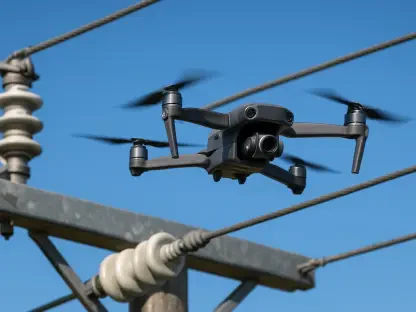
A cornerstone of this transformation lies in the overhead lateral circuits, which have historically been protected by simple, sacrificial fuses. While these fuses prevent fires and equipment damage, they are incapable of distinguishing between a temporary contact and a permanent break. Lateral automation replaces these static components with intelligent reclosers that can “test” a fault. If a branch momentarily brushes a line, the device clears the fault and restores power instantly. This capability prevents the vast majority of sustained outages that currently necessitate physical fuse replacement. By eliminating these unnecessary service calls, utilities can preserve their limited manpower for actual infrastructure damage, significantly shortening the total recovery time for the entire service area.
Furthermore, this fault discrimination capability represents a significant performance leap over traditional circuit breakers. Modern reclosers use sophisticated algorithms to analyze current waveforms, allowing them to ignore “noise” and act only when a genuine fault is detected. This precision reduces the mechanical wear on transformers and other sensitive equipment, extending the lifespan of aging assets. The significance of this technology cannot be overstated, as it moves the utility industry away from a binary “on-off” mindset toward a nuanced, adaptive management of electrical distribution.
Automated Underground Restoration Systems
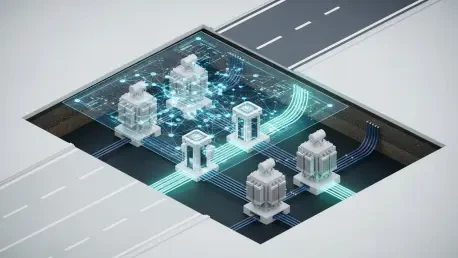
Transitioning from overhead to underground lines is frequently cited as the ultimate solution for weather resilience, yet this shift introduces its own set of operational hurdles. Locating a fault in a buried cable is a notoriously labor-intensive process that involves manual switching and “thumping” sections of the line to find the failure point. Automated underground restoration systems solve this by utilizing sensors and automated switches within residential loops. These systems detect a fault and isolate the damaged segment while simultaneously rerouting electricity from an alternative source in less than sixty seconds. Such rapid reconfiguration is essential because it maintains service for most customers while the utility identifies the specific point of failure.
These systems also integrate advanced analytics that monitor the health of underground transformers. By detecting heat signatures or abnormal vibrations, the automation software can predict an impending failure before it leads to an actual outage. This proactive performance characteristic is a major departure from the traditional model of replacing equipment only after it has failed. In real-world usage, this means that even the most vulnerable parts of the underground grid can achieve reliability levels previously reserved for high-priority industrial customers.
Emerging Trends and Technological Shifts
The evolution of grid automation is currently moving away from centralized control toward a model defined by distributed intelligence. During major storms, centralized control rooms are frequently inundated with a “data storm” of simultaneous alarms, which can paralyze human decision-making and delay response. Distributed intelligence allows local devices to communicate directly with one another, making autonomous decisions to isolate faults and restore power without waiting for a command from a central server. This peer-to-peer communication ensures that even if the primary communication backhaul is severed by the storm, the local grid remains capable of maintaining its self-healing functions.
Moreover, there is a visible shift in industry behavior toward “as-a-service” models for grid automation. Small-to-mid-sized utilities are increasingly partnering with technology providers to deploy cloud-based management systems that reduce the initial capital burden. This trend is democratizing access to high-end automation, allowing rural and municipal cooperatives to achieve the same level of resilience as large investor-owned utilities. As these technological shifts continue, the grid is becoming less of a rigid hierarchy and more of a flexible, interconnected network of intelligent nodes.
Real-World Applications and Sector Impact
The economic implications of these technologies are profound, particularly given that power outages cost the American economy roughly $67 billion annually. Most of these disruptions occur in the final leg of the delivery system, known as the grid edge. By deploying automation in these critical areas, utilities are seeing immediate returns in reliability metrics. For instance, industries requiring high power quality, such as semiconductor manufacturing or healthcare, benefit from the sub-second response times provided by automated switching. These implementations demonstrate that the value of grid automation extends beyond mere convenience; it is a critical component of economic stability and public safety during periods of extreme environmental stress.
In urban environments, notable implementations include the use of automated switches to create “micro-segments” within the grid. This allows a utility to keep critical infrastructure, like hospitals and water treatment plants, energized even when the surrounding residential neighborhood has suffered damage. This level of granular control was previously impossible without manual intervention. By isolating faults to the smallest possible area, automation minimizes the societal impact of storms and helps maintain the continuity of essential services.
Challenges and Barriers to Implementation
Despite the clear benefits, the path toward widespread adoption is fraught with regulatory and technical obstacles. Many utilities are tethered to aging infrastructure that was never designed to host high-speed communication or smart sensors. Retrofitting these systems requires significant capital investment, which can be difficult to justify under traditional regulatory models that prioritize low consumer rates over long-term resilience. Furthermore, the integration of diverse hardware from different manufacturers creates interoperability issues that can complicate the rollout of a unified automated system.
Technical hurdles also include the cybersecurity risks associated with a more connected grid. Every smart device installed at the grid edge represents a potential entry point for malicious actors. Mitigating these risks requires ongoing development in encrypted communication and robust authentication protocols. While the industry is making progress in these areas, the threat landscape remains a significant concern for utility operators. Addressing these market and technical barriers is essential for ensuring that the transition to an automated grid does not compromise the security of the nation’s energy supply.
Future Outlook and Technological Trajectory
The long-term trajectory of distribution grid automation points toward a fully autonomous, self-optimizing network. Future developments will likely involve the integration of artificial intelligence to manage the massive influx of data from billions of sensors. These AI-driven systems will not only respond to faults but will also optimize power flow in real-time to maximize the efficiency of renewable energy sources. This evolution will transform the grid into a platform that can support a diverse array of energy technologies, from residential battery storage to large-scale wind farms.
Breakthroughs in edge computing will further enhance the capability of the grid to heal itself without any human intervention. As devices become smarter and more capable of independent thought, the reliance on central control will continue to diminish. This shift will have a lasting impact on society, as it ensures a level of energy security that is immune to the limitations of human reaction time. The grid of the future will be a resilient, invisible infrastructure that provides unwavering support for a modern, electrified world.
Conclusion and Assessment
The review demonstrated that distribution grid automation provided a necessary evolution from manual intervention to autonomous resilience. Analysts noted that the integration of lateral automation and intelligent underground loops successfully reduced the frequency of sustained outages by filtering out transient faults. The shift toward distributed intelligence proved to be the most critical development, as it decoupled local grid stability from centralized control vulnerabilities. Ultimately, the transition to an automated grid edge represented a decisive move toward a “resilient-by-design” framework that protected both economic value and public safety. This technological trajectory suggested that future investments would focus on further decentralizing grid operations and enhancing predictive maintenance through more sophisticated edge computing. Actionable next steps for the industry involved the standardization of communication protocols and a revision of regulatory frameworks to better incentivize proactive infrastructure upgrades. Utilities were encouraged to move beyond traditional reliability metrics and prioritize the long-term flexibility required to support an increasingly complex energy mix.