
The integration of artificial intelligence into national power grids has transitioned from a theoretical concept to a cornerstone of industrial strategy as ESCO Israel commits a staggering NIS 25 billion to modernize the domestic energy sector. This massive financial injection serves as a catalyst for a nationwide transformation. It targets the deep-rooted inefficiencies within traditional electrical distribution and heavy industrial consumption. By leveraging sophisticated machine learning algorithms and real-time data analytics, the initiative aims to slash carbon emissions while simultaneously reducing operational costs for large-scale enterprises. Unlike previous incremental upgrades, this project represents a fundamental shift toward an autonomous energy infrastructure capable of predicting demand surges and optimizing resource allocation with unprecedented precision. The scale of this commitment underscores a broader trend where data-driven efficiency is no longer optional but a vital requirement for economic resilience and environmental sustainability across the entire region.
Optimizing Industrial Consumption Through Predictive Analytics
Heavy manufacturing facilities and large commercial complexes often struggle with erratic energy spikes that drive up costs and strain the municipal grid during peak hours of operations. To address this, the new initiative deploys edge computing devices across industrial zones to monitor every kilowatt used in real time. These sensors feed data into centralized AI models that identify patterns of waste, such as machinery running at sub-optimal levels or cooling systems operating unnecessarily during cooler shifts. By automating the adjustment of these systems, the platform ensures that energy consumption aligns perfectly with actual production needs rather than rigid, pre-set schedules. This granular level of control allows plant managers to shift energy-intensive processes to periods of lower demand, effectively balancing the load on the national infrastructure. The result is a more stable energy environment that empowers businesses to maximize their output while significantly lowering their carbon footprint through intelligent conservation.
Beyond the technical implementation, the financial framework of this multi-billion shekel project relies on a performance-based model where the initial capital expenditures are recovered through the actual savings achieved. This “Energy as a Service” approach removes the prohibitive entry barriers for smaller industrial players who might otherwise lack the liquidity to invest in advanced AI-driven hardware and software. By assuming the initial financial risk, the enterprise aligns its corporate success with the measurable reduction of its clients’ energy bills, creating a self-sustaining cycle of investment and efficiency. This strategy also encourages long-term partnerships, as the AI systems are designed to continuously learn and adapt to changing operational requirements over several years. As the software matures, it identifies even more subtle opportunities for optimization that were previously invisible to human tracking systems. This continuous improvement cycle ensures that the technological investment remains relevant and effective, providing a reliable hedge against rising energy prices.
Advancing National Grid Resilience and Sustainability Goals
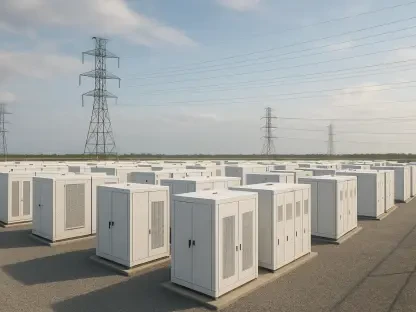
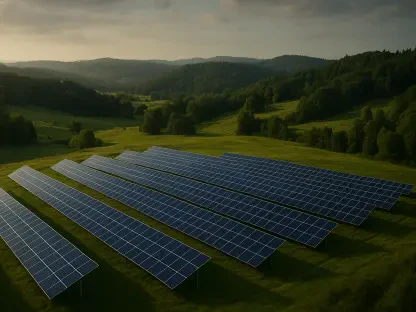
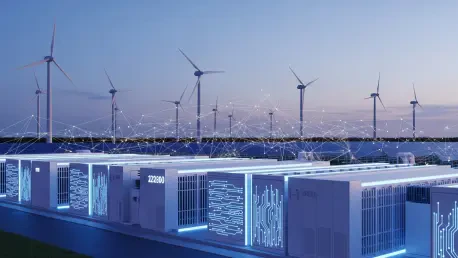
The stability of the national electricity grid is increasingly threatened by the intermittent nature of renewable energy sources such as solar and wind power which fluctuate based on weather conditions. This initiative utilizes AI to bridge the gap between volatile green energy production and the constant demand of the modern economy by managing large-scale battery storage systems. These algorithms forecast weather patterns and energy production levels days in advance, allowing for the strategic storage of surplus energy that can be released during periods of low generation. Furthermore, the system can autonomously redistribute power during local outages, minimizing the impact of equipment failures or unexpected surges on the broader population. This proactive management of the grid reduces the reliance on fossil fuel-burning backup plants, which are typically inefficient and environmentally damaging. By creating a more responsive and intelligent distribution network, the initiative facilitates a smoother transition toward a carbon-neutral economy.
Stakeholders across the public and private sectors recognized the necessity of this massive capital injection as the primary means to achieve ambitious national climate targets by the end of this decade. Industry leaders moved quickly to integrate these AI modules into their existing operations, setting a precedent for regional cooperation and technological adoption. Looking ahead, the focus shifted toward expanding these capabilities into municipal smart city projects, where automated street lighting and climate control in public buildings could further reduce urban energy waste. Companies that participated in the early stages of this rollout successfully streamlined their overhead, allowing them to reinvest those savings into further research and development initiatives. It became clear that the path toward a sustainable future required a departure from traditional utility management in favor of data-centric, autonomous systems. Future considerations then centered on the standardization of these AI protocols across international borders to ensure that energy efficiency became a global benchmark.