
The global transition toward renewable energy has reached a critical juncture where the physical speed of deployment often fails to keep pace with the massive capital investments flowing into the sector. While solar technology has become significantly more efficient, the manual labor involved in mounting panels and managing large-scale utility sites remains a primary bottleneck for developers worldwide. To address these inefficiencies, GameChange Solar and SUNPURE have entered into a strategic collaboration aimed at integrating robotic automation directly into the installation and maintenance lifecycle of solar trackers. This partnership focuses on leveraging autonomous systems to handle repetitive, high-precision tasks previously reliant on human crews, thereby reducing safety risks and accelerating timelines. By combining GameChange Solar’s racking solutions with SUNPURE’s expertise in robotics, the industry is moving toward a digitized field operations model that ensures consistency across diverse geographic terrains and climates. This integration streamlines the construction process and sets a new standard for reliability, ensuring that hardware withstands the field while maximizing the return on investment for stakeholders.
The Shift Toward Autonomous Field Operations
Precision Engineering: The Role of Robotic Assembly
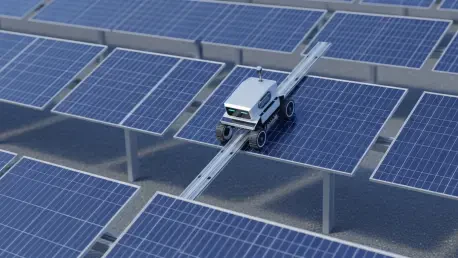
The integration of robotic modules into the Genius Tracker system represents a fundamental shift in how utility-scale projects are executed on the ground. These autonomous units navigate rows of racking with minimal supervision, placing and securing modules with a level of precision that human teams struggle to maintain over long shifts. This technical evolution is particularly relevant as sites move into remote environments where labor recruitment is difficult and housing logistics are expensive. The robotics suite developed through this collaboration utilizes advanced vision systems and machine learning to identify alignment issues in real-time, allowing for immediate corrections during installation. By automating the fastening phases, the partnership significantly minimizes physical strain on workers while ensuring every component meets strict torque requirements. This approach creates a predictable construction schedule, shielding project owners from labor market volatility and human error.
Operational Safety: Protecting the Modern Workforce
Beyond the gains in installation speed, the deployment of automated systems addresses the growing concern regarding workplace safety in high-heat and high-altitude solar environments. Traditional installation methods require workers to handle heavy, awkward panels for hours, often leading to musculoskeletal injuries or fatigue-related accidents that derail timelines. The introduction of SUNPURE’s robotic assistance tools allows for a hybrid workforce where humans oversee high-level coordination while machines perform the heavy lifting and repetitive fastening. This synergy not only protects the workforce but also allows for a 24-hour operation cycle in regions where daytime temperatures make manual labor nearly impossible during peak hours. As the industry scales from 2026 to 2030, the ability to deploy these robotic fleets will be the defining factor in whether developers can meet aggressive targets. The standardization of automated protocols ensures that a solar farm maintains high build quality regardless of labor conditions.
Optimizing Lifecycle Efficiency and Maintenance
Intelligent Upkeep: Robotic Cleaning and Monitoring
Once the solar modules are securely installed, the challenge shifts from construction to long-term performance optimization, where dust and debris can significantly degrade energy yields. The collaboration between GameChange Solar and SUNPURE extends into this operational phase by incorporating waterless robotic cleaning systems that traverse the tracker rows without human intervention. These robots are engineered to operate in arid climates where water is a scarce resource, using specialized brushes and airflow technology to remove soiling that would otherwise block sunlight. By scheduling cleaning cycles autonomously based on local weather data and sensor inputs, the system ensures that the solar array operates at peak efficiency throughout its lifespan. This level of automation reduces the need for large maintenance crews and heavy vehicles on site, which in turn minimizes soil compaction and vegetation disturbance. The transition to a robotic maintenance model allows managers to shift focus from repairs to proactive optimization.
Strategic Implementation: Future Operational Standards
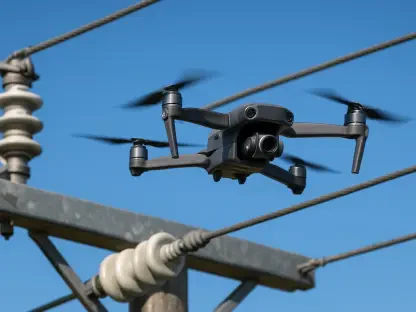
The strategic alliance demonstrated that the future of renewable energy infrastructure relied heavily on the seamless fusion of structural engineering and intelligent robotics. Industry leaders recognized that scaling solar capacity required a departure from traditional construction methods toward a more industrialized and automated approach. Developers who adopted these integrated systems early found that the reduction in soft costs and the improvement in energy harvest provided a significant competitive advantage. Moving forward, the industry prioritized the development of interoperable standards for robotic systems to ensure that different hardware platforms could communicate effectively across a single project site. Technical experts suggested that the next logical step involved the integration of aerial drones with ground-based robots to create a multi-layered diagnostic network. This shift ultimately transformed solar farms into self-sustaining energy hubs where human intervention was reserved for complex decision-making. Stakeholders were encouraged to invest in workforce retraining programs to prepare technicians for new roles.