
Modern electrical infrastructures are currently facing an unprecedented convergence of extreme weather events, shifting consumer demands, and the rapid integration of renewable energy sources that challenge traditional manual management methods. This volatility has forced a radical rethink of how power distribution is maintained across vast geographical areas. Instead of relying on human operators to identify and remediate faults during a blizzard or heatwave, utility companies are now deploying sophisticated autonomous systems that act in milliseconds. These technologies do not merely react; they anticipate potential failures by analyzing petabytes of sensor data in real-time. This shift from a passive, centralized model to an active, distributed intelligence framework marks the most significant evolution in utility management since the inception of the grid itself. By embedding decision-making capabilities directly into the hardware of the network, providers are achieving levels of reliability that were once considered technically impossible.
Implementation of Self-Healing Network Architectures
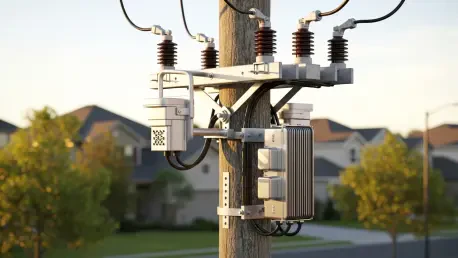
Automated Fault Location, Isolation, and Service Restoration (FLISR) protocols represent the vanguard of grid resilience by providing a self-healing capability that operates without human intervention. When a physical disruption occurs, such as a tree limb striking a line during a storm, smart reclosers and sensors immediately detect the change in electrical current. The system then executes a series of pre-programmed maneuvers to isolate the damaged section and reroute electricity through alternative pathways. This localized response ensures that the majority of customers remain powered while the specific fault is contained. Historically, such an event would have required a manual assessment by a field crew, often resulting in hours of downtime for thousands of individuals. Now, the transition from detection to restoration occurs in under sixty seconds, drastically reducing the System Average Interruption Duration Index (SAIDI) scores for utility providers across the nation.
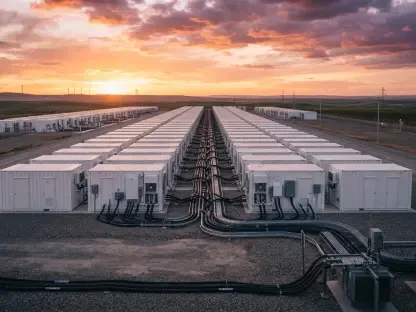
Building on this mechanical speed, the integration of Supervisory Control and Data Acquisition (SCADA) systems with advanced distribution management software allows for a more holistic view of network health. These automated platforms monitor load balances across different substations, adjusting voltage levels dynamically to prevent transformer overloads. In high-density urban environments, where the margin for error is razor-thin, automation acts as a digital buffer against cascading failures. If one substation begins to show signs of thermal stress, the automated system can preemptively shift the load to adjacent nodes before a hardware failure can trigger a wider blackout. This level of granular control is essential as the grid becomes more complex with the addition of electric vehicle charging stations and residential battery storage. The automation layer ensures that these new demands do not compromise the foundational stability of the existing infrastructure, maintaining a steady flow.
Balancing Variable Loads and Optimizing Assets
The transition toward a carbon-neutral energy mix has introduced a high degree of variability that traditional grid management tools were never designed to handle effectively. Solar and wind energy sources are inherently intermittent, creating rapid fluctuations in power supply that can destabilize local distribution lines if not managed with precision. Artificial intelligence algorithms are now employed to forecast these variations by correlating weather patterns with historical production data. By predicting a drop in solar output minutes before a cloud bank moves over a large-scale array, the grid can automatically ramp up fast-acting storage or secondary generation sources. This proactive balancing act prevents frequency deviations that could otherwise damage sensitive industrial equipment or residential appliances. The result is a more resilient network that can absorb the inherent instability of renewable resources while maintaining a consistent and high-quality power supply for all consumers.
The journey toward a fully automated utility grid required a fundamental shift in investment priorities and technical philosophy among industry leaders and regulatory bodies. Decision-makers prioritized the deployment of cyber-resilient communication protocols and reinforced the physical security of automated nodes to protect against emerging digital threats. Utility providers implemented comprehensive training programs for their workforce, ensuring that human expertise evolved alongside the sophisticated machine intelligence being deployed in the field. These strategic initiatives established a framework where technology and human oversight worked in tandem to stabilize the energy market. Moving forward, the focus shifted toward the universal standardization of data formats to facilitate seamless interoperability between different equipment manufacturers. This coordinated effort ensured that the grid remained a robust and adaptable foundation for economic growth, proving that automation was the most effective tool for navigating a complex energy future.