
The global maritime industry, traditionally defined by its reliance on manual labor and historical precedent, has reached a critical inflection point where digital intelligence is now the primary driver of operational success. This shift from reactive, intuition-based management to proactive, data-driven strategy is being catalyzed by the integration of artificial intelligence across every facet of sea-based operations. As vessels become more technologically advanced, they are transforming into sophisticated data hubs capable of processing vast amounts of information in real time to optimize performance and safety. This evolution is not merely a response to technological availability but a fundamental necessity born from increasingly complex global logistics and the urgent requirement for greater environmental accountability. By weaving machine learning into the fabric of maritime life, from high-level corporate planning to the daily routines of bridge crews, the industry is ensuring that ships are safer, cleaner, and more efficient than ever before. This digital transformation represents a major milestone in maritime history, signaling a move toward a highly synchronized and intelligent global trade network that leverages the full power of modern computing to navigate the challenges of the present era.
Navigating Regulations: The Path to Route Optimization
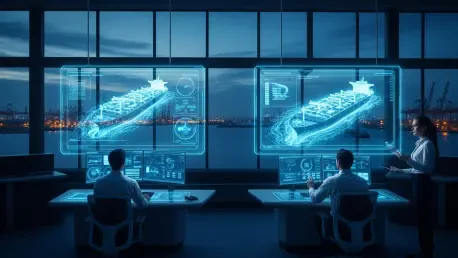
The implementation of the International Maritime Organization’s Net-Zero Framework marks a definitive turning point for the industry, mandating significant carbon reductions beginning in 2026. To meet these aggressive targets, companies are employing AI-driven predictive modeling to simulate various operational scenarios before a vessel ever departs from its berth. These digital twins allow shore-based teams to test different fuel blends, such as green methanol or ammonia, against specific engine configurations and voyage requirements. By analyzing the chemistry and consumption rates in a virtual environment, operators can determine the exact speed and power settings needed to stay within regulatory limits without sacrificing delivery schedules. This level of granular control is essential for avoiding the heavy financial penalties associated with non-compliance, which are set to increase as monitoring technology becomes more sophisticated. Beyond simple compliance, these AI systems provide a strategic advantage by identifying the most carbon-efficient ways to operate legacy fleets, effectively extending the lifespan of existing vessels while they transition toward newer, cleaner technologies.
Beyond the necessity of meeting legal requirements, AI is revolutionizing the physical path a ship takes through the water via highly advanced route optimization software. Traditional navigation systems often rely on static charts and periodic weather updates, but modern AI-driven platforms integrate real-time atmospheric data, ocean current patterns, and wave height predictions to calculate the most efficient trajectory. These systems can make instantaneous adjustments to a ship’s heading, allowing it to bypass storm fronts or take advantage of favorable currents that reduce engine strain and fuel consumption. For instance, a slight deviation from a Great Circle route might seem counterintuitive to a human navigator, but an AI can calculate that the reduction in hull resistance from calmer seas will lead to a net saving of several tons of fuel. This dynamic adjustment process not only lowers the carbon footprint of each voyage but also enhances the reliability of arrival times, which is a critical factor in the just-in-time supply chains that dominate modern global trade. By removing the guesswork from transoceanic navigation, AI ensures that maritime transport remains both cost-effective and environmentally responsible in an increasingly complex global landscape.
Maritime Safety: Enhancing Situational Awareness and Governance
Maritime safety is being fundamentally redefined through the deployment of AI-enhanced situational awareness tools that act as extra sets of eyes and ears for the bridge crew. Advanced sonar arrays, equipped with machine learning algorithms, are now capable of distinguishing between various underwater hazards, such as shifting sandbars, coral reefs, or migrating marine mammals, with unprecedented accuracy. These systems alert navigators to potential collisions far in advance, providing the necessary time to execute safe maneuvers in restricted waterways. Furthermore, the introduction of voice-recognition technology on the bridge is streamlining how officers interact with complex ship systems. Instead of being tethered to a console, an officer can issue verbal commands to adjust lighting, check engine temperatures, or confirm radar settings, receiving immediate auditory confirmation from the system. This hands-free approach is particularly valuable during high-stress maneuvers, such as docking or navigating through heavy fog, as it allows the crew to keep their focus entirely on the environment outside the windows. By reducing the cognitive load on human operators, AI significantly diminishes the risk of human error, which remains a leading cause of maritime accidents globally.
The move toward digital governance has replaced the fragmented, paper-based safety systems of the past with automated, real-time management platforms. These AI-driven systems monitor digital logs and maintenance records continuously, scanning for any deviations or non-conformities that might signal a lapse in safety protocols or a failure to follow international maritime codes. When a discrepancy is detected, whether it is a missed lifeboat drill or a delayed engine inspection, the system immediately flags the issue for the attention of both the ship’s captain and the shore-side management team. This proactive approach ensures that every vessel in a fleet remains in a state of constant readiness for port state inspections and adherence to the International Safety Management Code. Moreover, the integration of these digital platforms facilitates a more transparent relationship between shipowners and insurance providers, as the data provides an objective and verifiable record of a vessel’s safety history. By automating the bureaucratic aspects of maritime operations, AI allows the crew to dedicate more time to the physical upkeep and safe operation of the ship, creating a more robust culture of safety that permeates every level of the organization.
Operational Sustainability: Predictive Maintenance and Waste Reduction
In the cruise sector, AI is proving to be a powerful tool for environmental sustainability by addressing the massive challenge of food waste management. Sophisticated software now monitors passenger consumption patterns in real time, analyzing which dishes are most popular and which are frequently discarded across various dining venues on the ship. By applying these insights to the galley’s preparation schedules, chefs can adjust their production to match actual demand, drastically reducing the amount of surplus food that would otherwise be incinerated or discharged. This precision not only minimizes the environmental impact of the vessel’s operations but also leads to significant cost savings on provisions and waste processing. Some systems even incorporate computer vision at waste disposal stations to categorize and weigh discarded items, providing a detailed breakdown of waste sources that helps management refine their procurement strategies. These initiatives are part of a broader trend where every aspect of a ship’s hotel operations is being scrutinized for efficiency, ensuring that the luxury experience provided to passengers does not come at an unnecessary cost to the marine environment.
On the technical side, the shift from scheduled to predictive maintenance is significantly enhancing the reliability of marine propulsion and auxiliary systems. AI platforms analyze a constant stream of telemetry from vibration sensors, heat monitors, and oil pressure gauges to identify the subtle precursors of mechanical failure long before a component actually breaks. Instead of replacing parts based on a fixed number of operating hours, which often leads to either premature disposal or unexpected breakdowns, operators can now perform maintenance exactly when the data indicates it is necessary. This targeted approach is particularly vital for the high-pressure components found in modern LNG-fueled or dual-fuel engines, where precise timing can prevent catastrophic damage and keep emissions at their lowest possible levels. By ensuring that engines always operate at peak efficiency, predictive maintenance contributes directly to the fleet’s overall decarbonization goals. Furthermore, this technology reduces the need for ships to carry an extensive inventory of spare parts, as the system can predict what will be needed and ensure the necessary components are waiting at the next port of call, thereby streamlining the entire logistics chain for vessel upkeep.
Fleet Development: Shipbuilding and the Passenger Experience
The impact of artificial intelligence is felt long before a vessel even touches the water, as AI-driven tools are now central to modern shipbuilding and shipyard management. Building a large-scale commercial or cruise ship is an immense logistical challenge involving thousands of workers, millions of components, and tight deadlines. AI platforms are used to optimize construction schedules, predicting potential bottlenecks in the supply chain or labor shortages that could derail a project. By analyzing historical data from previous builds, these systems can provide highly accurate cost estimates and timelines, allowing shipyards to manage their resources with far greater efficiency. Additionally, AI is being used in the design phase to optimize hull forms for maximum hydrodynamics, using fluid dynamics simulations that are more complex than what traditional software could handle. This results in vessels that are inherently more efficient from the moment they are launched. In the shipyard environment, smart camera systems and wearable technology also monitor worker safety and quality control, ensuring that the high standards required for modern marine engineering are met at every stage of the assembly process.
Once a ship is in service, particularly in the passenger sector, AI continues to play a vital role in enhancing the guest experience and maintaining onboard security. Modern cruise ships use AI-powered apps to provide personalized recommendations for shore excursions, dining, and entertainment based on individual guest preferences and past behavior. This creates a more tailored vacation experience while also helping the crew manage the flow of people through different areas of the ship to prevent overcrowding. Behind the scenes, intelligent security systems utilize facial recognition and behavioral analysis to monitor public spaces, identifying potential safety concerns or medical emergencies in real time. These systems can alert security personnel to a passenger in distress or a person entering a restricted area far more quickly than traditional manual monitoring of hundreds of CCTV feeds. This integration of technology ensures that safety and service are seamlessly blended, providing a secure environment that allows passengers to focus on their journey. The culmination of these AI applications, from the shipyard to the final guest interaction, represents a holistic evolution of the maritime industry into a digital-first sector that prioritizes efficiency, safety, and satisfaction.
Strategic Evolution: Navigating the Digital Transition
The industry moved toward a paradigm where data became the primary currency of maritime success, necessitating a shift in workforce development. To capitalize on these technological advancements, operators prioritized the creation of cross-functional digital teams that bridged the gap between traditional maritime expertise and advanced data science. This evolution required the establishment of robust cybersecurity frameworks to protect the integrity of automated navigation and engine management systems from emerging digital threats. Leaders in the sector recognized that while AI provided the tools for optimization, human oversight remained the essential element for ethical decision-making and emergency response. Maritime academies updated their curricula to include AI literacy as a core competency, ensuring that the next generation of seafarers was prepared to interpret and act upon complex algorithmic outputs. These steps ensured that the transition to digital operations remained grounded in practical experience while maximizing the benefits of innovation. By embracing this change, the maritime community successfully addressed the dual challenges of regulatory pressure and economic demand, securing a more resilient path for global trade.
Future progress depended on the willingness of stakeholders to engage in industry-wide data sharing agreements to foster transparency and collective problem-solving. Organizations focused on standardizing communication protocols between different AI platforms, allowing for seamless integration across diverse fleets and port facilities. This collaborative approach accelerated the development of more autonomous vessel systems, which promised to further reduce operational costs and enhance environmental performance. Operators also turned their attention to the social implications of automation, working closely with labor unions to ensure a fair transition for the workforce through continuous learning and new career pathways. As these technologies matured, they provided the foundation for a truly circular maritime economy, where every resource was tracked and optimized to minimize waste. The successful integration of artificial intelligence into marine operations ultimately demonstrated that technological progress and environmental stewardship were not mutually exclusive goals. By continuing to iterate on these digital solutions, the industry maintained its position as the backbone of global commerce while significantly reducing its ecological footprint on the world’s oceans.