
Transitioning from Linear Television to a Versatile Wireless Data Utility
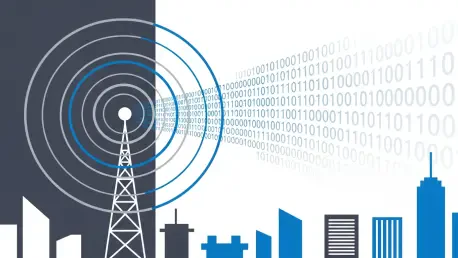
The sudden realization that a simple television tower can provide more reliable positioning data than a billion-dollar satellite constellation is fundamentally altering the strategic priorities of the global media landscape while simultaneously expanding the utility of terrestrial airwaves far beyond traditional entertainment. This metamorphosis represents a decisive pivot from traditional linear video delivery toward a sophisticated, data-driven ecosystem powered by the ATSC 3.0 standard. As viewers increasingly favor on-demand content and mobile accessibility, the standard—branded as NextGen TV—reimagines the traditional 6-MHz channel as a robust pipe for wireless innovation. This evolution ensures that broadcasters are not merely content providers but essential components of a modern digital infrastructure that supports everything from national security to precise timing.
Professional engineers and industry analysts note that the significance of this shift lies in its multifaceted application. Rather than competing solely with streaming giants for screen time, broadcasters are positioning themselves as vital partners in the broader telecommunications sector. By leveraging the physical properties of the UHF spectrum, which excels at penetrating walls and traversing difficult terrain, the industry is creating a unique value proposition that satellite and cellular networks often struggle to match. This strategic redirection is essentially a convergence of classic radio frequency engineering and modern software-defined networking, allowing stations to remain competitive in a landscape crowded by fiber-optic and 5G alternatives.
Engineering the High-Performance Infrastructure of NextGen TV
Precision Timing: Establishing a Resilient Terrestrial Alternative to Global Positioning Systems
A critical breakthrough in the ongoing transition is the emergence of the Broadcast Positioning System (BPS). Technical analysts observe that as modern society relies heavily on GPS for everything from financial transactions to power grid synchronization, the inherent vulnerability of satellite signals to jamming and atmospheric interference has become a significant liability. BPS utilizes the high-power, terrestrial signals of the new broadcast standard to provide a stable timing and location backup. Because these signals originate from ground-based towers rather than space, they possess the signal strength necessary to penetrate deep into urban environments and indoor spaces where GPS often fails.
While current technical trials demonstrate the viability of this system, industry leaders recognize that success depends on the densification of transmitter networks. A single high-power station provides a massive coverage footprint, yet terrain-based “dead zones” caused by mountainous geography or dense city skylines still present obstacles. To mitigate these risks, the consensus among engineering consultants suggests a collaborative approach where multiple stations transmit synchronized signals to create a seamless blanket of coverage. This terrestrial backup is increasingly viewed not just as a broadcast feature, but as a sovereign necessity for national security and economic stability.
Signal Reliability: Overcoming Reception Limitations Through Single Frequency Networks and Hybrid Solutions
The industry shift from the traditional “high-tower, high-power” transmission model to Single Frequency Networks (SFNs) is no longer an optional upgrade for those seeking to maintain relevance. To deliver reliable 4K video and high-speed data to mobile devices or indoor receivers, broadcasters are adopting SFN architectures that utilize multiple smaller transmitters to cover a single area. This transition is complicated by the aggressive expansion of 5G and 6G telecommunications providers, who are competing for the same limited tower space and infrastructure resources. To remain competitive, broadcasters must secure these tower positions immediately to ensure their signals reach the edge of their intended coverage areas.
Furthermore, engineers are exploring “broadband fallback” modes to ensure a continuous and uninterrupted user experience. This hybrid approach allows a receiver to switch seamlessly to an internet-based stream if the over-the-air signal is obstructed by a building or weather event. By ensuring that synchronization between the broadcast signal and the broadband stream is maintained, stations can provide a fail-safe service that combines the efficiency of one-to-many broadcasting with the reliability of point-to-point internet. This strategy protects the integrity of the viewing experience while maximizing the strengths of both delivery platforms.
Future Connectivity: Harmonizing Broadcast Signals with 5G via Software-Defined Architectures
One of the most disruptive innovations in the field is the integration of “Broadcast-to-Everything” (B2X) within the 5G core network. By leveraging Open Radio Access Network (O-RAN) principles, broadcasters can decouple their signal processing from specialized, proprietary hardware. This shift allows for more agile, software-defined operations that can be updated as quickly as the consumer electronics market evolves. This convergence enables television stations to act as wireless Content Delivery Networks (CDNs), offloading heavy data traffic—such as software updates for autonomous vehicles or popular live sports events—from congested cellular networks.
Technical researchers suggest that the business case for this integration is strong, particularly for data that needs to reach millions of devices simultaneously. By offloading this “one-to-many” traffic, cellular carriers can free up their networks for individual voice and data sessions, creating a more efficient overall ecosystem. However, the success of this strategy remains dependent on the widespread adoption of compatible consumer receivers and the eventual sunsetting of legacy broadcast standards. The industry is currently focused on demonstrating the economic value of this offloading capability to potential wireless partners.
Bandwidth Management: Navigating Bandwidth Optimization and the Complexity of Spectral Interference
As the airwaves become more crowded, engineers are forced to employ pragmatic solutions to maximize the utility of their limited spectrum. Innovative techniques, such as adjusting the horizontal resolution of older video formats, allow stations to maintain acceptable quality while packing more diverse content into a single channel. Subjective testing indicated that most viewers did not notice a significant drop in quality when these optimization techniques were used, providing a viable middle ground for stations looking to offer more services without acquiring more spectrum.
However, this optimization occurs against a backdrop of increasing interference challenges, particularly from the rise of low-power television (LPTV) stations. Navigating the regulatory and technical hurdles of spectrum allocation is essential to protect signal integrity, especially at the edges of a station’s coverage area. Ensuring that viewers in rural or underserved regions do not lose access to vital local services requires constant monitoring of the spectral environment. Technical experts emphasize that maintaining a clean signal is a continuous battle as new devices and stations fill every available corner of the radio frequency landscape.
Strategic Initiatives for Sustaining a Competitive Broadcast Workforce and Network
To successfully implement these technological advancements, the industry prioritized the modernization of both its physical infrastructure and its human capital. Broadcasters recognized that they could no longer afford to operate in isolation from the broader IT world; instead, they moved to adopt hybrid delivery standards that blend internet and RF signals for maximum reliability. By securing critical tower positions early, stations prevented themselves from being sidelined by cellular carriers. This proactive stance was essential for ensuring that the broadcast signal remained a dominant force in the wireless ecosystem.
Furthermore, solving the engineering talent shortage became a paramount objective for the sector. Industry organizations launched successful mentorship programs and revised compensation packages to attract a new generation of IT-savvy professionals. By fostering hands-on engagement and technical education through academic partnerships, the industry ensured it had the expertise required to manage the complex, software-driven systems of the modern era. These efforts created a resilient workforce capable of navigating the technical complexities of a multi-platform world, ensuring that the legacy of broadcast engineering would continue in a digital-first environment.
Solidifying the Role of ATSC 3.0 in the Global Digital Future
The arrival of ATSC 3.0 marked a definitive end to the era of broadcasting as a one-way, video-only medium. By integrating data delivery, national security utilities, and hybrid connectivity, the industry reinvented the 6-MHz channel as a versatile and indispensable asset. This transition demonstrated that television stations could provide more than just entertainment; they established themselves as providers of critical timing data and high-efficiency wireless distribution. The move toward a more resilient, software-defined broadcast model ensured that television remained a cornerstone of the modern communications infrastructure, bridging the gap between traditional media and high-speed data.
As these systems matured, the industry turned its focus toward long-term sustainability and global interoperability. Stakeholders agreed that the next steps involved finalizing international standards to ensure that consumer devices functioned seamlessly across borders. They also identified the need for continued investment in SFN densification to achieve the “deep indoor” coverage required for the next generation of mobile services. By focusing on these actionable solutions, broadcasters secured their relevance for decades to come, proving that terrestrial airwaves remained one of the most valuable resources in the digital age. This evolution confirmed that the future of broadcasting belonged to those who embraced flexibility and technical innovation.