
Cebu’s partnership with Japan aims to replace outdated disposal methods with modern industrial parks that prioritize resource recovery and environmental safety. The persistent accumulation of municipal solid waste in the region has long surpassed the capacity of local landfills, leading to environmental degradation and public health risks. As urban density increases, the traditional approach of burying waste has proven both ecologically disastrous and economically inefficient. To address this, local authorities have turned toward the Japanese model of Green Transformation (GX), which emphasizes the conversion of waste streams into energy and raw materials. This initiative is not merely a sanitation project but a comprehensive overhaul of the local utility infrastructure. By leveraging advanced Japanese incineration and recycling technologies, Cebu intends to transform its waste management system from a logistical burden into a sustainable economic asset. The transition requires a departure from old habits, focusing instead on a circular economy.
Infrastructure Development: Implementing High-Tech Waste Recovery
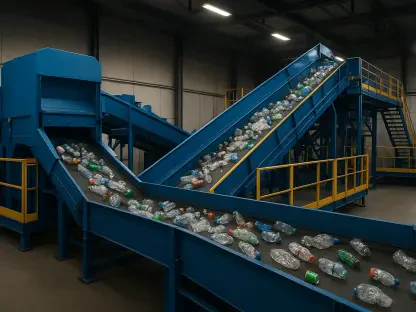
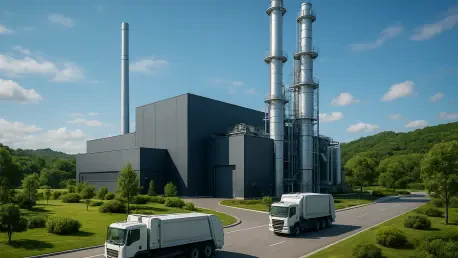
At the heart of the GX Parks initiative is the deployment of thermal treatment plants that utilize controlled combustion to generate electricity and heat. These facilities are equipped with state-of-the-art filtration systems that capture harmful pollutants and heavy metals, ensuring that emissions comply with the most stringent international standards. Unlike the controversial incinerators of the past, these modern waste-to-energy plants operate at temperatures high enough to break down toxic compounds, significantly reducing the volume of residues that ultimately require land disposal. The integration of high-definition optical sorters further enhances the efficiency of these parks by automatically identifying and separating plastics, metals, and glass from the general waste stream. This level of precision allows for a higher percentage of material recovery, which can then be processed into high-quality secondary raw materials for use in local manufacturing sectors, reducing the region’s reliance on imported raw materials.
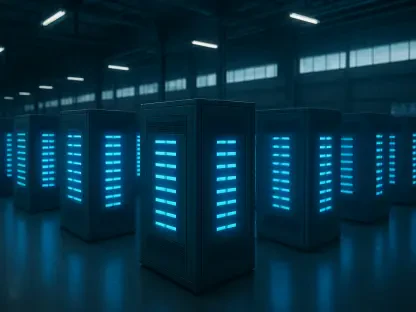
Beyond the technical aspects of waste conversion, the GX Parks serve as a testing ground for automated logistics and AI-driven monitoring systems. The implementation of smart sensors throughout the collection network ensures that waste is transported to the facility in a manner that optimizes fuel consumption and reduces traffic congestion within the city. These parks are designed to be self-sustaining, utilizing a portion of the energy they generate to power their own internal operations and local administrative offices. This localized energy grid provides a buffer against the volatility of the national power market, offering a more stable utility environment for surrounding businesses. Furthermore, the systematic management of biological waste through anaerobic digestion provides an additional revenue stream in the form of organic fertilizers and biogas. This multifaceted approach ensures that every component of the waste stream is captured and repurposed, effectively eliminating the concept of trash in favor of continuous utility.
Strategic Outcomes: Ensuring Long-Term Resilience and Compliance
The success of Japan’s GX model in Cebu depends heavily on the alignment of local policies with international best practices for resource management. Local government units have recognized that hardware alone cannot solve the crisis; it must be supported by a robust legal framework that incentivizes waste segregation at the source. This involves creating a standardized system for households and commercial enterprises to separate organic, recyclable, and residual materials before they enter the collection stream. The financial sustainability of these parks is further bolstered by public-private partnerships that allow for long-term operational stability without placing an undue burden on the municipal budget. By attracting Japanese investment, the region gains access to a wealth of operational knowledge and maintenance expertise that is critical for the longevity of high-tech facilities. This collaboration fosters a transfer of skills to the local workforce, creating high-value jobs in the emerging green economy and setting a new benchmark.
The initial phases of the GX Park implementation successfully demonstrated that high-tech interventions were viable in a tropical urban environment. The project directors established a series of rigorous benchmarks that tracked the reduction in landfill volumes and the increase in energy output throughout the first years of operation. Stakeholders analyzed the data to ensure that environmental safeguards remained effective, while community leaders monitored the social impact on informal waste pickers who were transitioned into formal roles within the new parks. The local administration finalized several key ordinances that mandated strict compliance with waste-to-energy protocols, effectively phasing out the use of uncontrolled dumpsites across the province. This transition period proved that a combination of Japanese innovation and local political willpower could fundamentally alter the trajectory of urban sanitation. The results confirmed that the shift toward a circular economy provided a scalable solution to the persistent waste challenges.