
The massive surge in artificial intelligence and the expansion of the digital landscape have effectively transformed the American power grid into a bottleneck for global innovation. As data centers evolve from localized server rooms into sprawling industrial complexes requiring gigawatts of power, the infrastructure once deemed sufficient is now facing an existential crisis of capacity. The Federal Energy Regulatory Commission (FERC) has stepped into this vacuum, attempting to rewrite the rules of engagement for an era where electricity is the most valuable commodity in the tech sector. This analysis explores the systematic shift in regulatory philosophy, moving away from reactive oversight toward a more aggressive, centralized management of transmission resources. By investigating the landmark policy pivots and the ongoing tension between federal mandates and state authority, stakeholders can better understand the framework that will govern energy distribution for the remainder of this decade.
The Evolution of Grid Governance and the Rise of Large Loads
Historically, the United States electrical grid functioned as a unidirectional system, designed to move power from massive, fossil-fuel-burning plants to predictable centers of residential and industrial consumption. This model thrived on stability and slow-growth projections that allowed utilities to plan infrastructure decades in advance. However, the last few years have introduced a volatility that the legacy framework was never intended to handle. The rapid decentralization of energy through renewables, coupled with the unprecedented “large load” demand from data centers, has exposed deep-seated flaws in grid governance. Regulation that once favored a cautious, stakeholder-driven approach now finds itself burdened by “zombie” dockets—regulatory filings that linger for years without resolution while the physical need for power grows exponentially.
Understanding this shift is critical because it explains why federal authorities are now abandoning the passive management style of the past. The demand for energy-intensive computing often exists without a clear physical path to connection, leading to a massive backlog in the interconnection queues that serve as the gateway to the grid. This misalignment between digital growth and physical infrastructure has forced FERC to prioritize “active management” over traditional consensus-building. By addressing the bottlenecks in the interconnection process, the commission is attempting to clear the path for the massive investments necessary to sustain the digital economy. This evolution marks a transition toward a more integrated national strategy, where the needs of the high-tech sector are no longer viewed as secondary to traditional industrial requirements.
The Regulatory Tightrope and Capacity Crisis
Balancing Federal Oversight: The State Jurisdictional Boundary
One of the most complex hurdles in reforming the grid involves the delicate division of power between federal regulators and state-level commissions. While FERC maintains authority over interstate transmission and wholesale energy markets, the National Association of Regulatory Utility Commissioners (NARUC) remains a staunch defender of state-level autonomy regarding local interconnections and retail rate protection. This jurisdictional friction is not merely a legal technicality; it represents a fundamental disagreement over who should bear the cost of the grid’s modernization. State regulators are primarily concerned with protecting residential and small-business consumers from “cost-shifting,” a scenario where the massive infrastructure upgrades required by tech giants lead to higher monthly bills for the average citizen.
To navigate this landscape, federal authorities have been working to craft “legally durable” solutions that can withstand the scrutiny of the courts while providing the speed the market demands. The challenge lies in creating a unified national standard for large-load interconnections without infringing on the rights of states to manage their own energy portfolios. Recent policy signals suggest a move toward more transparent cost-allocation models that require data center developers to contribute more directly to the system upgrades they necessitate. By establishing a clearer line of responsibility, FERC aims to reduce the likelihood of local pushback, ensuring that national energy goals are met without compromising the economic stability of local communities. This balance is essential for maintaining the public trust necessary for large-scale infrastructure projects.
The PJM Interconnection: Addressing a Dire Capacity Shortfall
The PJM Interconnection, which manages the power grid for a massive 13-state footprint, has become the primary theater for the current capacity crisis. Projections indicate a staggering 60 GW shortfall in the coming years, a deficit that has created significant friction between federal regulators and regional grid leadership. The urgency of the situation has led to a push for “backstop” procurement proposals, intended to secure roughly 15 GW of capacity to prevent regional instability and potential blackouts. While regional leaders have proposed a cautious, multi-phase timeline for these auctions, federal authorities and state governors have increasingly called for more aggressive, immediate action. This discrepancy highlights a growing impatience with traditional, slow-moving bureaucratic processes that are perceived as insufficient for the current crisis.
The stakes in the PJM region are particularly high due to the concentration of data center hubs in areas like Northern Virginia. If the grid cannot keep up with the load, there is a legitimate risk of utilities attempting to withdraw from Regional Transmission Organizations (RTOs) to secure their own local supplies, a move that could fragment the national grid and lead to systemic reliability risks. Federal regulators are now pressuring grid operators to move beyond stakeholder-driven delays and adopt more decisive procurement strategies. The objective is to create a more resilient market that can withstand the high-intensity demands of the AI sector while maintaining the stability required by the broader public. This regional struggle serves as a blueprint for how other grid operators across the nation might handle similar spikes in demand.
Technical Nuances: Modernizing the Interconnection Study Process
Beyond high-level policy disputes, the path to a reformed grid is paved with technical refinements to how energy projects are studied and approved. FERC has recently taken a more hands-on approach to micromanaging the “queue,” the administrative line where power projects wait for permission to connect. A key focus has been the regulation of “co-located” facilities, where massive data centers are built on the same site as power generation plants. While this approach can reduce the need for long-distance transmission, it introduces complex questions about how these sites interact with the broader grid. Standardizing the definitions for “system network upgrades” and ensuring that cost distribution is transparent among developers are now top priorities for the commission.
Furthermore, there is a significant push to integrate alternative transmission technologies into the earliest stages of grid planning. In the past, innovative solutions like advanced conductors or AI-driven grid management were often considered only as a last resort or delayed until the final stages of impact studies. New mandates now require grid operators to incorporate these technologies from the beginning, potentially saving billions in infrastructure costs and shaving years off project timelines. By forcing a more standardized and transparent study process, federal regulators hope to minimize the litigation and administrative disputes that currently clog the system. This technical modernization is designed to create a “stable and predictable” environment that allows the grid to adapt to new technologies as quickly as they are developed.
Emerging Trends and the Future of Energy Infrastructure
The trajectory of energy policy points toward a future where the requirements for entering the grid are significantly more stringent. We are likely to see a transition toward “ready” project requirements, where developers must demonstrate both financial and technical viability before they are even allowed to occupy a spot in the interconnection queue. This shift aims to eliminate speculative projects that provide no real value but consume valuable administrative resources. Additionally, technological innovations will play a larger role in maximizing the capacity of existing wires. Grid-enhancing technologies (GETs) and advanced conductors are expected to become the standard rather than the exception, allowing more power to flow through current corridors without the need for decade-long permitting processes for new lines.
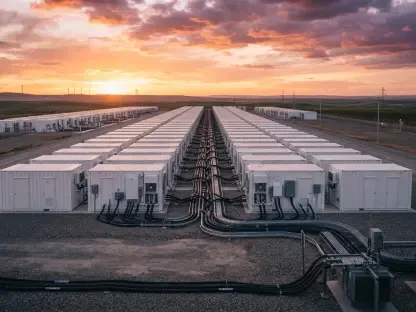
Looking further ahead, the relationship between “large load” consumers and the grid will likely become more symbiotic. Data centers may increasingly be required to act as flexible loads, reducing their consumption during peak times or utilizing on-site battery storage to support grid stability. Expert projections suggest that the regulatory decisions made in the current cycle will serve as the cornerstone for a new era of federal energy policy, one defined by active intervention and market discipline. As the industry moves into a “make it or break it” period, the emphasis will remain on ensuring that supply growth is strictly aligned with demand growth. This evolution toward a more disciplined and technologically advanced grid is the only viable path to sustaining the digital economy’s insatiable appetite for power.
Strategic Implications for Industry Stakeholders
For businesses and professionals operating within the energy and technology sectors, the current regulatory landscape demands a high degree of adaptability. The era of lenient, “first-come, first-served” interconnection queues is effectively over. Developers must now approach project planning with a focus on financial robustness and technical precision to avoid being purged from the system during regulatory cleanups. Transparency in cost allocation is also becoming a non-negotiable requirement, which should eventually lead to more predictable budgeting for major infrastructure projects. Staying informed on the shifting boundaries between federal and state jurisdictions will be essential for anyone involved in the permitting or development of high-capacity facilities.
Moreover, the industry should prepare for a more integrated approach to energy procurement. The traditional silos between power generation, transmission, and end-use are breaking down as regulators demand more coordination. Companies that proactively invest in grid-friendly technologies, such as on-site generation or sophisticated demand-response systems, will likely find themselves in a more favorable position during the interconnection process. For professional stakeholders, the key takeaway is that market discipline is being enforced more strictly than ever before. Success in this new environment will require a deep understanding of both the technical requirements of the grid and the evolving political priorities of federal and state regulators.
A Unified Vision for a Reliable Digital Grid
In summary, the Federal Energy Regulatory Commission navigated an era of unprecedented demand by tightening the rules governing the American power grid. The primary themes of the recent reforms involved balancing the rights of states with federal oversight, addressing immediate capacity shortfalls in critical regions like PJM, and standardizing the technical processes that bring new power online. This topic remained significant because the stability of the entire digital economy relied on the successful integration of energy-intensive infrastructure with a reliable and affordable power supply. The transition from passive oversight to active management was a necessary response to the speed of technological change.
Strategic insights from this period suggested that the most effective path forward involved a combination of regulatory discipline and technological innovation. Decision-makers learned that the grid could no longer be managed as a static asset, but rather as a dynamic system that required constant modernization. Actionable next steps for the industry involved the widespread adoption of grid-enhancing technologies and the implementation of more rigorous “readiness” standards for new projects. By ensuring that supply and demand grew in tandem, the commission provided a framework that supported both the public interest and the needs of the high-tech sector. Ultimately, the decisive actions taken by federal authorities helped secure the infrastructure necessary for the next generation of digital growth.