
The insatiable hunger of modern artificial intelligence has transformed the once-predictable American power landscape into a high-stakes arena where tech giants and utility providers fight for every available megawatt of electricity. This unprecedented demand stems from a transition in the digital economy that requires high-density computing clusters capable of operating around the clock. Unlike traditional industrial sites that scaled their power needs over decades, the current wave of hyperscale data centers arrives with immediate requirements for hundreds of megawatts, a volume that threatens to overwhelm existing transmission infrastructure. Consequently, the grid is no longer just a passive utility but a critical bottleneck that dictates the speed of technological innovation.
The Federal Energy Regulatory Commission (FERC) recently confronted this reality by issuing a series of “show cause” orders designed to overhaul how large-scale consumers integrate with the electrical grid. These orders represent a fundamental shift in regulatory philosophy, moving away from a passive observation of grid bottlenecks toward an active mandate for efficiency and transparency. This intervention was sparked by the realization that current interconnection queues are clogged with projects that may never reach completion, while viable, high-priority data centers wait years for a connection. The commission’s response signals an end to the era of incremental adjustments, forcing a radical reimagining of how energy is allocated across the United States.
At the heart of this regulatory movement is the need to address the “race for power” that has redefined the priorities of regional transmission organizations. The sudden pressure on the system has exposed vulnerabilities in how electricity is distributed and priced, leading to a scramble among developers to secure capacity before the grid reaches its breaking point. By initiating these formal proceedings, the commission has forced the nation’s largest grid operators to justify their existing practices. This high-stakes environment ensures that every decision made regarding interconnection rules will have profound implications for both the future of the digital economy and the stability of the American energy system.
The High-Stakes Scramble for Megawatts: The Era of AI
The transition from standard cloud storage to the intensive processing required by generative artificial intelligence has fundamentally altered the load profiles of modern data centers. These facilities now demand a constant, high-density flow of electricity that the current transmission system was never designed to provide on such a massive scale. As high-density computing outpaces grid capacity, the traditional “first-come, first-served” model of interconnection has become a liability rather than a fair standard. This paradigm shift has created a environment where the mere availability of power is now the primary factor in determining the success or failure of multi-billion-dollar technology investments.
The pressure on the American transmission system is no longer a localized issue confined to tech hubs like Northern Virginia; it has become a national concern affecting the entire grid’s operational integrity. Stagnant electricity demand, which characterized the previous decade, has been replaced by a sharp upward trajectory that traditional forecasting models failed to predict accurately. This sudden surge has left grid operators in a reactive posture, struggling to manage the influx of interconnection requests that far exceed the physical capacity of current power lines and substations. The resulting bottlenecks have not only delayed critical projects but have also increased the risk of system instability during periods of peak load.
In response to this growing instability, the “show cause” orders issued by the commission serve as a direct corrective to a landscape that had become too fragmented and inefficient to sustain growth. These orders require the major regional transmission organizations to prove that their current methods for managing large-load connections are just and reasonable. By demanding this accountability, the federal government is attempting to ensure that the rapid expansion of the digital sector does not come at the expense of the grid’s overall reliability. This regulatory intervention is the first step in a broader effort to synchronize the pace of technological development with the physical realities of energy transmission.
From Stagnation to Surge: Why the American Power Grid Faces a Crisis
For nearly twenty years, the American power grid operated under a regime of flat demand, as energy efficiency gains largely offset the growth of the population and the economy. This period of stagnation allowed utilities to delay major infrastructure investments and focus on maintaining existing assets. However, the explosion of cloud computing and the subsequent arrival of massive AI clusters have shattered this status quo, introducing a level of demand growth that the industry has not seen in generations. The historical context of flat demand has left the nation with a transmission system that is often outdated and incapable of absorbing the rapid addition of gigawatt-scale loads.
The Department of Energy played a pivotal role in accelerating federal intervention, recognizing that the “business as usual” approach to grid management was leading toward a significant economic crisis. The department directed the commission to establish a more robust framework for interconnection, citing the potential for massive bottlenecks to stall the transition to a modern digital economy. This push from the executive branch highlighted the urgency of the situation, as the disconnect between energy supply and demand became a matter of national economic security. Without a centralized effort to reform the interconnection process, the United States risked falling behind in the global race for AI supremacy.
One of the most pressing concerns arising from this surge is the potential for rising utility bills for everyday residential consumers. When massive data centers require expensive grid upgrades, there is a legitimate fear that the costs will be socialized across the entire ratepayer base rather than being borne by the developers. The current lack of transparency in how these costs are assigned has created an inequitable financial environment where small businesses and families could end up subsidizing the expansion of multinational tech corporations. Addressing this imbalance is a core objective of the new regulatory strategy, as the commission seeks to protect the financial interests of the public while still allowing for industrial growth.
Decoding FERC’s Strategy: Regional Autonomy and Modern Infrastructure
A critical component of the commission’s strategy is the rejection of a “one-size-fits-all” national standard in favor of customized regional solutions. Recognizing that the grid in California faces vastly different challenges than the PJM Interconnection in the Mid-Atlantic, the commission has empowered regional operators like CAISO and NYISO to develop rules that reflect their specific geographical and economic realities. This move toward regional autonomy allows for more precise management of transmission constraints and ensures that local energy policies are respected. However, it also requires a high degree of coordination to prevent a patchwork of regulations from creating unnecessary complexity for developers.
The mandate for the adoption of Alternative Transmission Technologies (ATTs) marks a significant step toward modernizing the grid without relying solely on the slow construction of new power lines. Technologies such as dynamic line ratings, which use real-time weather data to calculate the safe capacity of a wire, can unlock hidden capacity in the existing infrastructure. Furthermore, advanced power flow control devices allow grid operators to redirect electricity from congested lines to underutilized ones, effectively smoothing out the flow of power across the system. By requiring these technologies to be evaluated before expensive traditional upgrades are approved, the commission is forcing a more tech-forward approach to grid management.
To clear the significant backlog in interconnection queues, the commission is implementing strict “readiness requirements” to filter out speculative projects that often exist only on paper. In the past, many developers would submit multiple requests for the same project in different locations, effectively “squatting” on grid capacity and preventing legitimate projects from moving forward. The new rules require developers to provide proof of financeability and operational viability at earlier stages of the application process. This “readiness” screening is designed to ensure that only the most viable projects advance, thereby reducing the time and cost associated with interconnection studies for everyone in the queue.
Expert Insights: Jurisdictional Limits and Economic Protections
The commission’s decision to “stay in its lane” regarding state rights has been a point of significant discussion among legal and energy experts. There was an initial concern that federal intervention might overstep into the authority of state regulators, particularly concerning retail electricity sales and the siting of new facilities. However, the commission clarified that its orders are focused strictly on the wholesale transmission system, leaving the specific terms of retail delivery and state-level certification to the individual states. This jurisdictional clarity is essential for avoiding lengthy legal battles that could further delay the implementation of necessary grid reforms.
Perspectives from leadership within the commission underscore the gravity of the current moment and the need for decisive action. Chairman Laura Swett and Commissioner David LaCerte have both emphasized that the federal government is prepared to dictate remedies if regional operators do not provide adequate solutions within the mandated timeframe. This “carrot and stick” approach is intended to motivate grid operators to act quickly while maintaining a level of oversight that ensures “just and reasonable” outcomes. The message from the commission is clear: the era of slow-moving grid bureaucracy must end to accommodate the urgent needs of the modern economy.
Despite the comprehensive nature of these new rules, critics have pointed to a potential “Non-RTO” gap that could leave significant portions of the country vulnerable. Large regions in the Southeast and the West operate outside of the formal Regional Transmission Organization structure, meaning they are not currently subject to the same level of federal interconnection oversight. Experts worry that without a similar mandate for these vertically integrated utilities, data center developers in those areas will continue to face opaque processes and inconsistent cost assignments. Ensuring that the benefits of these reforms extend to all corners of the country remains a significant challenge for future regulatory efforts.
Navigating the New Interconnection Rules: Actionable Strategies for Project Success
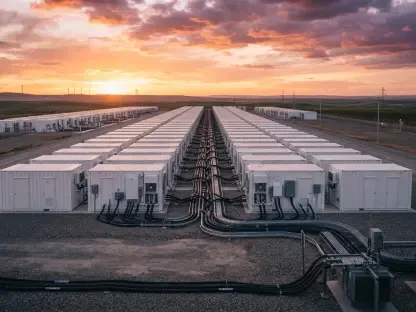
As the regulatory landscape shifts, project developers are beginning to utilize “flexible loads” as a primary strategy for gaining faster grid access. By offering to curtail power usage during periods of extreme grid stress or system emergencies, data centers can qualify for non-firm contract demand services that allow them to bypass some of the longest delays in the interconnection queue. This flexibility transforms the data center from a burden on the grid into a potential asset that can help manage peak demand. Utilizing this strategy requires sophisticated energy management systems and a willingness to integrate battery storage or on-site backup generation to maintain operations during curtailment events.
Developers must also become adept at managing the fragmented regulatory landscapes that exist across different regional operators. A strategy that works within the PJM Interconnection may not be viable in the Midcontinent Independent System Operator (MISO) region due to differing cost-recovery agreements and state-level siting requirements. Success in this new environment depends on a deep understanding of regional tariffs and the ability to negotiate “cost recovery agreements” that clearly define the financial responsibilities of the developer. Building strong relationships with both regional operators and state regulators has become as important as the technical aspects of the project itself.
To survive the new “readiness” screenings, developers are increasingly focused on the financeability and operational viability of their projects from day one. The days of speculative “paper projects” are over, and those seeking to secure grid capacity must now demonstrate significant capital commitment and site control early in the process. This shift favors established players with deep pockets and proven track records, but it also creates a more predictable and stable environment for all stakeholders. By leveraging battery storage and advanced load control systems, forward-thinking developers not only meet the new readiness benchmarks but also position themselves as reliable partners in the ongoing effort to modernize the American power grid.
The regulatory framework established by the commission marked a decisive turning point in the history of American energy management. It recognized that the rapid expansion of high-density computing required a more agile and transparent interconnection process than the previous models provided. By mandating the use of alternative transmission technologies and enforcing strict readiness requirements, the commission sought to eliminate the inefficiencies that had long plagued the national grid. These actions ensured that the infrastructure could support the next generation of technological growth without placing an unfair financial burden on the average citizen. Stakeholders across the energy sector aligned their strategies with these new realities, paving the way for a more resilient and responsive electrical system. The successful implementation of these reforms ultimately protected the country’s economic competitive edge while maintaining the fundamental reliability of the power supply.