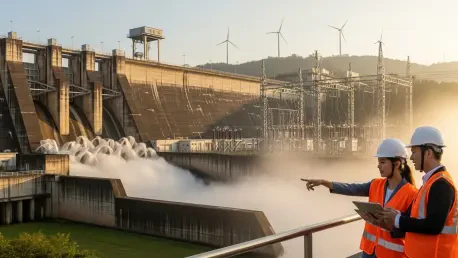

Persistent dryness blanketed the Missouri River basin in a way that reshaped both expectation and routine, with four consecutive years of shortfall tightening margins for power, navigation, and lake recreation while stopping short of a crisis. Federal managers reported that 83% of the basin was abnormally dry and 63% was in drought, a pattern tied to scant Plains snowpack, below-average mountain snowpack, and weak spring and summer precipitation. The system’s sheer expanse—about 530,000 square miles across multiple states and parts of Canada—complicated both forecasts and public messaging, yet the core theme remained balance: reduced amenities and moderated hydropower output alongside a reservoir network purpose-built for long dry spells. Officials pointed to the early 2000s as a deeper trough and noted that extremes still swung hard, as the 2024 Big Sioux River flood showed, even when regional maps stayed brown.
Power Output: Constraints, Tradeoffs, and Readiness
Hydropower from the Missouri River mainstem dams was projected to land about 20% below average this year as reservoirs sat lower than typical, forcing operators to conserve head and recalibrate daily peaking. The U.S. Army Corps of Engineers emphasized that turbines would continue to run, though plants might favor flatter generation to preserve flexibility for later months and for fish and wildlife needs. That approach also helped transmission planners manage voltage support and reserves when water was tight. In practice, utilities blended hydropower with thermal units and wind to meet peak hours, leaning more on market purchases during heat waves. The playbook drew on lessons from the early 2000s drought, when extended scarcity tested ramping strategies and spill priorities. At the same time, managers stressed variability: localized deluges could change tributary inflows quickly, as seen during the Big Sioux event two seasons ago.
Recreation and Access: Practical Adjustments on the Shoreline
Public guidance focused on what visitors could expect at lakes and river reaches, and the advice was concrete. Some boat ramps and marinas risked going dry, changing launch options and crowding serviceable sites; mariners were reminded that channel markers and sandbars shifted as levels fell. State agencies and the Corps posted ramp status updates, hydrographs, and safety notices, while the South Dakota Game, Fish and Parks Commission scheduled an outlook session to walk residents through near-term conditions. Local outfitters adjusted schedules, favoring shallow-draft craft and earlier departures to avoid afternoon winds that stranded trailers on exposed gravel. The path forward rested on steady monitoring, clear signage, and trip planning that accounted for low water. Operators encouraged carrying spare propellers, checking ramp elevations before driving long distances, and building extra time into itineraries, because predictable inconveniences were easier to manage than surprise closures.