
Small-scale solar installations under 30 kW represent a rare success story in the energy sector, consistently reaching the operational phase in about two months. This relative efficiency highlights a deep divide within the American power grid as larger distributed energy resources struggle to navigate a complex labyrinth of regulatory and technical hurdles. While homeowners see rapid turnarounds, industrial-scale projects and community solar farms are often caught in administrative limbo for years before ever producing a single kilowatt-hour of clean electricity. Recent comprehensive evaluations of applications across 188 utilities have illuminated the severe bottlenecks preventing larger green initiatives from coming online. As the nation moves toward a more electrified future, the discrepancy between small and large project timelines poses a significant risk to meeting decarbonization goals. These delays represent a fundamental systemic challenge requiring immediate and sustained attention from all stakeholders involved in the modernization process.
The Growing Divide: Complexity in Interconnection Timelines
Capacity Correlation: Why Project Size Matters
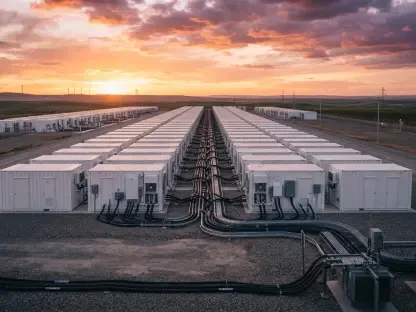
Data analysis from the 2026 period indicates that project size is the single most significant predictor of how long a facility will wait for permission to operate. For systems ranging between 500 kW and 1 MW, the wait time typically swells to a median of two full years, a staggering increase compared to residential setups. This duration nearly doubles for projects in the 1 MW to 5 MW bracket, which currently face a median delay of 45 months. The sheer scale of these wait times often outlasts the initial financial projections or technology cycles of the equipment involved, forcing developers to reconsider the viability of medium-to-large distributed generation. Even the burgeoning energy storage sector is not immune to these systemic drags; while the average battery project takes five months to clear the queue, larger storage systems between 1 MW and 5 MW often require over 26 months of rigorous testing and utility review before they are permitted to interface with the grid.
Storage Challenges: Integration of New Technologies
Beyond simple solar and storage, hybrid projects that combine multiple technologies have shown a surprising trend toward faster integration, maintaining an overall median timeline of four months. This suggests that while individual large-scale components face heavy scrutiny, integrated solutions might benefit from more streamlined engineering reviews or prioritized utility pathways. However, the broader reality remains that 76% of projects exceeding 100 kW are currently stalled in the queue without a definitive operational date, compared to a mere 8% for the smallest installations. This massive backlog creates a stagnant pool of potential energy that cannot reach the consumers who need it most, often due to the technical studies required for larger injections of power into aging infrastructure. The persistent nature of these bottlenecks indicates that the utility infrastructure was not designed to handle a rapid influx of significant distributed generation, leading to a slow approval process.
The Landscape: Regional Variances and Economic Impacts
Geographic Disparities: Measuring State Performance
The physical location of a project remains a decisive factor in its eventual success, with dramatic differences in efficiency noted across state lines. In markets like Washington and Arizona, small-scale systems under 50 kW are handled with speed, typically achieving interconnection within approximately 2.5 months. In stark contrast, states like Massachusetts struggle with similar projects, often requiring more than six months to complete the same administrative and technical steps. As project sizes increase to the 50 kW to 1 MW range, these regional gaps expand into vast chasms. While Arizona and Washington manage to keep these medium-sized project timelines under ten months, states like Rhode Island and New York frequently exceed 16 months of processing time. This lack of national standardization creates a fragmented energy landscape where the success of a renewable energy initiative depends more on specific utility protocols and state-level regulatory pressure.
Financial Obstacles: Infrastructure and Modernization Costs
Financial transparency remained an elusive goal for many researchers, as utility reporting regarding upgrade costs varied wildly across the country. Limited data sets from New York indicated that distribution upgrade costs scaled aggressively with project capacity, sometimes reaching as high as $383 per kilowatt for the most substantial installations. To address these persistent challenges, stakeholders identified a critical need for standardized reporting and the modernization of distribution grid modeling to accelerate technical reviews. It was determined that implementing automated application portals and pre-approved equipment lists provided a clear path toward reducing administrative friction for larger projects. Furthermore, the analysis suggested that utilities prioritized investments in grid visibility technologies to better manage the variable loads introduced by high-capacity resources. These shifts in strategy offered a structured approach to clearing the existing backlog.