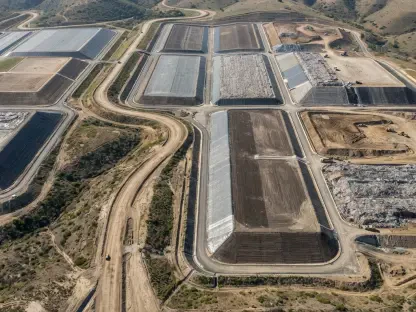

Environmental advocacy groups are leveraging the closure of the Bethlehem site to push for a systemic overhaul of the state’s waste strategy, focusing on diversion and composting. The announcement that Casella Waste Systems will cease operations at the North Country Environmental Services facility by December 31, 2026, signifies a pivotal shift in the regional disposal landscape. For decades, this site served as a critical hub for solid waste, but the depletion of air space combined with insurmountable zoning challenges has brought its lifecycle to an abrupt end. The facility currently handles waste for approximately 200 communities, and its early retirement creates an immediate pressure on local governments to find alternative solutions. This move reflects a growing trend across the Northeast where existing infrastructure is failing to keep pace with modern environmental standards and local opposition. As the site winds down, the focus shifts toward how the state will manage its refuse in an era of decreasing capacity.
Regulatory Pressures: The Struggle for Capacity
The closure of the Bethlehem site occurs against the backdrop of a significant capacity crisis that has been mounting across the Northeastern United States for several years. New Hampshire has historically acted as a major repository for waste, with nearly 40% of the material processed within its borders originating from neighboring states. This influx of out-of-state trash has become a primary point of contention for local residents and environmental advocates who argue that the state is bearing an unfair ecological burden. In response, legislative efforts have intensified, leading to a moratorium on new landfill expansions that will remain in place through 2027. This regulatory freeze aims to give the state time to develop a more comprehensive solid waste management plan that prioritizes reduction over burial. The mismatch between available disposal space and the volume of waste generated highlights a systemic failure to modernize the infrastructure before reaching this critical breaking point.
Legal and operational setbacks have also played a decisive role in the decision to accelerate the closure of the North Country Environmental Services facility. Earlier in the current cycle, the operator was forced to settle for nearly $2 million in civil penalties following allegations of regulatory non-compliance, including improper leachate management and unauthorized gas well drilling. Although a major court victory initially appeared to clear the path for a site expansion, local zoning boards successfully utilized municipal ordinances to block any further growth. This dynamic illustrates the increasing power of local governance in stalling large-scale waste projects that were once considered essential services. The legal friction has made continued operations in Bethlehem financially and politically untenable, prompting a strategic retreat from the site. As corporate entities face these mounting hurdles, the traditional model of landfill expansion is being replaced by a complex web of litigation and regulatory oversight.
Economic Consequences: Municipal Adaptation Challenges
The departure of the landfill operator will leave a substantial financial gap in the town of Bethlehem, which has long relied on the facility for significant annual revenue. Between property taxes and host community fees, the site contributed approximately $1.3 million every year to the local budget, supporting essential public services and infrastructure projects. Furthermore, the facility provided complimentary curbside waste and recycling collection for residents, a benefit that will now have to be replaced by taxpayer-funded contracts. This economic transition poses a difficult challenge for a municipality that must now reconcile the loss of its largest revenue source with the environmental benefits of the closure. While many residents celebrate the end of landfill operations, the immediate fiscal reality necessitates a difficult conversation regarding new tax assessments or service reductions. The town’s experience serves as a cautionary tale for other communities that have become economically intertwined with large-scale waste disposal operations.
Beyond the local financial impact, the 200 communities that utilized the Bethlehem site must now pivot toward a transfer and disposal model that involves significantly higher logistical costs. Without a central landfill in the northern region, waste must be hauled over much longer distances to reach alternative facilities, many of which are located outside of the state. This shift is expected to lead to a noticeable increase in municipal disposal fees, as transportation costs and fuel surcharges are passed down to local governments and private contractors. Additionally, the increased mileage for heavy trash trucks will contribute to higher carbon emissions, complicating the state’s broader environmental goals. The ripple effects of this closure demonstrate the interconnected nature of regional waste networks, where the loss of a single major node forces a reorganization of the entire system. Municipalities are now tasked with negotiating new hauling contracts in a market where disposal options are becoming increasingly scarce.
Strategic Evolution: Reallocating Capital and Infrastructure
In response to the tightening restrictions in New Hampshire, the waste management sector is strategically pivoting its capital toward more receptive markets where regulatory environments are more predictable. Casella has successfully secured expansion permits for facilities in New York, such as the Hakes and Hyland landfills, to offset the loss of capacity in the Granite State. This move suggests a broader trend where waste management firms are concentrating their infrastructure in states with more favorable political and regulatory climates, even as the Northeast as a whole struggles with a dwindling number of viable options. The reallocation of resources highlights the difficulty of maintaining a regional presence when local opposition and state-level moratoriums create high barriers to entry. By investing in existing sites in other jurisdictions, companies are attempting to maintain their service levels while navigating the political minefield of siting new greenfield projects in the highly contested New England corridor.
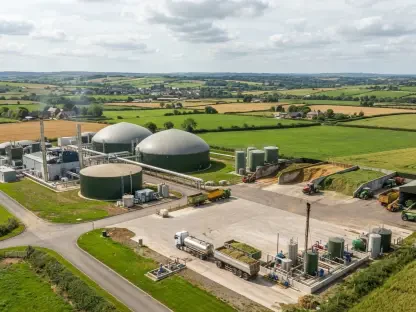
Stakeholders recognized that the resolution of the regional waste crisis required a fundamental transition toward diversion strategies such as composting and expanded recycling mandates. Leaders in the environmental sector argued that the closure of the Bethlehem facility provided the necessary momentum to implement a state-wide bottle bill and other waste-reduction policies. These measures sought to decrease the total volume of refuse entering the system, thereby extending the life of remaining landfills and reducing the need for new site development. The successful implementation of these programs offered a clear pathway for communities to achieve greater self-sufficiency while minimizing their ecological footprint. Moving forward, the focus shifted toward decentralized waste management solutions that integrated advanced sorting technologies and organic waste processing. By prioritizing resource recovery over simple disposal, the state established a more resilient model that addressed both environmental concerns and economic realities for the long term.