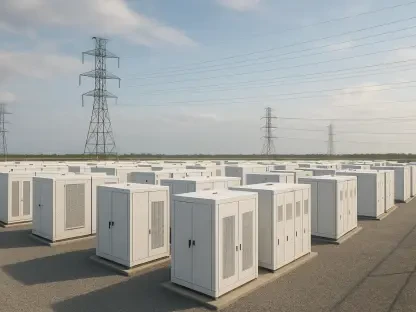

The rapid expansion of artificial intelligence infrastructure across the American Southwest has necessitated a radical rethink of how massive technology corporations compensate local utilities for their unprecedented power consumption demands. Microsoft has recently stepped forward with a groundbreaking proposal in Nevada, designed specifically to insulate residential energy users from the potential financial volatility associated with industrial-scale AI operations. This initiative comes as NV Energy, the state’s primary utility provider, grapples with the logistical challenges of supporting a burgeoning digital economy while maintaining affordable rates for the average citizen. By suggesting a distinct tariff structure for data centers, the tech giant aims to create a sustainable financial firewall between its specialized computational needs and the public grid. This move reflects a broader industry trend where hyperscale cloud providers must negotiate more complex regulatory frameworks to ensure their growth does not come at the direct expense of local residents.
Economic Safeguards: Decoupling Industrial Growth From Household Costs
Under the proposed tariff framework, the intensive energy requirements of generative AI models will no longer be cross-subsidized by standard residential or small business customers. In traditional utility models, large-scale infrastructure upgrades often distribute costs across the entire ratepayer base, which can lead to significant monthly bill increases for families. Microsoft’s proposal seeks to circumvent this traditional approach by establishing a dedicated class of service for high-density computing facilities that accounts for their unique load profiles. By isolating these costs, the utility can invest in the necessary high-voltage transmission lines and substation upgrades required for data centers without burdening those who do not benefit directly from these technical advancements. This strategy represents a significant shift toward a more equitable distribution of infrastructure expenses, ensuring that the primary beneficiaries of technological expansion are the ones bearing the associated capital costs.
Beyond mere cost isolation, this proposed energy structure emphasizes long-term stability for Nevada’s power grid by introducing more flexible pricing mechanisms for large tech occupants. These mechanisms allow for dynamic adjustments based on real-time grid conditions, encouraging data centers to modulate their power usage during peak demand periods or high-stress weather events. Such granular control over industrial consumption helps prevent the systemic strain that often leads to blackouts or brownouts in rapidly developing urban corridors. Furthermore, this approach incentivizes the integration of dedicated renewable energy sources, as the tariff structure can be paired with requirements for off-site solar or wind procurement. As a result, the state can foster a robust technology sector while simultaneously accelerating its transition toward a cleaner energy mix. This collaborative model between the private sector and public utilities sets a precedent for how other states might manage the arrival of energy-intensive industries.
Strategic Implementation: Navigating the Complexities of Energy Policy
Implementing such a sophisticated tariff system requires extensive cooperation between state regulators, utility boards, and private enterprises to define the exact parameters of fair market participation. The Nevada Public Utilities Commission must review the proposed rates to ensure they reflect the true cost of service while providing a competitive environment for ongoing digital investment. One of the primary technical challenges involves accurately measuring and forecasting the erratic power surges common in large-scale AI training cycles, which differ significantly from the steady consumption of traditional server farms. Microsoft has suggested utilizing advanced telemetry and AI-driven monitoring tools to provide the utility with more precise data, allowing for better management of the overall load. This transparency is crucial for maintaining trust between the various stakeholders involved in the state’s energy ecosystem. Moreover, the successful adoption of this model could provide a blueprint for similar initiatives in other developing regions.
The introduction of the proposed tariff marked a pivotal moment in the governance of industrial energy consumption by prioritizing the financial security of the general public. Stakeholders determined that the most effective path forward involved the immediate formation of a technical advisory committee to refine the billing metrics and grid interaction protocols for large-scale AI operators. This proactive measure facilitated a more transparent dialogue between utility providers and tech firms, which eventually led to the implementation of automated load-balancing systems across the state’s most critical nodes. Regulators successfully established a precedent where infrastructure development was directly tied to measurable community benefits and rigorous environmental standards. These actions ensured that the local energy landscape remained robust enough to support both the surging demands of advanced computing and the daily needs of every residential household. This collaborative approach provided a template for other jurisdictions to follow when balancing progress with social responsibility.