
Cloverleaf Infrastructure and NVIDIA are redefining industrial design by treating land, power grids, and computing hardware as a single integrated engineering system. As the computational demands for generative AI continue to soar, traditional methods of data center construction have hit a wall regarding electrical capacity and distribution. This collaboration marks a fundamental shift away from the siloed approach where facility construction and hardware procurement were separate timelines. Instead, the partnership leverages digital twin technology to simulate power ecosystems, ensuring that the local grid can handle the intense surges required by massive GPU clusters. By aligning energy availability with the specific profiles of NVIDIA’s hardware, the partnership addresses the critical delay between site selection and operational readiness. This strategic alignment ensures that AI factories are not just conceptual designs but viable realities that can be deployed with speed and efficiency.
The Engineering of Power-First Data Architectures
The integration process begins with high-fidelity simulations that allow engineers to visualize how electricity flows through the facility at different computational loads. Utilizing the NVIDIA Omniverse platform, developers can now model the interaction between power distribution units and the liquid-cooling systems required for high-density racks. This proactive modeling prevents the common issue of local grid instability, which often occurs when thousands of GPUs transition from idle to full processing capacity simultaneously. Furthermore, the partnership facilitates the implementation of advanced power management software that can throttle performance based on real-time grid conditions. This level of granular control is essential for maintaining the longevity of electrical components while maximizing the output of the silicon. By treating the data center as a dynamic consumer of energy, the collaboration ensures that the physical infrastructure can survive the rigorous demands of workloads.
Beyond the technical specs of the chips, the success hinges on Cloverleaf’s ability to navigate the complex landscape of utility interconnects and land zoning. Historically, the process of securing sufficient power for a data center could take years, often outlasting the technological cycle of the hardware it was meant to house. By pre-developing sites with the specific requirements of NVIDIA’s Blackwell and subsequent architectures in mind, Cloverleaf effectively creates a plug-and-play environment for compute clusters. This involves securing long-term power purchase agreements and investing in dedicated substations purpose-built for the high-voltage needs of AI infrastructure. The synchronization of hardware delivery with grid upgrades means that organizations can bypass the typical bottlenecks associated with municipal planning and utility bureaucracy. This logistical foresight allows for a more predictable rollout of AI services, providing a stable foundation for the massive capital investments.
Standardizing the Infrastructure for Global Deployment
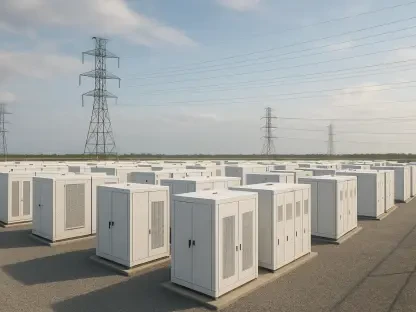
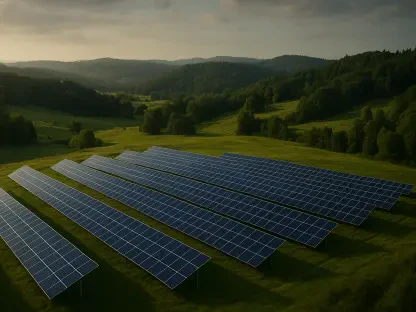
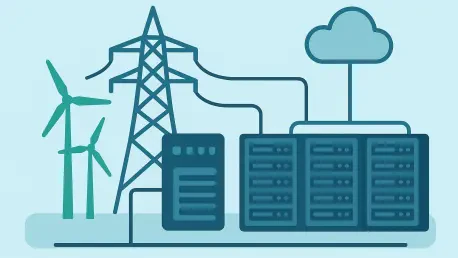
As the demand for AI expands globally, the partnership is exploring more decentralized and sustainable methods for powering these massive facilities. One primary consideration involves integrating renewable energy sources directly into the data center’s power scheme, reducing reliance on aging coal or gas-fired grids. This transition is supported by advanced energy storage systems that act as a buffer, smoothing out the intermittent nature of solar and wind power. By deploying these modular power solutions alongside the compute clusters, Cloverleaf and NVIDIA have demonstrated a blueprint for sovereign AI where nations can build independent, self-sustaining digital infrastructure. This approach not only mitigates the environmental impact of large-scale computing but also provides a more resilient network that is less susceptible to regional grid failures. The evolution of this strategy includes the potential for emerging energy technologies to be integrated directly into the design.
The collaboration established a new benchmark for how digital and physical assets are integrated to support the global intelligence economy. Stakeholders prioritized the early acquisition of power-ready sites and invested heavily in the simulation tools necessary to predict long-term energy needs. This shift in strategy addressed the immediate scarcity of high-voltage capacity and provided a clear roadmap for scaling operations across diverse geographic regions. Moving forward, companies adopted a holistic view of the supply chain, ensuring that energy procurement was as critical as the procurement of the chips themselves. The industry moved toward a standard where every new data center design incorporated a comprehensive energy resilience plan from the initial concept phase. By solving the power bottleneck through sophisticated engineering and proactive management, the partnership enabled a smoother transition into a world where high-performance computing is ubiquitous. These developments ensured that infrastructure was ready.