
The rhythmic pulse of the West Texas oil patch recently skipped a beat as state officials hit the brakes on a colossal electrical infrastructure project that threatened to reshape the horizon. This wasn’t just a routine administrative delay; it was a decisive pivot in a high-stakes standoff between the state’s energy titans and the people who call the rural landscape home. While the Permian Basin fuels much of the nation’s economy, the infrastructure meant to support it has run headlong into a wall of procedural frustration and local resistance. This conflict has forced a critical conversation about the cost of progress and the value of a single acre of Texas soil.
The hum of industrial progress in the Permian Basin hit an unexpected snag when the Public Utility Commission of Texas issued a rare, unanimous 5-0 vote to halt a major high-voltage transmission project. This specific project, focusing on a corridor running from east of Midland into the western reaches of the basin, serves as the opening act for a much larger theatrical production. The commissioners signaled that the days of rubber-stamping massive utility expansions might be over, at least until the full scope of the environmental and social costs is understood. For the landowners who spent months organizing against the lines, this vote provided a moment of silence in a process that had previously felt like a runaway train.
A Unanimous Standstill in the Heart of the Permian Basin
The decision to pause the Midland-to-Permian project highlights a rare alignment of regulatory caution and public outcry. This specific line was meant to be the first of several high-capacity pathways designed to feed the insatiable hunger of oil and gas rigs that define the region. However, the sheer size of the towers and the lack of comprehensive planning led to a backlash that regulators could no longer ignore. By hitting the pause button, the commission has acknowledged that the rush to electrify the oil patch cannot come at the expense of administrative transparency or local property rights.
The standstill has also created a logistical headache for the utilities involved, who argue that every day of delay puts the reliability of the regional grid at risk. Yet, the 5-0 vote suggests that the commissioners are prioritizing a more defensible regulatory framework over sheer speed. This move reflects a broader shift in the Texas energy landscape, where the traditional “drill and build” mentality is being challenged by a more nuanced approach to land use and community impact. The outcome of this specific case will likely dictate the flow of energy across the state for the next generation.
The High Stakes of Texas Energy Infrastructure
To understand the gravity of this pause, one must look at the explosive growth of the Permian Basin, where oil production skyrocketed by more than 430% over the decade leading into 2026. This surge has pushed the existing electrical grid to its breaking point, creating an urgent demand for the Strategic Transmission Expansion Plan (STEP). At the center of this controversy is the tension between maintaining the status of Texas as an energy powerhouse and respecting the property rights of its citizens. The outcome of this review will likely set the precedent for how the state balances industrial reliability with the preservation of its scenic and untouched lands.
Moreover, the reliability of the grid is no longer just a technical concern; it has become a central pillar of the Texas identity and economic security. As the oil and gas sector increasingly electrifies its operations to meet efficiency goals, the demand for stable, high-capacity power has moved from a luxury to a necessity. However, the push for expansion has often ignored the fact that the land required for these projects is not a vacant void, but a collection of legacy ranches and family homesteads that have existed for generations. This clash of interests has turned the rolling hills of West Texas into a primary battleground for the future of state energy policy.
Breaking Down the $33 Billion Blueprint
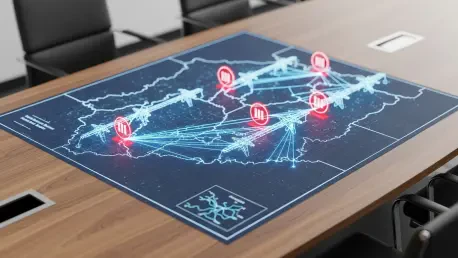
The scope of the proposed grid overhaul is staggering, involving more than 3,400 miles of extra-high-voltage power lines that would crisscross the state from the northeast to the far west. These aren’t standard utility poles; the plan calls for massive 200-foot towers that dominate the horizon and fundamentally alter the landscape for rural landowners. Financially, the burden falls on Texas ratepayers, who are expected to shoulder the estimated $33 billion cost of this modernization effort. Furthermore, a controversial 2023 law has compressed the regulatory review period to just 180 days, leaving affected residents feeling “fast-tracked” and silenced by a process that favors utility speed over public input.
The technical specifications of these 765-kilovolt lines represent the largest transmission standard in the United States, designed to move vast amounts of energy with minimal loss. While engineers marvel at the efficiency of such a system, those living beneath the wires see a different reality characterized by buzzing lines and devalued property. The truncated 180-day window has exacerbated these concerns, as it requires citizens to digest thousands of pages of complex engineering data and hire legal counsel within a timeframe that many describe as impossibly tight for a fair defense. The sheer magnitude of the investment demands a level of scrutiny that many believe the current system is simply not designed to provide.
Perspectives from the Front Lines of the Transmission War
The debate has drawn sharp lines between economic necessity and constitutional rights, with industry leaders like Todd Staples of the Texas Oil and Gas Association arguing that the expansion is essential for the modern way of life. For industry proponents, these lines are the arteries of the state economy, and delaying their construction is seen as a threat to prosperity and grid stability. On the other side, property rights advocates and legal experts like Brad Bayliff describe the current administrative hearings as an overwhelming and embarrassing venue for landowners. This friction has even reached the state capitol, where 42 lawmakers recently filed an amicus brief demanding a holistic review of the entire project.
The political pressure surrounding this issue has created an unusual alliance between conservative rural representatives and property rights organizations. These groups argued that the piecemeal approach to grid planning—where individual lines are approved one by one—intentionally obscured the true cumulative impact on the state. PUC Chair Thomas Gleeson acknowledged this pressure, noting that evaluating these interconnected lines individually might mask the true cumulative impact on the state. This realization has turned a technical utility matter into a major political flashpoint, forcing officials to reconsider the entire methodology used to justify these massive builds.
Navigating the Path Toward a Holistic Grid Strategy
The pause offered a window to transition from a piecemeal approach to a more transparent and comprehensive strategy. A primary goal for regulators was to determine if the five proposed transmission lines should have been reviewed as a single, unified build-out to ensure cumulative environmental and economic impacts were fully understood. For landowners and advocacy groups, the strategy involved pushing for a total stay on proceedings until the state Legislature could provide further guidance during the January session. Moving forward, the framework prioritized meaningful public engagement and a more realistic timeline that allowed for technical scrutiny without compromising the urgent reliability needs of the Permian Basin.
The decision to halt the project reflected a broader realization that the future of the Texas grid required a balance between industrial might and the fundamental rights of the people who inhabited the land. Legislators looked for ways to extend the review clock, ensuring that technical experts had the time needed to investigate alternative routes that bypassed sensitive ecological zones. This period of reflection allowed for the development of new protocols that prioritized transparency, ensuring that when the project resumed, it did so with a level of public trust that had been previously missing. By prioritizing a holistic overview, the state established a precedent that valued the integrity of the process as much as the outcome of the expansion.