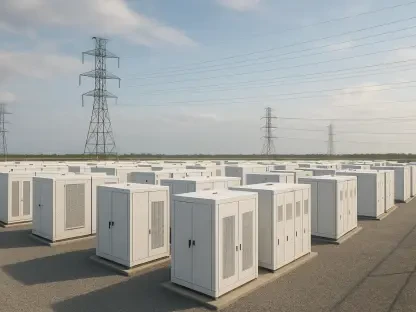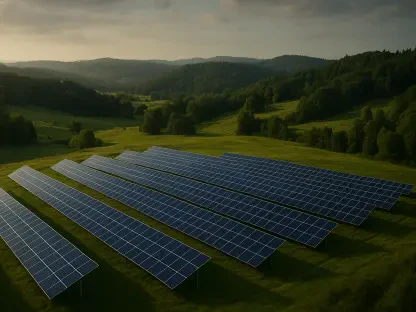

The global energy consumption attributed to large-scale artificial intelligence models has reached a critical threshold that threatens to derail international climate commitments aimed at reaching net-zero targets within the next decade. As the United Nations convenes a high-level summit on digital sustainability, the Secretary-General issued a stern directive to technology conglomerates, insisting on absolute transparency regarding the carbon footprints and water usage of their sprawling data centers. This demand follows recent findings that training a single cutting-edge generative model now consumes more electricity than thousands of households use in an entire year. The lack of standardized reporting has created a significant data gap, making it nearly impossible for policymakers to assess the true ecological cost of the current technological gold rush. Without immediate disclosure, the promise of innovation risks being overshadowed by the irreparable damage caused to the planet’s fragile ecosystems.
Policy Frameworks: The Transition to Mandated Transparency
Regulatory bodies are increasingly concerned that the voluntary disclosures provided by major tech firms are insufficient to meet the challenges posed by the rapid expansion of compute-intensive infrastructure. Current reporting practices often rely on selective metrics that highlight renewable energy credits while obscuring the absolute increase in total energy demand and the resulting strain on local power grids. The United Nations is now proposing a framework that requires detailed logging of energy sources, cooling water consumption, and the life-cycle carbon emissions of specialized hardware. This initiative aims to move beyond vague sustainability claims toward a verifiable accounting system that can be audited by third-party environmental agencies. By establishing a uniform baseline for environmental impact, the international community can better identify which architectural optimizations truly contribute to a greener digital future rather than just providing a temporary marketing advantage.
Moreover, the shift toward standardized reporting is expected to drive significant changes in how software engineers and data scientists approach model development and deployment strategies. When environmental costs become a visible and regulated part of the operational budget, there is a natural incentive to prioritize energy-efficient algorithms over brute-force scaling methods. This transition is already visible in the rise of smaller, more specialized language models that offer comparable performance for specific tasks with a fraction of the energy requirements. However, the Secretary-General emphasized that these local improvements must be part of a broader, industry-wide transparency effort to prevent “carbon leakage,” where high-impact workloads are simply moved to regions with less stringent environmental regulations. Real transparency requires a global view that captures the entire supply chain, from mineral extraction for chips to the final decommissioning of aging server racks.
Strategic Implementation: Resource Efficiency and Future Standards
The physical footprint of the artificial intelligence industry extends far beyond the digital realm, placing an unprecedented burden on physical resources such as freshwater and land. Data centers require millions of gallons of water daily for cooling purposes, often in regions already struggling with drought and fluctuating precipitation patterns due to climate change. This localized resource competition has sparked tensions between technology firms and local communities who fear that the prioritization of digital services will jeopardize their access to essential utilities. The United Nations directive specifically calls for a moratorium on data center expansions in water-stressed areas unless firms can demonstrate a net-positive water impact through advanced recycling and atmospheric cooling technologies. This approach forces a reconsideration of the geographic distribution of digital infrastructure, encouraging the use of waste-heat recovery systems that can provide heating to nearby urban residential areas.
Industry leaders and international organizations recognized that the only viable path forward involved integrating environmental considerations into the core design phase of all future projects. The Secretary-General’s call to action served as a catalyst for establishing a multi-stakeholder task force dedicated to developing open-source tools for real-time energy monitoring. Companies were encouraged to adopt a sustainability-first mindset, prioritizing hardware-software co-design to minimize idle power consumption and maximize throughput per watt. Additionally, the move toward localized, edge-based computing helped alleviate the pressure on centralized mega-facilities, distributing the energy load more evenly across the global grid. These strategic adjustments ensured that technological progress remained compatible with the preservation of natural resources. By fostering a culture of accountability and innovation, the global community successfully transformed the digital landscape into a model of responsibility.