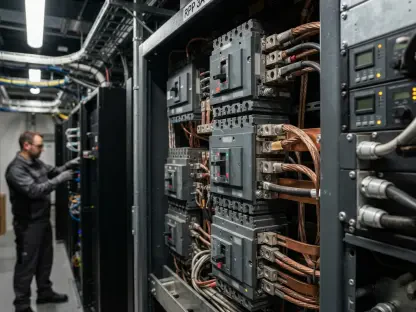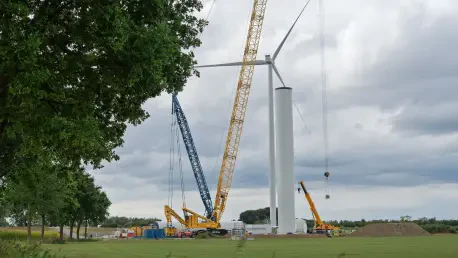

A 330 kV terminal and associated transmission lines are being constructed to bridge the gap between the remote Wheatbelt wind site and the South West Interconnected Network. This critical link represents the physical manifestation of Western Australia’s most ambitious renewable energy endeavor to date, the Parron Maam Marang Wind Farm. Located near Badgingarra within the expansive Wheatbelt region, this 470-megawatt facility marks the most significant wind energy construction commencement in the country since early 2024. As the state moves decisively away from a reliance on traditional fossil fuels, this project serves as a cornerstone for a cleaner and more secure energy future. With an expected operational date scheduled for late 2028, the wind farm is designed to harness the consistent coastal breezes of the north, providing enough zero-emission electricity to power 350,000 households. This massive undertaking is not merely about adding capacity; it is about redefining the regional energy infrastructure.
Advanced Infrastructure: Integration and Technical Specifications
The technical core of the Parron Maam Marang Wind Farm utilizes 78 Vestas V162-6.2 MW EnVentus wind turbines, which represent the pinnacle of modern Danish engineering. These advanced units are specifically designed to maximize energy yield in varying wind conditions, ensuring that the facility remains efficient throughout the day and night. By deploying this high-output technology, the project minimizes the physical footprint required to achieve its 470-megawatt capacity while maximizing the carbon-offset potential of the site. The selection of Vestas as the primary supplier reflects a proven track record in the region, building upon successful deployments at nearby facilities such as the Waddi and Warradarge sites. This continuity in technology allows for streamlined maintenance procedures and a deeper pool of local technical expertise familiar with these specific turbine models. Such precision in hardware selection is vital for maintaining the high availability rates necessary to meet the state’s growing demand for stable renewable power.
Beyond the turbines themselves, the successful integration of this energy into the broader South West Interconnected Network requires a massive investment in electrical infrastructure. A specialized A$135 million contract was awarded to the GenusPlus Group in September 2026 to oversee the comprehensive design and construction of the 330 kV terminal. This high-voltage hub serves as the essential gateway, transforming the energy captured by the turbines into a format compatible with the long-distance transmission lines that feed the Perth metropolitan area. The project also benefited significantly from a regulatory waiver granted by the Economic Regulation Authority regarding certain transmission network tests, which effectively expedited the timeline for grid connection. This proactive approach to regulatory hurdles demonstrates a shift in how utility-scale projects are managed, prioritizing speed and efficiency to ensure that infrastructure keeps pace with generation. By bridging the physical distance between the remote Wheatbelt and the city, the project ensures energy security.
Regional Impact: Economic Growth and Social Responsibility
The commencement of construction at the Badgingarra site has triggered a significant wave of economic activity throughout the Wheatbelt, creating a surge in demand for local labor and services. During the peak construction phase, the project is expected to support up to 400 jobs, ranging from specialized heavy-machinery operators to administrative support and site security. This influx of personnel provides a direct stimulus to local businesses, including hospitality providers, equipment rental firms, and logistics companies within the Shire of Dandaragan. Rather than relying solely on fly-in fly-out workforces, the project emphasizes the involvement of local contractors to ensure that the economic benefits remain within the community. This focus on regional engagement helps to build a more resilient local economy that is less dependent on traditional agricultural cycles. The project acts as a catalyst for professional development, offering residents the opportunity to gain valuable experience in the high-growth renewable energy sector, which is poised for expansion.
In addition to broad economic support, the project places a high priority on deep engagement with the Yued people, who are the Traditional Owners of the land where the wind farm is located. The development team has worked closely with First Nations leaders to ensure that the construction process respects the cultural heritage of the region and avoids impacting sites of spiritual significance. This collaboration extends beyond heritage management to include the creation of specific business opportunities for First Nations contractors and entrepreneurs. By prioritizing Indigenous-owned enterprises in the supply chain, the project contributes to the economic empowerment of the Yued community and helps to close the gap in regional employment outcomes. This commitment to reconciliation and social equity is a fundamental aspect of the project’s identity, demonstrating that the transition to green energy can also be a vehicle for social justice. By honoring the historical connection of the Traditional Owners to the land, the project builds a foundation of mutual respect.
Strategic Transition: Replacing Coal and Future Outlook
The Parron Maam Marang Wind Farm arrives at a critical juncture for Western Australia as the state moves toward the scheduled retirement of its final coal-fired power stations by 2030. This project serves as a high-capacity replacement for the retiring fossil fuel assets, ensuring that the South West Interconnected Network remains stable during this massive industrial transition. It does not stand alone, however, as it is part of a broader pipeline of renewable developments including large-scale battery storage systems like the 100 MW/400 MWh Merredin facility. By combining the variable output of wind generation with the stabilizing influence of advanced battery technology, the state is creating a sophisticated energy portfolio capable of meeting the demands of a modern economy. This diversified approach mitigates the risks associated with weather-dependent energy sources and provides a reliable baseline of power for both residential and industrial consumers. The strategic timing of this construction ensures that the new generation capacity will be fully operational well before the old coal units are deactivated.
In summary, the successful launch of the Parron Maam Marang Wind Farm established a new benchmark for infrastructure development in Western Australia. Stakeholders effectively integrated advanced Danish turbine technology with a robust A$135 million grid connection strategy, demonstrating that the primary challenge of the energy transition was as much about transmission as it was about generation. Moving forward, the project provided a clear template for how developers could secure social licenses by prioritizing indigenous partnerships and community benefit funds. This collaborative model between government agencies, private investors, and local residents successfully de-risked the massive capital requirements of the facility. As the state approached its 2028 energy milestones, the focus shifted toward optimizing the interplay between these wind assets and emerging storage technologies to ensure long-term grid resilience. The project ultimately proved that a rapid shift away from coal was achievable when technical excellence was matched with a genuine commitment to regional economic development.