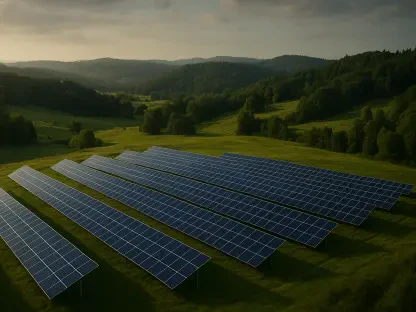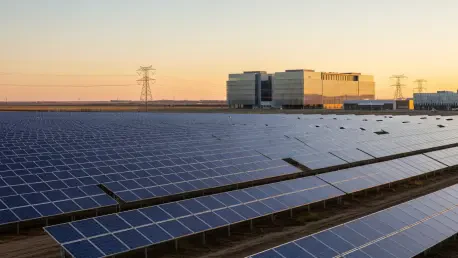

Every single time a digital user prompts a generative artificial intelligence to produce a complex image or refine a sophisticated line of computer code, a distant data center hums with an intensity that the aging electrical grid was never originally designed to support. This growing tension between the digital frontier and physical energy constraints has forced tech giants to move beyond simple carbon offsets. Meta’s recent move to secure 180 MWdc from the Palmera Solar Plant in Texas represents more than a corporate sustainability milestone; it is a defensive maneuver in an era where the hunger for processing power is outstripping the pace of energy innovation.
The current landscape of artificial intelligence necessitates a departure from passive environmentalism. As server farms expand to accommodate massive large language models, the underlying infrastructure must adapt or risk total obsolescence. Meta’s focus on securing dedicated power sources highlights a critical realization that the AI boom cannot survive on the crumbs of the existing utility market.
The High-Voltage Intersection of Artificial Intelligence and Renewable Energy
The surge in data processing requirements has fundamentally altered the relationship between software developers and energy providers. While software once required minimal physical resources, modern GPUs consume electricity at rates comparable to heavy industrial machinery. This shift creates a bottleneck where computational potential is limited not by code, but by the availability of clean volts on a local scale.
By investing in specific facilities like the Palmera Solar Plant, the industry is attempting to synchronize the growth of intelligence with the growth of generation. This intersection defines the next decade of development, where the ability to scale AI will be directly proportional to a company’s ability to build its own miniature energy ecosystems. The era of relying on general-purpose power grids to fuel high-density computation has passed.
Why Silicon Valley Is Pivoting to Utility-Scale Power Generation
The shift from social media dominance to AI leadership has fundamentally altered the tech industry’s environmental footprint. Traditional energy-saving measures are no longer sufficient to mitigate the carbon cost of modern chips. As Meta pushes toward a net-zero supply chain by 2030, the company is facing the reality that existing power grids cannot support their growth without a massive influx of new, clean generation.
This makes the transition to direct investments in infrastructure a necessity rather than a luxury. The AI boom threatens to derail long-term climate commitments if it remains tethered to coal-heavy or gas-reliant grids. Consequently, tech leaders are evolving into energy developers, taking an active role in the construction of the very grids they intend to use, ensuring that their expansion remains carbon-neutral from the ground up.
Analyzing the 1.4 Gigawatt Portfolio: Meta’s Multi-State Solar Strategy
The partnership with Zelestra represents a sophisticated diversification of energy procurement, spanning eight distinct projects across the United States. Rather than relying on a single geography, the strategy spreads risk and capacity across key regions to manage the volatility of solar output. In Texas, the Palmera Solar Plant and the 176 MWdc Skull Creek facility leverage the state’s massive solar potential to fuel high-density data centers.
In the Midwest, the 200 MWdc Reclamation Solar Project and the 81 MWdc Jasper County facility successfully introduced renewable capacity into traditional industrial hubs. By targeting a 2028 completion for the full 1.4 GWdc portfolio, Meta is attempting to time its energy availability with the projected peak of its AI infrastructure rollout. This multi-state approach ensures that as different data centers come online, the corresponding clean energy is already flowing into the local grid.
The Economic and Environmental Metrics of Large-Scale Decarbonization
Beyond the environmental impact, this renewable push functions as a massive regional economic stimulus. Large-scale solar projects like Reclamation and Skull Creek are projected to support approximately 400 jobs each during peak construction, demonstrating how corporate energy needs can revitalize local labor markets. These investments prove that the transition to a digital economy can have tangible, positive effects on physical communities.
Experts note that this additionality approach—where a company ensures its investment results in new energy being added to the grid—is the gold standard for corporate responsibility. This strategy does more than just balance a ledger; it acts as a catalyst for broader American grid modernization. By funding new projects, Meta is lowering the overall carbon intensity of the regional power supply for everyone, not just their own operations.
Implementing an Infrastructure-First Approach to Sustainability Targets
For organizations looking to replicate this strategy, the focus shifted from short-term compliance to long-term infrastructure development. This framework involved securing long-term power purchase agreements to hedge against energy price volatility while prioritizing projects that added new capacity to the grid. Geographic diversification became a primary tool for accounting for varying weather patterns and regulatory environments across different jurisdictions.
The successful implementation of this model required a deep alignment between sustainability goals and local economic interests. By focusing on job creation and grid stability, the strategy built the community support necessary for large-scale infrastructure. These efforts demonstrated that the path to 2030 was paved with physical steel and silicon, proving that the digital future was inextricably linked to the decarbonization of the material world.