
The unprecedented leap to an eighty billion dollar market settlement for the PJM Interconnection marks a definitive end to the era of cheap energy and stable grid management across thirteen American states. This massive financial shift represents more than just a fluctuation in utility bills; it is a structural warning that the physical and economic frameworks supporting the Eastern United States are reaching a breaking point. As the nation grapples with the dual pressures of a digital revolution and a necessary energy transition, the staggering costs emerging from the latest auction cycles serve as a clear indicator of a system-wide repricing event.
The primary objective of this exploration is to dissect the underlying causes of this fiscal surge and evaluate the potential for comprehensive grid reform. This analysis addresses the friction between stagnant infrastructure and explosive demand, particularly focusing on the implications for data centers and industrial electrification. Readers will gain an understanding of the specific market mechanisms, such as capacity and congestion costs, that are driving these historic figures. By examining the interplay of regulatory hurdles and technological gaps, the following sections provide a roadmap for navigating the complexities of a modern power market.
The Economic and Structural Re-pricing of America’s Largest Power Market
What Drove the Sudden Financial Surge Within the PJM Market?
The transition from a fifty billion dollar market to an eighty billion dollar landscape occurred because of a dramatic shift in how the grid calculates the value of reliability and resource availability. This surge is not distributed evenly across all sectors of the energy market; rather, it is concentrated in capacity costs and transmission congestion. Capacity payments, which ensure that power plants remain ready to generate electricity during peak demand, experienced a massive spike of nearly three hundred percent. This indicates that the safety margin between available generation and consumer demand has narrowed to a critical level, forcing the market to pay a premium for any guaranteed supply.
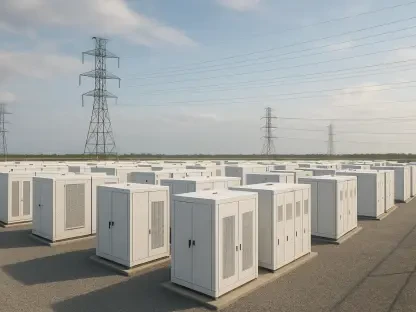
Moreover, the physical limitations of the existing wire infrastructure have become a costly liability for the entire region. Transmission congestion costs rose significantly because the grid cannot effectively move low-cost power from where it is generated to the high-demand urban and industrial centers. When the physical lines reach their capacity, the system must rely on more expensive, localized generation, leading to a massive “congestion tax” that ultimately falls on the consumer. These financial signals suggest that the grid is no longer just facing a supply shortage but a fundamental throughput crisis that requires massive capital investment to resolve.
How Does the Rise of Artificial Intelligence Impact Grid Stability?
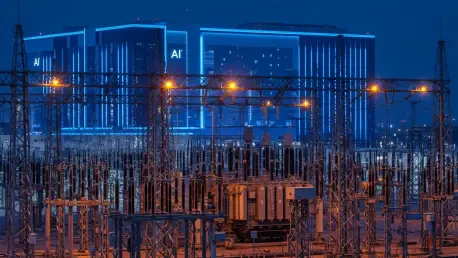
A massive demand shock has hit the power market as the global race for artificial intelligence leadership accelerates the construction of massive data centers. These facilities, often referred to as hyperscalers, require constant and immense quantities of electricity to operate the chips and cooling systems necessary for high-speed computing. This new load is unique because it remains consistently high throughout the day and night, unlike residential or commercial demand which fluctuates. This constant pull on the grid leaves little room for traditional maintenance or unexpected weather events, pushing the system toward a state of permanent stress.
In addition to the AI surge, the broader move toward electrification in transportation and residential heating is compounding the pressure on an already fragile infrastructure. Electric vehicle charging and the adoption of heat pumps are shifting the peaks of energy usage, often aligning with times when renewable generation is less predictable. The combination of these factors creates a scenario where demand is growing at a rate not seen in decades, while the administrative and physical processes to meet that demand remain stuck in a previous era. The result is a scarcity-driven environment where the price of electricity must rise to reflect the extreme difficulty of maintaining a balanced system.
What Role Does the Interconnection Backlog Play in the Current Pricing Crisis?
The single greatest obstacle to stabilizing energy costs today is the administrative labyrinth known as the interconnection queue. This backlog consists of thousands of energy projects, largely renewable and storage-based, that are waiting for permission to connect to the regional power grid. Because each project requires complex studies and potential upgrades to existing lines, the process has slowed to a crawl, preventing new supply from entering the market even as demand reaches record highs. This delay creates an artificial scarcity, keeping older and more expensive power plants in operation simply because there is nothing ready to replace them.
Furthermore, the permitting process for new high-voltage transmission lines is fraught with multi-state legal challenges and local opposition. Even when a generation project is approved, it may lack the necessary transmission pathways to deliver its energy to the market effectively. This creates a disconnect where billions of dollars in private investment are sidelined by bureaucratic inertia and a lack of interagency coordination. Until the permitting process is streamlined to match the speed of technological development, the grid will continue to suffer from high prices driven by the physical inability to integrate new, more efficient resources.
Can Regulatory and Technological Reforms Stabilize the Future Power Grid?
Addressing the eighty billion dollar crisis requires a combination of legislative action and the deployment of advanced grid technologies. Regulatory bodies are currently exploring expedited interconnection tracks that would allow projects to bypass certain bureaucratic hurdles if they are located at the sites of retiring power plants. This “co-location” strategy utilizes existing infrastructure and capacity rights, significantly shortening the time required to bring new generation online. Additionally, federal and state legislation is being drafted to establish firm timelines for environmental reviews, ensuring that critical energy projects are not trapped in decades of litigation.
In contrast to long-term construction projects, immediate relief can be found through grid-enhancing technologies that optimize existing power lines. Tools like dynamic line ratings and advanced power flow controllers allow operators to send more electricity through the current wires by monitoring real-time weather conditions and shifting loads automatically. These digital solutions can unlock significant capacity at a fraction of the cost and time required to build new towers. By integrating these innovations with structural market reforms, the power sector can move toward a more resilient and affordable model that supports both economic growth and technological innovation.
Summary or Recap
The escalating financial pressures within the PJM market signal a transformative period for the American power grid. The shift to an eighty billion dollar settlement is primarily fueled by a historic rise in capacity and congestion costs, reflecting a system that is struggling to keep pace with modern demand. The rise of artificial intelligence and widespread electrification has created a persistent need for high-volume, reliable power, while the supply side remains constrained by outdated permitting processes and an immense interconnection backlog. These factors combined have created a “new normal” of scarcity pricing that threatens to stifle economic development if left unaddressed.
Key takeaways involve the critical need for regulatory modernization and the adoption of smart grid technologies to bridge the gap between generation and consumption. Solutions such as expedited permitting, co-located energy resources, and grid-enhancing technologies offer a path forward to stabilize costs. These measures are not just optional upgrades but are essential requirements for maintaining a competitive edge in a global economy increasingly defined by energy-intensive technologies. Stakeholders must now focus on dismantling the administrative barriers that prevent a more agile and responsive energy infrastructure from taking shape.
Conclusion or Final Thoughts
The PJM financial crisis of recent years acted as a catalyst for a national conversation regarding the durability of the electrical system. It became clear that the old methods of incremental expansion were insufficient to meet the rapid deployment of high-density computing and the electrification of industry. Regulators and lawmakers were forced to reconsider the balance between environmental oversight and the urgent need for infrastructure speed. This period demonstrated that energy security is not merely a matter of fuel availability but is also deeply dependent on the agility of the regulatory framework and the intelligence of the physical network.
Moving forward, the focus shifted toward proactive planning and the integration of decentralized energy resources into the broader market structure. The lessons learned from the eighty billion dollar bill prompted a more aggressive approach to streamlining transmission approvals and incentivizing the use of digital monitoring tools. This evolution ensured that the power grid could finally support the ambitions of the technological sector without imposing an unsustainable burden on the public. By prioritizing flexibility and modernization, the industry established a more resilient foundation that aligned the physical realities of power generation with the growing demands of a digital society.