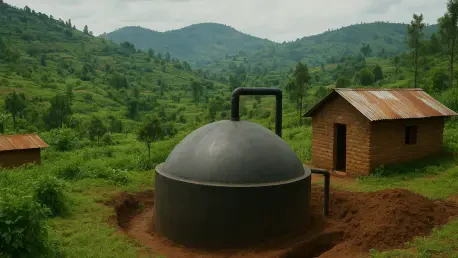

Rwanda’s national Biomass Energy Strategy aims to reduce household dependence on wood and charcoal from current high levels to just 42% by the year 2030. This ambitious target is finding its footing in the rolling hills of the Eastern Province, where a transformative biogas initiative is currently reshaping the lives of nearly 1,000 households. Supported by the United Nations Development Programme in collaboration with the Rwandan government and HomeBiogas Ltd, the project focuses on districts like Rwamagana, Ngoma, and Gatsibo. By replacing ancient, smoke-filled wood stoves with modern anaerobic digesters, the program converts basic livestock waste into a clean, renewable fuel source. This technological shift does more than just heat pots; it addresses the core of rural poverty and environmental degradation. As the country moves toward its energy goals, this initiative serves as a critical proof of concept for how localized, sustainable energy solutions can dismantle the cycle of biomass dependency while fostering immediate economic growth.
Economic and Agricultural Advancements
Financial Relief: Savings and Domestic Investment
The immediate financial impact of transitioning from traditional fuel to biogas is often the most palpable change for rural families. For decades, many households in the Eastern Province were forced to allocate a significant portion of their meager income to purchase firewood, with some spending upwards of 5,000 Rwandan francs every two weeks. This recurring expense acted as a constant drain on resources that could otherwise be used for education or home improvement. Since the installation of the biogas systems, beneficiaries have reported a near-total elimination of these costs, as the primary fuel source—cow dung—is a readily available byproduct of their own livestock. This newfound liquidity has allowed residents to invest in their homes in ways that were previously impossible. Many families have used the savings to purchase basic structural elements like durable doors and windows, marking a transition from subsistence living to a more secure and comfortable domestic existence.
Beyond the direct cash savings from fuel, the biogas initiative has introduced a robust circular economy to the homestead through its organic byproduct. The anaerobic digestion process produces a nutrient-rich slurry that serves as a high-quality organic fertilizer, effectively replacing expensive and often inaccessible chemical alternatives. For smallholder farmers in the Gatsibo district, this means they can enrich their soil health without incurring additional debts or relying on external supply chains. This natural fertilizer has been shown to improve crop yields significantly, creating a virtuous cycle where better-fed livestock produce the waste needed for energy and manure, which in turn produces more fodder and food. This integration of energy production and agriculture strengthens local food security and provides a buffer against the volatility of global fertilizer prices. By maximizing the utility of every resource on the farm, families are achieving a higher level of self-sufficiency.
Circular Farming: Organic Fertilizer and Yields
Public health remains a central pillar of the biogas transformation, particularly regarding the mitigation of chronic respiratory conditions caused by indoor air pollution. For generations, the tradition of cooking over open wood fires within enclosed spaces meant that women and young children were constantly exposed to toxic particulate matter and carbon monoxide. The introduction of smokeless biogas burners has fundamentally changed this hazardous environment, offering a clean-burning flame that leaves no soot on walls or in lungs. Beneficiaries have noted a dramatic reduction in eye irritation and coughing, leading to a visible improvement in the overall well-being of the household. This transition to clean cooking technology is not merely a convenience; it is a life-saving intervention that addresses one of the leading causes of premature death in rural areas. By removing the smoke from the kitchen, the project has restored safety and comfort to the heart of the home.
The environmental benefits of the biogas project are inextricably linked to the preservation of Rwanda’s natural landscapes and the mitigation of local deforestation. By drastically reducing the demand for firewood and charcoal, the initiative helps slow the depletion of vital forests that regulate the local climate and protect biodiversity. This shift aligns perfectly with the national objective of halving biomass reliance over the next few years. Furthermore, the availability of on-site fuel addresses the pervasive issue of “time poverty,” especially among women and girls who previously spent hours each day trekking across the countryside to forage for wood. This recovered time is now being reinvested into educational pursuits or agricultural labor, effectively unlocking human potential. The reduction in physical labor also prevents the chronic musculoskeletal injuries associated with carrying heavy loads of timber over long distances.
Social Inclusion and Technical Sustainability
Social Inclusion: Gender Roles and Accessibility
One of the most profound outcomes of the biogas initiative is its influence on traditional gender dynamics within the household. Historically, the labor-intensive task of managing a wood fire was viewed almost exclusively as a woman’s responsibility. However, the simplicity and cleanliness of a gas stove have lowered the barrier to entry for domestic chores, encouraging men to take a more active role in the kitchen. In districts like Ngoma, it is becoming increasingly common to see husbands assisting with cooking or preparing warm milk for the family, a shift that fosters greater cooperation and mutual respect between spouses. This change in behavior challenges long-held cultural stereotypes and eases the overall burden of housework on women. By making domestic tasks less grueling and more efficient, the technology serves as a leveling force, creating a more equitable distribution of labor that benefits the entire family unit and strengthens the social fabric of the community.
Inclusive technology design is a hallmark of this project, as it provides newfound independence for persons with disabilities who were previously marginalized by traditional cooking methods. For individuals with limited mobility or those who use crutches, navigating an open flame or heavy wood logs was often dangerous or impossible. The stability and ease of a simple gas valve allow these residents to prepare meals and hot beverages without assistance, restoring a sense of agency and dignity to their daily lives. Testimonials from the Eastern Province highlight how this accessible energy source has transformed the domestic experience for the elderly and those with physical impairments. By ensuring that the benefits of the energy transition are accessible to everyone, regardless of their physical abilities, the project promotes a model of development that is truly universal. This focus on social inclusion demonstrates that clean energy is not just a technical upgrade, but a vital tool for human rights.
Long-Term Viability: Maintenance and Credit Models
To safeguard the long-term viability of the installed systems, the initiative has established a comprehensive sustainability framework that addresses potential technical failures. Early operational reports identified challenges such as gas bag leaks and damage caused by prolonged exposure to intense ultraviolet radiation. To counter these issues, the project has prioritized the creation of localized service centers and the training of a dedicated corps of community-based technicians. These professionals are equipped to provide repairs and maintenance within a strict 48-to-72-hour window, ensuring that no household reverts to wood burning due to a mechanical breakdown. By reducing the “cost of distance” for spare parts and labor, the framework makes technical support both affordable and accessible. This proactive approach to maintenance shifts the focus from simple installation to permanent operationality, ensuring the infrastructure remains a reliable asset for the rural population well into the future.
Financial inclusion is the final piece of the sustainability puzzle, providing beneficiaries with the means to maintain their systems without relying on external aid. A monthly contribution model was proposed, where households pay a small fee of approximately 3,000 Rwandan francs to a collective maintenance fund. For dairy farmers, this process is streamlined through deductions from their milk sales, while others utilize community savings groups to pool resources. Additionally, a strategic partnership with Equity Bank opened doors for residents to access credit and savings packages without the need for traditional collateral like land titles. This financial cushion is essential for covering the costs of replacing major components once warranties expire. By integrating the biogas systems into the formal financial sector, the project empowered families to manage their energy needs as a sustainable business investment. This shift toward financial self-reliance is what defined the project’s long-term success.
The biogas initiative in the Eastern Province established a vital blueprint for how clean energy can catalyze rural development and environmental stewardship. Leaders like Governor Pudence Rubingisa and representatives from the UNDP recognized that providing technology was only the first step toward a broader societal transformation. They focused on building a resilient ecosystem that combined technical maintenance with financial empowerment, ensuring that the transition away from biomass became a permanent reality. However, as noted by technical advisers, the true measure of this achievement was found in the sustained daily use of the anaerobic digesters over several years. Future considerations must now focus on scaling this model to other provinces while continuing to refine user education and supply chain reliability. By synthesizing health, economic, and social goals into a single technological intervention, Rwanda moved closer to its vision of universal clean cooking. The project proved that when renewable energy was made accessible, it had the power to redefine the very nature of rural life.