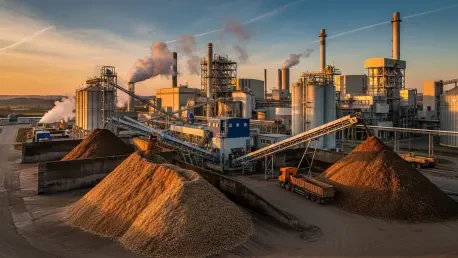

The pursuit of renewable energy sources has often led local governments into a complex dance between economic revitalization and the fundamental safety of their residents. In Allen Parish, Louisiana, this tension is particularly palpable as the region attempts to solidify its position within the global biomass supply chain while addressing persistent concerns regarding industrial hazards. The wood pellet industry, once hailed as a savior for timber-rich rural economies, now faces intense scrutiny from local advocacy groups and environmental regulators alike. These stakeholders demand more robust safety protocols and transparent air quality monitoring to prevent the catastrophic dust explosions and persistent respiratory issues that have historically plagued similar facilities. As international demand for sustainable fuel alternatives continues to climb, the pressure on local infrastructure to accommodate massive manufacturing footprints has intensified, leaving community leaders to grapple with the reality of high-stakes industrial operations. Balancing the lucrative nature of these contracts with the health and welfare of the parish population remains the central challenge.
Economic Integration: The Growth of the Biomass Sector
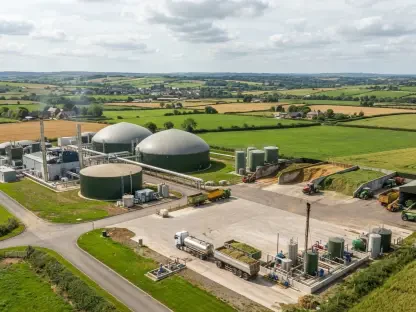
Biomass energy production represents a significant pillar of the regional strategy to transition away from fossil fuel dependence while leveraging the existing forestry infrastructure that defines the Louisiana landscape. By converting wood waste and low-grade timber into energy-dense pellets, facilities in Allen Parish provide a vital export commodity that serves European and Asian markets seeking to meet carbon reduction targets. This industrial activity generates hundreds of direct jobs and supports thousands more in the logging and transportation sectors, injecting much-needed capital into the local economy. Beyond employment, the tax revenue generated by these large-scale operations funds essential public services, including road maintenance and education, which might otherwise face severe budget shortfalls. The integration of biomass into the local economic fabric is seen by many as a logical evolution of the traditional timber industry, modernized to meet the demands of a global energy market that increasingly prioritizes carbon-neutral solutions.
The technological shift toward biomass as a renewable resource is driven by the urgent need to diversify energy portfolios and reduce the overall carbon footprint of power generation. Unlike wind or solar, biomass offers a baseload power solution that can be integrated into existing thermal power plants with relatively minor modifications. This versatility makes it an attractive option for utilities looking to phase out coal without compromising the stability of the electrical grid. In Allen Parish, the proximity to vast pine plantations provides a logistical advantage that reduces the carbon debt associated with transporting raw materials. The efficiency of modern pelletization processes has also improved significantly, allowing for higher energy yields from smaller volumes of wood fiber. Nevertheless, the rapid expansion of this sector has outpaced the development of comprehensive safety regulations, leading to a situation where industrial growth and public safety must be constantly rebalanced. As the industry matures, the focus must shift from simple production volume to the long-term sustainability and safety of the manufacturing process itself.
Safety Thresholds: Addressing Industrial Hazards and Pollution
The manufacturing of wood pellets involves complex thermal processes and the generation of fine organic dust, both of which pose significant risks if not managed with extreme precision. Combustible dust is a primary concern for residents living in the vicinity of these plants, as even small accumulations can lead to powerful explosions that threaten both workers and the surrounding infrastructure. Historically, the biomass industry has struggled with fire safety, particularly in storage silos and drying units where heat can build up unexpectedly. These incidents not only cause physical damage but also release plumes of particulate matter into the atmosphere, raising alarms about long-term respiratory health in the community. Advocacy groups have pointed to a history of recurring fires as evidence that current safety measures may be insufficient for the scale of operations now present in the parish. The psychological toll on the community is also considerable, as the sound of industrial alarms or the sight of smoke can trigger anxiety about the potential for a larger disaster.
The path forward for Allen Parish involved a concerted effort by municipal leaders, industry executives, and community advocates to establish a framework for safe and sustainable growth. This collaboration resulted in the adoption of standardized safety audits that exceeded state requirements, providing a new level of accountability for all biomass operators in the region. Local authorities prioritized the development of specialized emergency response training for fire departments, ensuring they were equipped to handle industrial-scale incidents unique to the pellet industry. Furthermore, the establishment of a community-led oversight committee facilitated a more transparent dialogue, allowing residents to voice their concerns directly to plant managers and receive documented responses. Moving forward, the focus remained on the deployment of advanced filtration technologies to further reduce particulate emissions and the implementation of real-time air monitoring stations. These proactive measures transformed the industrial landscape, proving that economic prosperity and public safety were not mutually exclusive goals when addressed with transparency.