
While global markets braced for an era of stagnant growth, the eurozone’s strategic pivot toward high-tech efficiency transformed a potential recession into a period of structural renewal. Modernization of infrastructure and increased defense spending have provided a necessary cushion for the region’s gross domestic product. This unexpected resilience comes at a time when international energy markets remain volatile, yet the European landscape is proving more adaptable than previously forecast. By integrating digital innovation and artificial intelligence directly into the industrial core, the bloc has managed to outperform growth projections that were once quite dismal. A fundamental shift in the production matrix is currently underway, prioritizing a transition toward renewable energy sources that effectively decouples economic output from the traditional reliance on fossil fuel imports. This transformation is not merely a policy goal but a functional reality where the region leverages technological superiority to mitigate the inflationary pressures that once threatened to derail the recovery. The synergy between high-tech software and hardware is creating a new economic standard.
Structural Shifts: Energy Consumption and Digital Growth
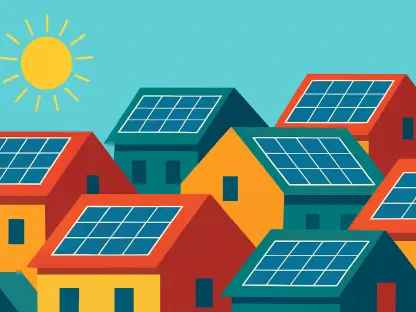
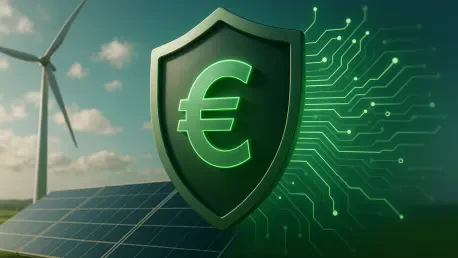
A significant driver of this newfound economic stability is the structural reduction in fossil fuel dependency across major manufacturing hubs. Since the early 1990s, the intensity of crude oil use in European production has decreased by half, a trend that has accelerated significantly from 2026 to 2028. The rapid integration of wind, solar, and nuclear power into the regional grid has finally begun to decouple electricity prices from the extreme volatility of natural gas markets. By establishing this operational safety net, the eurozone has effectively limited the direct impact of geopolitical supply shocks on the bottom lines of large-scale industrial producers. This shift allows for more predictable utility costs, which is essential for long-term capital planning in sectors like automotive manufacturing and heavy machinery. As these renewable sources become the baseline for the energy mix, the traditional vulnerability to external energy blackmail is replaced by a domestic, carbon-neutral infrastructure that prioritizes local generation over global imports.
Parallel to the energy transition, the explosive growth in the computer sector and the widespread implementation of artificial intelligence tools have emerged as vital economic engines. While traditional industrial sectors, such as steel production or conventional chemicals, have shown periodic signs of weakening, the high demand for high-end electronic components and data processing has preserved business dynamism. These digital tools provide companies with the specific flexibility needed to absorb temporary spikes in input costs through enhanced operational efficiency. For instance, AI-driven logistics and supply chain management systems allow for real-time optimization that was impossible just a few years ago. This digital automation is not just about labor costs; it is about the intelligent allocation of resources in real-time to ensure that productivity remains high even when external conditions are unfavorable. This transition toward high-value-added services and energy-efficient manufacturing marks a permanent move away from the older industrial models that defined the previous decade.
Strategic Outcomes: Fiscal Policy and Market Evolution
Beyond technological and environmental factors, government fiscal policy acted as a critical support pillar for the broader economy throughout this period. Public spending initiatives, particularly those focused on defense modernization and infrastructure upgrades in nations like Germany, reached approximately 0.5% of the region’s gross domestic product. These levels doubled previous estimates, reflecting a profound shift in how member states viewed their strategic independence and internal security. This influx of capital sustained domestic demand during periods when consumer confidence might otherwise have faltered due to inflation. However, monetary authorities remained cautious, warning that such heavy fiscal support was temporary in nature and could not replace genuine private-sector growth forever. The challenge lay in transitioning from state-led stimulus to a self-sustaining cycle of innovation and investment. Managing this hand-off was essential for ensuring that the stability did not evaporate once public coffers were tightened to meet fiscal rules.
Financial institutions and regulatory bodies implemented frameworks that incentivized the adoption of green technologies through targeted tax breaks and streamlined permitting processes for infrastructure projects. They also focused on the security of digital infrastructure, recognizing that an economy dependent on AI and cloud computing required the highest standards of cybersecurity to prevent systemic disruptions. These actions shifted the economic landscape from a reactive posture to a proactive one, where resilience was built into the manufacturing process. Future policy considerations emphasized the need for continued investment in research and development to maintain a leading position in the global green tech race. This strategic pivot ensured that the region not only survived the energy crises of the past but emerged as a dominant, high-value-added economy capable of weathering any future international supply shocks. By securing these technological foundations, the eurozone laid the groundwork for a decade of sustainable growth that remained decoupled from the traditional cycles of the global energy markets.