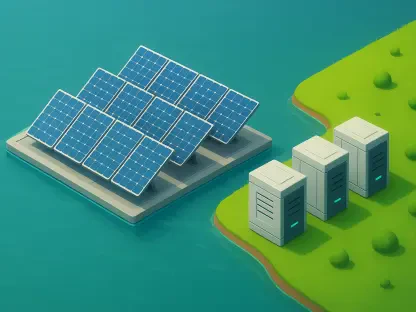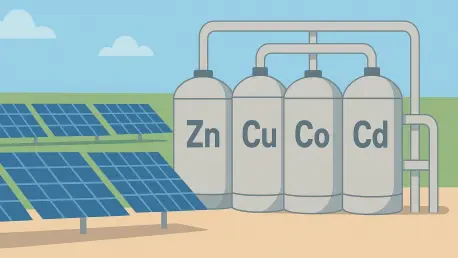

Integrating lithium-ion and zinc-based batteries allows power facilities to bridge the gap between peak solar production and nighttime demand cycles. As the quest for a fully decarbonized electrical grid intensifies, the industry has shifted away from a “one-size-fits-all” approach to energy storage. In West Virginia, the MN8 Energy project represents a blueprint for this new era, combining 86 megawatts of utility-scale solar with a dual-layered battery system. By pairing 280 megawatt-hours of traditional lithium-ion with 100 megawatt-hours of zinc-based long-duration energy storage, the facility addresses the intermittency of renewables with unprecedented precision. This specific configuration allows the plant to capture excess solar energy during the day and release it steadily throughout the night, ensuring a consistent and reliable flow of power to the grid. Such a strategic integration reflects a broader trend among utilities and independent power producers who recognize that the limitations of a single chemistry can be overcome through technological synergy.
Exploring the Synergy of Diverse Battery Chemistries
Short-Duration Performance: The Lithium-Ion Advantage
Lithium-ion batteries have long reigned as the gold standard for short-duration grid support, effectively serving as high-performance sprinters in the energy market. These systems are prized for their exceptional power density and rapid-response capabilities, allowing them to stabilize the grid within milliseconds during frequency fluctuations or sudden surges in demand. However, the economic viability of lithium-ion typically plateaus after four hours of discharge, making them less suitable for sustained overnight delivery. In the current 2026 landscape, energy developers are increasingly viewing lithium-ion as one part of a larger machine rather than a total solution. By utilizing these batteries for peak-shaving and immediate frequency regulation, grid operators can maintain stability while leaving the heavy lifting of multi-hour energy shifting to other, more cost-effective technologies. This division of labor ensures that the specific physical strengths of lithium-ion are utilized where they provide the most value.
Long-Duration Resilience: The Role of Zinc
In contrast to the quick-burst capability of lithium-ion, zinc-based long-duration energy storage operates like a reliable marathon runner, providing steady power over ten hours or more. These alternative chemistries offer significant safety advantages that are becoming paramount for large-scale installations, as they do not suffer from the thermal runaway risks that can lead to fires in traditional battery setups. Moreover, zinc-based systems utilize abundant, domestically sourced materials, which substantially mitigates the risks associated with volatile global supply chains and geopolitical tensions. By nesting these diverse technologies together on a single site, developers can optimize for both speed and longevity simultaneously. The lithium-ion component handles the “spiky” nature of grid demand and abrupt fluctuations, while the long-duration component provides the deep-cycle resilience needed for sustained energy delivery throughout the night. This dual-layered approach guarantees that clean energy is available exactly when it is required.
Corporate Demand as a Catalyst for Innovation
Energy Requirements: The Role of Data Centers
The surge in hybrid storage adoption is primarily driven by “hyperscalers” such as Google, whose massive data centers require an uninterrupted 24/7 supply of electricity to function. These facilities represent some of the most significant energy consumers in the world, and their commitment to reaching total carbon-free operation has forced a rethink of how renewables are procured and managed. Google’s involvement as the primary offtaker for the MN8 Energy project, through a 15-year commitment, serves as a powerful market signal to the rest of the industry. For these tech giants, the technical complexity of managing multiple battery types is a necessary trade-off for ensuring a dependable, local supply of green power that does not fluctuate with the weather. This demand for constant, carbon-free capacity is transforming the way energy projects are financed and built, moving the industry toward custom-engineered solutions that prioritize reliability over simple intermittent generation.
Infrastructure Constraints: The Interconnection Challenge
Beyond meeting sustainability goals, the shift toward hybrid storage is a pragmatic response to the ongoing “interconnection queue” crisis that has stalled many new projects across the United States. Many energy developers are currently facing delays of several years just to connect new generation assets to the central grid, which has made “behind-the-meter” or onsite solutions increasingly attractive for large-scale industrial users. By constructing dedicated hybrid systems that combine solar with multiple layers of storage, data centers can secure their own operational reliability independently of aging or congested public infrastructure. This self-sufficiency allows companies to bypass traditional grid bottlenecks and ensures that their facilities remain powered even during periods of extreme grid stress or transmission failures. As the demand for artificial intelligence continues to grow, this move toward localized, resilient power hubs is becoming the standard architecture for modern digital infrastructure.
Overcoming Market Obstacles and Future Trends
Revenue Certainty: Navigating Regulatory Barriers
Despite the technical logic behind long-duration storage, the technology has historically faced significant hurdles due to market structures that were originally designed for traditional fossil fuel plants. Most current electricity markets in the United States are optimized for short-term capacity and immediate frequency response, which naturally favors the rapid discharge profile of lithium-ion batteries. However, the rise of private bilateral contracts, such as long-term Power Purchase Agreements, is providing a viable path forward for long-duration technologies. These agreements allow corporate buyers to value energy reliability and carbon-free consistency directly, bypassing the limitations of the spot market where long-duration discharge is often undervalued. By offering revenue certainty to developers, these contracts are making it possible to secure the massive financing required for novel chemistries like zinc or flow batteries. This evolution in contracting is essential for de-risking new technologies.
Alternative Horizons: Beyond Chemical Batteries
The diversification of the storage landscape is not restricted to chemical batteries alone, as thermal storage solutions are emerging as vital partners to lithium-ion in the 2026 market. Innovators are now deploying systems that store energy as intense heat in inexpensive materials like carbon blocks or crushed rock, which can then discharge electricity or industrial heat over several days if necessary. These thermal systems are proving to be exceptionally complementary to lithium-ion, providing the bulk energy shifting that chemical batteries struggle to handle cost-effectively at very long durations. The industry consensus has shifted toward viewing the grid as a complex ecosystem where multiple technologies coexist to manage different time horizons. As developers gain more experience with these hybrid configurations, the “either-or” debate between lithium-ion and long-duration storage has dissolved into a collaborative engineering framework. This integration of storage is paving the way for a more robust infrastructure.
Grid Resilience: Future Steps and Considerations
The successful implementation of hybrid storage systems demonstrated that the transition to a carbon-free grid required more than just the addition of renewable generation. By moving past the limitations of single-battery solutions, the industry found a path toward a more stable and predictable energy supply that satisfied the rigorous demands of global tech leaders. It became clear that the integration of diverse storage chemistries was the key to unlocking the full potential of solar and wind power on a 24/7 basis. Stakeholders and grid planners were encouraged to adopt flexible regulatory frameworks that explicitly recognized the value of multi-hour discharge and grid resilience. Future investments should focus on standardized integration protocols to simplify the management of hybrid sites, while policy efforts must continue to support domestic supply chains for non-lithium materials. By embracing this diversified technological approach, the energy sector solidified a foundation that allowed for continuous industrial growth.