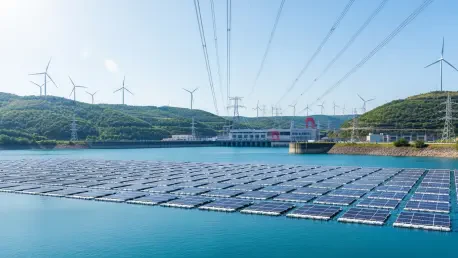

The European Union is currently grappling with a massive backlog of renewable energy projects that are ready for deployment but remain disconnected from the aging power grid. This pervasive gridlock threatens to derail international climate goals and introduces substantial financial risks for developers who find themselves stuck in a connection queue for several years. However, a recent and comprehensive analysis suggests that existing hydropower infrastructure could provide a vital shortcut to alleviate these bottlenecks. By hosting new wind and solar projects at current hydroelectric sites, countries can effectively bypass the immediate need for expensive and time-consuming new transmission lines. This strategic repurposing of existing assets offers a pathway to significantly speed up the transition to clean energy without waiting for a total overhaul of the continental power network. The potential for immediate integration is transforming how energy planners view traditional dams and reservoirs today. These facilities are now being reimagined as dynamic hubs that can anchor the next generation of renewable growth across the European landscape.
Optimizing Network Efficiency: The Role of Strategic Hybridization
Hybridization, which is frequently referred to in technical circles as cable pooling, allows multiple energy sources to share a single grid connection point with high efficiency. Most European hydropower plants currently operate at only a small fraction of their total design capacity, often functioning primarily as peaking plants that generate electricity only during high-demand hours in the morning and evening. By integrating wind and solar assets behind the meter at these specific locations, grid operators can maximize the use of existing hardware and ensure that the connection point remains productive throughout the entire day rather than sitting idle for extended periods. This approach transforms a single-purpose site into a multi-energy complex that stabilizes the flow of power to the broader network. It effectively utilizes the massive sunk costs already invested in turbines and high-voltage lines, making the entire energy system more resilient. This evolution represents a fundamental shift in utility management.
The efficiency gains resulting from this hybridized approach are substantial, with the potential to triple the usage of a single grid connection in certain regional scenarios. Recent research indicates that grid utilization rates could jump from a relatively low average of 19% to over 30% when solar and wind integrations are properly managed alongside hydroelectric turbines. This method is not only more cost-effective than initiating new network expansions from scratch but also allows renewable projects to go online much faster by avoiding the notorious wait times associated with traditional infrastructure permitting. Furthermore, using existing sites minimizes the need for additional land acquisition, which is often a significant barrier to large-scale green energy developments. By capitalizing on the electrical infrastructure that is already in place, developers can mitigate the financial uncertainty of long-term projects while delivering clean power to consumers with much greater urgency and reliability.
Regional Market Leaders: Technical Synergies and Policy Implementation
Several European nations, including Romania and Austria, stand to benefit significantly from adopting this integrated infrastructure strategy over the next few years. Romania could meet nearly 18% of its planned renewable capacity additions by leveraging its current hydroelectric assets, which is a crucial development given the country’s present lack of available transmission space in key industrial zones. Austria demonstrates even higher potential for this model, with the technical ability to house more than three-quarters of its upcoming solar and wind capacity at existing hydro sites. This regional focus highlights how established energy hubs can be repurposed to meet modern green energy targets without the political and environmental friction often caused by building new corridors. For these countries, the existing dam networks represent a pre-connected resource that is ready to absorb the intermittency of newer technologies. This allows for a more decentralized and robust grid.
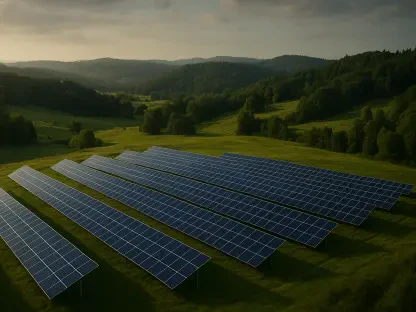
The technical compatibility between these diverse power sources is a major advantage, particularly when integrating solar energy into the mix. Since solar production naturally peaks during the middle of the day when many hydro plants are traditionally in standby mode, the two sources complement each other perfectly to maintain a steady output. Innovations such as floating solar arrays placed on reservoirs further enhance this synergy by saving valuable land and improving panel efficiency through the natural cooling effect of the water surface. Additionally, existing pumped storage facilities can act as massive batteries, storing excess solar energy by pumping water to higher elevations for later use when the sun sets or wind speeds drop. This cycle creates a closed-loop system of renewable reliability that reduces the need for fossil-fuel backups. The combination of these technologies turns seasonal water resources into a flexible buffer that responds to market demands in real-time.
The path forward was defined by a focused effort to integrate various renewable technologies into the pre-existing grid architecture. Grid operators prioritized the technical audits of every reservoir to determine their capacity for floating solar arrays and adjacent wind turbines. Legislative bodies took the necessary steps to standardize the legal definitions of hybrid facilities, which reduced the administrative burden for independent power producers. These actions proved that the rapid deployment of clean energy did not always require the construction of thousands of miles of new wires. Instead, the solution was found in the smarter application of current assets and the removal of regulatory barriers that hindered innovation. Investors eventually shifted their capital toward these high-efficiency hubs, acknowledging that the speed of connection was just as important as the cost of generation. This systemic change allowed the energy sector to meet immediate demand while protecting the balance of the environment.