
New Brunswick’s agricultural landscape is currently undergoing a significant transformation as the province explores the feasibility of utilizing livestock manure to meet a substantial portion of its natural gas needs. The shift toward renewable natural gas is driven by the dual goals of reducing carbon emissions and enhancing local energy security through decentralized production methods. If the region’s farmers fully embrace anaerobic digestion technology, current research suggests that manure could potentially supply up to 13 percent of the province’s total natural gas demand. This transition requires a coordinated effort between the dairy and livestock industries and the existing utility infrastructure to ensure that raw biogas is effectively captured, cleaned, and injected into the grid. Beyond the environmental benefits, such a program offers a path toward economic stability for rural communities by turning a waste product into a consistent revenue stream that supports the broader provincial energy transition.
Advancing the Technical Infrastructure for Renewable Gas
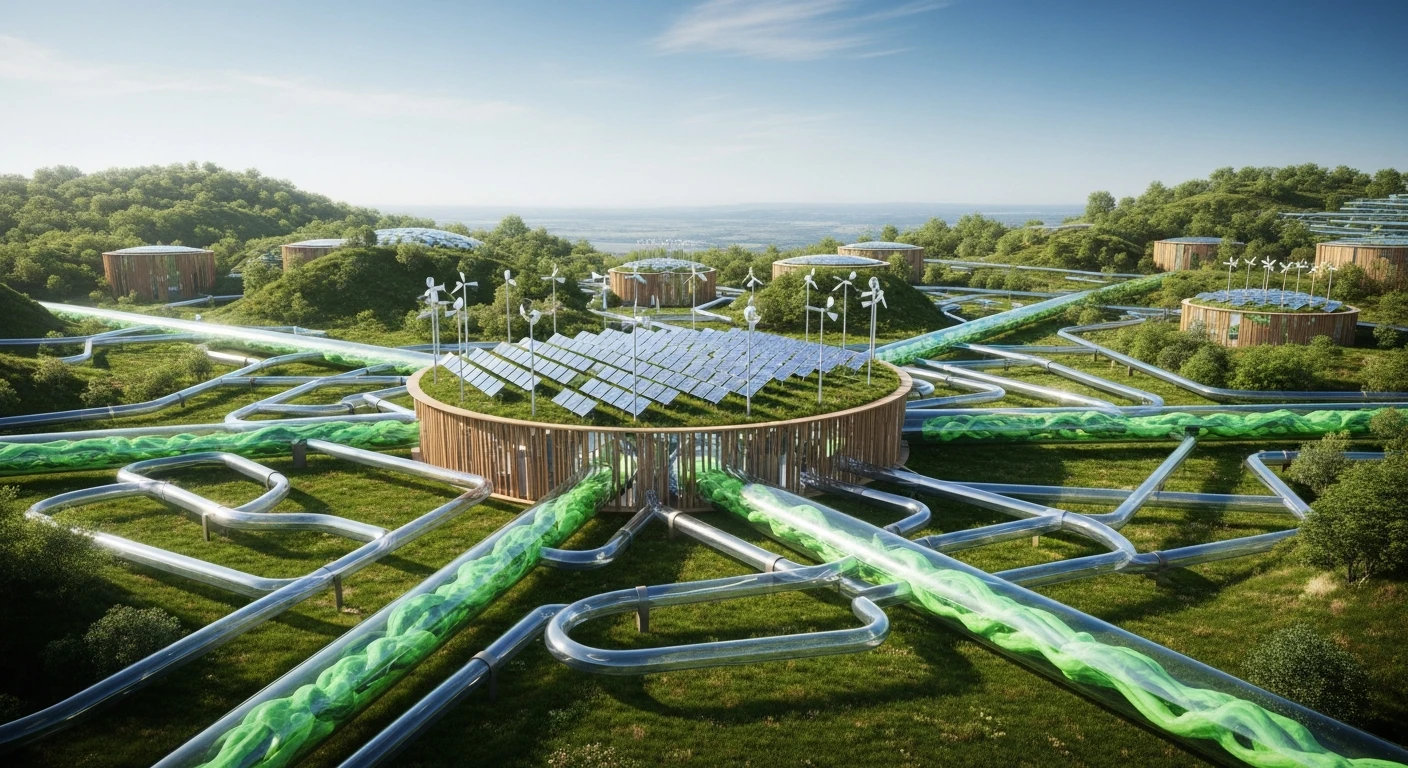
The technical implementation of this 13 percent goal centers on the deployment of anaerobic digesters, which are specialized sealed containers where bacteria break down organic matter in the absence of oxygen. This biological process produces a raw biogas. It consists primarily of methane and carbon dioxide, along with trace gases that must be removed before use. Modern upgrading systems utilize advanced membrane separation and pressure swing adsorption to refine this biogas into high-purity methane that meets the quality standards of the provincial pipeline network. In 2026, the efficiency of these systems has reached a point where even medium-sized dairy operations can contribute to the grid by processing their waste on-site or through communal processing hubs. The resulting renewable natural gas is chemically identical to conventional fossil gas, allowing it to be used in existing furnaces and industrial boilers without requiring any equipment modifications from the end user at all.
Scaling the production of renewable natural gas also provides a significant environmental advantage by capturing methane emissions that would otherwise be released during the conventional storage and spreading of manure. In a traditional farming environment, open lagoons and stockpiles are major sources of atmospheric methane. This greenhouse gas has a much higher warming potential than carbon dioxide. By moving this waste into a controlled anaerobic environment, farmers can mitigate these emissions while simultaneously producing a nutrient-rich digestate that serves as an effective organic fertilizer. This byproduct retains the nitrogen, phosphorus, and potassium found in the original manure but in a more stable form, which improves soil health and reduces the need for synthetic chemical inputs. Consequently, the adoption of digester technology supports a circular economy where the nutrients are returned to the soil while the energy content is harvested for use.
The realization of manure-based energy potential required a fundamental shift in how the province viewed agricultural residues as a strategic asset. Strategic investments in rural infrastructure ensured that the logistical challenges of transporting wet manure did not outweigh the caloric benefits of the captured gas. Stakeholders prioritized the development of regional clusters that optimized the distance between waste sources and injection headers, effectively minimizing the carbon footprint of the transportation phase. Financial institutions played a critical role by offering specialized green loans that accounted for the predictable revenue generated by gas sales and fertilizer sales. This collective effort transformed the dairy and livestock sectors into pivotal players within the provincial energy landscape. Moving forward, the focus shifted toward enhancing the microbial efficiency of digesters and expanding the use of bio-methane in heavy transport to reduce provincial reliance on fossil fuels.