
As permafrost degradation causes high-altitude ground to thaw, the resulting slope instability is creating a dangerous environment for the heavy engineering required by hydropower construction. The catastrophic floods and mudslides occurring along the Nepal-China border in August have transformed from a localized weather event into a massive humanitarian and economic emergency, centered specifically on the country’s ambitious hydropower sector. As the backbone of the national energy grid, these projects are now under intense scrutiny as hundreds of laborers remain trapped within the very infrastructure designed to modernize the nation. The human cost of this disaster is staggering, with nearly a thousand confirmed dead and thousands more missing across the border region. Search and rescue operations have pivoted toward a desperate race against time to reach approximately 900 workers entombed in massive diversion tunnels. These subterranean passages, designed for heavy machinery and water flow, became lethal traps when debris flows sealed their entrances, leaving rescuers with a narrow window to provide oxygen and water to those buried alive.
The Physical and Economic Toll on Energy Infrastructure
Impact on Power Generation: National Grid Stability
The August floods have delivered a severe blow to national energy security, effectively knocking out ten percent of the total power capacity in a single event. This destruction mirrors previous disasters where landslides crippled a third of the generating power, proving that the current infrastructure is highly susceptible to recurring climate shocks. Projects in high-risk districts like Rasuwa and Nuwakot have been overrun by mud, leaving many operational plants silenced and construction sites in ruins.
The sudden loss of such a significant portion of the energy supply has forced the government to reconsider its reliance on centralized mountain projects. Economic analysts estimate that the downtime for these facilities could last several months, leading to industrial slowdowns and a reliance on expensive energy imports from neighboring grids. This instability highlights the urgent need for a more distributed energy model that can withstand the localized but intense geographic disruptions that have become a hallmark of the current decade.
Destruction of Lifeline Services: Community Isolation
Beyond the power plants themselves, the floods have decimated essential lifeline infrastructure, including dozens of bridges and kilometers of vital roadways. This systemic failure isolates mountain communities and prevents the delivery of emergency aid and medical supplies. When a primary power station is buried, as seen in the Dhading district, the resulting blackout affects tens of thousands of people, demonstrating how fragile the link is between energy production and daily survival in remote regions.
The collapse of logistical networks has made it nearly impossible for heavy machinery to reach disaster zones for reconstruction. Without functional roads, the cost of transporting specialized repair components for turbines and transformers skyrockets, often requiring aerial transport that is hampered by poor weather. This isolation does not just delay energy restoration; it creates a vacuum where basic services like sanitation and telecommunications fail, leaving thousands of displaced residents in a state of prolonged vulnerability.
Climatic Triggers and the Vulnerability of Run-of-River Design
Accelerated Warming: Landscape Instability
Climate scientists point to the Hindu Kush Himalaya region warming at a rate far exceeding the global average as the primary driver of these disasters. This rapid temperature rise leads to glacial melting and the thawing of high-altitude permafrost, which renders mountain slopes increasingly unstable. When these factors combine with erratic, intense precipitation patterns, the steep terrain loses its ability to absorb water, resulting in the massive debris flows that now threaten every engineering project.
The mechanism of these floods is often linked to the formation and subsequent breach of temporary dams created by landslides. As soil becomes saturated, the internal friction holding slopes together vanishes, leading to catastrophic shifts that can bury entire valleys in minutes. These events are no longer anomalies but are becoming a predictable consequence of a mountain range in transition. Monitoring this landscape requires an unprecedented level of geological data that current regional frameworks are still struggling to provide.
Structural Risks: Current Hydropower Engineering
The prevailing run-of-river design used in most Nepalese hydropower plants places them in the direct path of danger. Because these facilities must be situated within steep river channels to maximize water flow and pressure, they are naturally positioned where floodwaters and landslides are most destructive. This geographic reality means that traditional engineering methods, which rely on the historical stability of the mountains, are increasingly mismatched with the volatile environmental conditions of a warming world.
Furthermore, the accumulation of silt and heavy debris during flood events causes mechanical wear on turbines that few designs can handle. Even if a dam survives the initial surge of water, the abrasive nature of Himalayan sediment can render expensive machinery useless within hours of a storm. Engineers are now grappling with the fact that structures built for a fifty-year lifespan may face total obsolescence much earlier due to the sheer intensity of the environmental forces acting against them.
Future Strategies for Climate-Resilient Development
Shifting the Paradigm: Systemic Resilience
Experts are now calling for a shift in strategy, moving away from the futile attempt to build indestructible dams and toward the concept of systemic resilience. Rather than focusing solely on the strength of a single wall, the goal is to ensure the continuity of energy services through redundancy and backups. By optimizing project locations through advanced risk assessments and improving early warning communication between upstream sensors and downstream sites, the industry can better protect its assets and workforce.
This approach involves the integration of modular energy components that can be quickly replaced or bypassed if a single node in the network fails. Building resilience also means investing in human capital, ensuring that onsite engineers and laborers are trained in rapid-evacuation protocols and emergency structural stabilization. The shift toward resilience recognizes that while environmental hazards cannot be entirely avoided, the catastrophic failure of the entire national energy system certainly can be.
Strategic Reform: Diversification and Finance
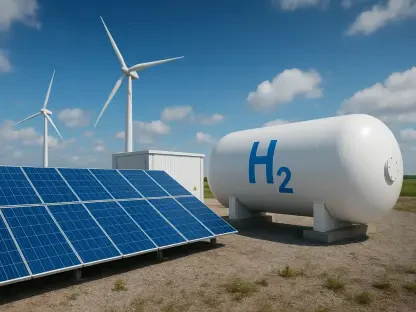
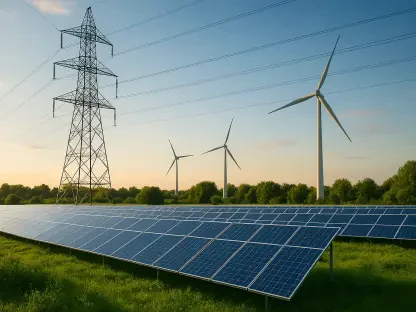
The recurring crises have reignited a national debate on the need to diversify the energy portfolio to include decentralized solar and wind power. Relying less on massive, geographically fixed hydropower projects would make the national grid less vulnerable to localized mountain disasters. Furthermore, stricter land-use regulations and comprehensive environmental assessments are essential to ensure that future infrastructure does not act as a force multiplier for floods, inadvertently worsening the impact on downstream communities.
Bridging the financial gap remains a massive challenge, as national disaster funds are vastly insufficient to handle the scale of the 2026 emergency. Addressing this required the implementation of innovative insurance tools and climate-risk financing that prioritized rapid reconstruction and long-term adaptation. These financial mechanisms allowed for the mobilization of resources before a disaster struck, rather than relying on reactive aid. By internalizing the cost of climate risk into the initial planning phases, the sector began to favor safer, more sustainable project designs over high-risk ventures.
The 2026 disaster served as a definitive turning point for Himalayan engineering, forcing a transition from traditional construction toward climate-adaptive infrastructure. Stakeholders recognized that the survival of the energy sector depended on a multifaceted approach involving real-time permafrost monitoring, the decentralization of the power grid, and the adoption of robust silt-management technologies. Moving forward, the integration of cross-border early warning systems and the mandatory use of reinforced diversion tunnels became standard practice to protect human lives. This shift ensured that future developments were not merely focused on power output, but were fundamentally designed to exist within the reality of a volatile and warming mountain landscape.