
The massive concrete arch of the Hoover Dam has functioned for nearly a century as the primary technological guarantor of economic stability for the remote high-desert communities of Nevada. For generations, the steady flow of the Colorado River through massive turbines provided a baseline of inexpensive hydroelectricity that allowed rural economies to flourish in an otherwise inhospitable environment. This energy legacy transformed the region from a collection of isolated outposts into a network of sustainable towns where low-cost power served as the fundamental driver of residential and commercial expansion.
Small, non-profit utility districts in Lincoln and Clark Counties have historically operated as the backbone of this regional infrastructure. Unlike massive investor-owned utilities that cater to urban centers, these local cooperatives focus on providing affordable service to ranching, mining, and small-business interests. These districts operate on thin margins, where even a slight fluctuation in energy procurement costs can disrupt the entire local financial ecosystem. Their survival has been inextricably linked to the federal hydropower allocations that once seemed guaranteed for eternity.
The relationship between Lake Mead water levels and the regional power grid is no longer a matter of environmental concern but one of immediate mechanical survival. As the reservoir elevation drops, the head pressure required to turn the massive turbines diminishes, leading to a direct and measurable loss in electrical frequency and volume. This physical reality creates a cascading effect throughout the grid, where rural providers find themselves at the mercy of a receding shoreline. The stability that once defined the regional market is being replaced by a precarious dependence on external energy imports.
Primary market players are now forced to re-evaluate the significance of low-cost energy for sustained rural growth. Historically, the promise of cheap electricity attracted industrial interests and residents to the Nevada interior, providing a competitive edge over more expensive neighboring states. Without this pricing advantage, the economic incentive for regional development threatens to evaporate, leaving rural counties to face a future where the cost of living could soon outpace the local wage base.
Analyzing Market Shifts and Economic Projections
Adapting to Diminishing Hydropower and the Strategic Solar Pivot
The transition from stable river-fed power to volatile market-rate electricity has necessitated a complete overhaul of utility procurement strategies. Districts that once relied on long-term federal contracts are now navigating a complex landscape of daily spot-market prices, where costs can spike unexpectedly during peak summer months. This shift has forced local managers to become energy traders, balancing the immediate needs of their communities against the high costs of supplemental fossil fuel generation.
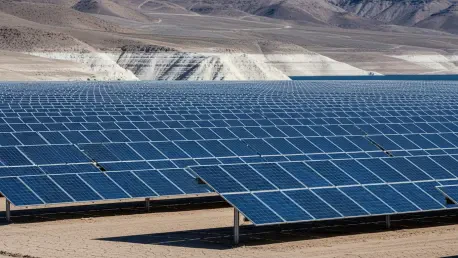
The emergence of solar energy has become the primary defense for small-scale utility providers attempting to shield their customers from rate volatility. By investing in localized photovoltaic arrays, rural districts are creating a new form of energy sovereignty that does not depend on the water levels of a distant reservoir. These projects are designed to capture the abundant Nevada sunshine, turning a climatic challenge into a functional asset that mirrors the reliability hydropower once provided.
Rural districts are currently innovating independently because a comprehensive federal roadmap for small-utility survival remains elusive. Managers are forming regional alliances to share the costs of new technology, effectively bypassing the traditional bureaucratic delays of larger state-level initiatives. This shift toward decentralized energy portfolios is not merely a preference for green technology but a desperate move to maintain community survival in an era of hydrological uncertainty.
Quantifying the Economic Strain and Generation Loss
Projected water elevations suggest that the 1,035-foot threshold at Lake Mead represents a critical mechanical tipping point for current infrastructure. Falling below this level would render most of the original turbines ineffective, forcing a sudden and dramatic reduction in power output. For rural Nevada, this means the loss of a significant portion of its total energy allocation, creating a void that must be filled with far more expensive alternatives.
Nevada’s share of the output has already seen a decline of nearly 70% compared to historical peaks, creating a massive shortfall in the regional energy balance. This generation loss is particularly damaging because it occurs during the hottest months when air conditioning demand is at its highest. The resulting gap in supply has triggered a series of rate shocks, forcing some utility districts to implement emergency pricing tiers to cover the cost of replacement power.
To mitigate this price volatility, utility managers are increasingly turning to the practice of pre-buying power years in advance. By locking in rates before the reservoir reaches the critical 1,035-foot precipice, they hope to provide some level of predictability for their residents. Growth projections indicate that alternative energy projects, particularly those slated for completion by 2027, will be essential in stabilizing these costs before the current hydropower contracts face further degradation.
Facing the Precipice of Physical and Financial Infrastructure Limits
The technical failure of aging turbine infrastructure during high-drought conditions has exposed the fragility of the legacy grid. Many of the components currently in use at the dam were designed for a water-rich era that no longer exists, making them inefficient under low-pressure scenarios. As the physical limits of these machines are reached, the risk of mechanical breakdown increases, further threatening the reliability of the power supply to remote counties.
Operational challenges are compounded by the loss of ramping flexibility, which allows utilities to increase power production instantly during peak demand. Hydropower was once the perfect “peaking” resource, but with less water available, the dam can no longer respond to sudden spikes in energy use. This forces utilities to rely on “baseload” contracts from coal or natural gas plants, which are less responsive and often more expensive during times of grid stress.
Significant capital gaps remain a primary obstacle, as small utility districts lack the tax base to support the construction of large-scale geothermal or fossil fuel plants. Developing new generation facilities requires billions of dollars in upfront investment, a sum that is far beyond the reach of rural counties with limited populations. This struggle to secure the infrastructure needed for long-term stability has left many communities in a defensive posture, focused on conservation rather than expansion.
Navigating the Regulatory Landscape and Federal Mitigation Strategies
The “Help Hoover Dam Act” has provided a much-needed lifeline by funding the modernization of the dam’s mechanical infrastructure. This legislation focuses on replacing outdated turbines with modern, high-efficiency models that can operate even when water levels are significantly lower than original design specifications. These upgrades are essential for preserving what remains of the hydropower allocation for rural Nevadans.
Management of water elevations by the Bureau of Reclamation has become a delicate balancing act between downstream agricultural needs and upstream energy production thresholds. Federal officials are now forced to make difficult decisions about when to release water, often prioritizing human consumption over power generation. This hierarchy of needs places rural energy providers in a secondary position, highlighting the vulnerability of hydropower as a primary resource.
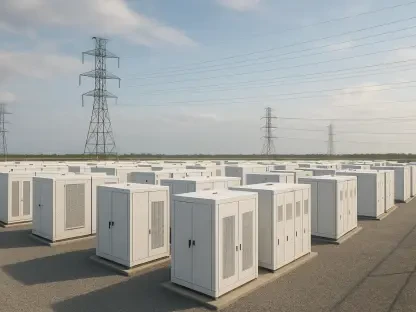
Federal grants and Department of Energy initiatives have begun to flow toward rural solar development to bridge the transition period. These funds are helping to offset the high costs of battery storage and grid integration, which are necessary for making solar a viable replacement for the 24-hour reliability of hydropower. Despite these efforts, the complexities of policy polarization often slow the deployment of these resources to the areas that need them most.
The Roadmap Toward a Decentralized and Resilient Energy Future
New wide-head turbines offer a potential technical solution, as they are specifically designed to function at the historic low water levels projected for the coming years. By retrofitting the dam with this specialized equipment, engineers hope to maintain a baseline of electrical generation even if the reservoir continues to shrink. This innovation represents a bridge between the legacy systems of the past and the harsh hydrological realities of the future.
The role of innovation extends beyond the dam itself, as rural utilities explore microgrid technology to increase local resilience. By connecting solar arrays directly to battery storage at the community level, towns can protect themselves from broader grid failures caused by regional energy shortages. This approach fosters a new level of grid independence, allowing rural communities to remain viable despite the broader collapse of the Colorado River system.
Anticipating the evolution of consumer behavior is also a key component of this roadmap, as rising energy costs drive a greater emphasis on efficiency. Residents are increasingly adopting smart-home technologies and energy-saving measures to lower their monthly bills, effectively reducing the overall load on the utility districts. This shift toward localized energy production and demand management is essential for navigating the next decade of transition.
Redefining Rural Resilience in an Arid Western Climate
The strategic response of rural Nevada shifted from reactive mitigation to a proactive overhaul of the regional energy architecture. Legislators recognized that the era of hydraulic certainty had ended, and the focus moved toward securing a mix of geothermal and solar assets that could operate regardless of river flow. This transition redefined how rural policymakers viewed regional security, moving the goalpost from mere survival toward long-term autonomy.
Rural leaders successfully prioritized the development of regional microgrids that operated independently during periods of high grid stress. These investments in localized storage and distributed generation created a buffer against the volatility of the Western power market. The era of 90-year dependence on the Colorado River was replaced by a diversified portfolio that rewarded innovation and community-led infrastructure projects.
Future growth areas were identified in the expansion of geothermal plants, which provided the consistent baseload power that solar could not match. Policymakers established new incentives for private investment in these high-output facilities, ensuring that the rural energy grid remained robust enough to support industrial mining and agricultural processing. The survival of these communities was ultimately secured through a forced but necessary adaptation to a drier and more decentralized reality.