
The Great Energy Transition: Solar Power at the Forefront of Grid Evolution
The relentless expansion of the American power grid is currently entering a decisive phase where solar energy must prove its capacity to handle unprecedented surges in consumption. As the nation faces increasing electricity needs driven by technological growth and extreme weather, the question of whether renewable resources can sustain the grid has become paramount. Current data suggests that solar generation is no longer just a peripheral contributor but a cornerstone of national energy security. This analysis explores how solar capacity is scaling to meet rising demand, the decline of traditional fossil fuels, and the structural changes required to maintain a reliable and sustainable power grid.
From Coal Dependence to a Diversified Renewable Portfolio
For decades, the domestic electricity grid relied heavily on coal and natural gas to provide a steady baseload of power. However, the last few years have seen a dramatic industry shift fueled by technological advancements, falling costs, and environmental mandates. Historically, coal was the backbone of industry, but aging infrastructure and the economic superiority of renewables have led to a steady decline in its usage. This foundational shift has cleared the way for solar and wind to transition from niche technologies to primary energy drivers, representing a permanent realignment of the American energy landscape.
Assessing the Current Trajectory of Solar Growth and Resource Integration
Harnessing Seasonal Peaks: Balancing Increasing Summer Loads
A critical aspect of the current energy transition is the ability of solar power to align with peak demand cycles. During the summer months, electricity consumption typically skyrockets due to cooling needs amidst extreme heat. Projections indicate that solar generation is surging by double digits this season, providing a vital buffer when the grid is most strained. This ability to generate maximum power during the hottest parts of the day makes solar an ideal solution for meeting summer peaks. While wind energy remains a larger annual contributor, solar is increasingly outperforming other renewables during these high-stakes seasonal windows.
The Retreat of Fossil Fuels: Stability of Low-Carbon Alternatives
As solar power expands its footprint, the traditional reliance on coal continues to fade rapidly. Industry forecasts anticipate significant drops in coal generation, a trend reflecting both plant retirements and the competitive pricing of renewable energy. Meanwhile, natural gas production shows only marginal increases, and nuclear energy remains a steady but static contributor to the national total. This creates a supply gap that must be filled by rapid solar deployment. The challenge lies in ensuring that as fossil fuel assets retire, the combination of solar, wind, and hydro can maintain a stable and reliable output.
Regional Variations: The Complexity of Modern Grid Management
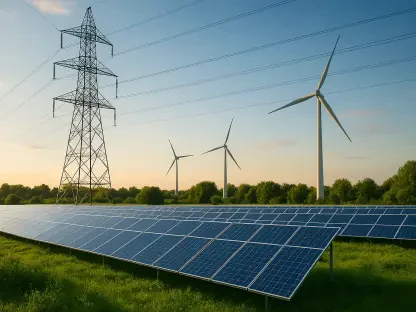
The success of solar power is not uniform across the country, as regional differences and infrastructure limitations create a complex patchwork of adoption. Southwestern states benefit from high solar irradiance, while other regions face challenges related to cloud cover or land availability. Furthermore, disruptive innovations in grid management are addressing the intermittency of solar power. Emerging methodologies in smart grid technology and high-capacity storage are ensuring that energy collected during the day can be used effectively after sunset, debunking the myth that solar is only useful when the sun is shining.
Technological Innovations and the Regulatory Path Forward
The future of the energy landscape is being shaped by rapid innovations in photovoltaic efficiency and regulatory shifts. Emerging trends, such as bifacial solar panels and advanced tracking systems, are allowing solar farms to capture more sunlight than ever before. Additionally, economic incentives are expected to accelerate the deployment of utility-scale solar projects. Experts predict that as the cost of battery storage continues to plummet, the integration of solar power will become even more seamless, allowing the grid to handle the projected 3.3% increase in electricity sales expected by 2027.
Key Takeaways for Navigating the New Energy Market
The data underscores a clear consensus: the grid is becoming cleaner and more dependent on seasonal solar peaks. For businesses, this shift suggests that investing in energy efficiency and localized solar solutions is a practical strategy for long-term cost savings. Professionals in the energy sector should prioritize skills in renewable integration and storage management, as these areas will see the highest growth. For the consumer, staying informed about regional energy incentives and the timing of electricity usage can help mitigate the impact of rising demand and shifting market prices.
Conclusion: Securing America’s Energy Future Through Solar Innovation
The transition toward solar power functioned as a defining feature of the modern energy narrative. As electricity demand rose and fossil fuels exited the stage, solar energy proved to be a reliable and scalable solution capable of meeting the nation’s evolving needs. This shift remained significant because energy security formed the bedrock of economic stability. The grid reached a turning point where the continued expansion of solar capacity became essential for maintaining a resilient power supply. Strategic integration of renewables not only satisfied growing demand but also ensured a cleaner legacy for future generations.