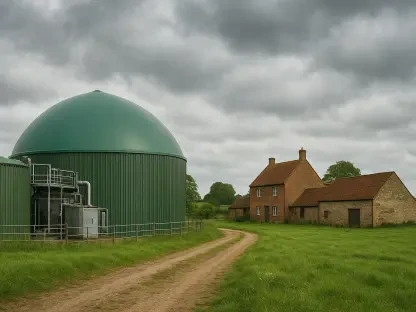

Chief Minister Rekha Gupta presided over the inauguration of a sixteen crore rupee infrastructure project aimed at converting dairy waste into renewable energy resources. This development at the Goyla Dairy in Najafgarh represents a cornerstone of the regional strategy to modernize urban waste management while simultaneously generating economic value for local communities. The facility is equipped to handle roughly 200 metric tonnes of cow dung every day, a volume that previously posed significant logistical and environmental challenges for the Municipal Corporation of Delhi. By shifting from traditional disposal methods to a scientific processing model, the government intends to mitigate the chronic sanitation issues that have affected dairy colonies for decades. High-ranking officials, including Cabinet Minister Ashish Sood and Mayor Pravesh Wahi, attended the event, signaling a unified administrative commitment to environmental stewardship and the modernization of infrastructure within the capital’s periphery. This move effectively transitions waste from a public liability into a renewable asset for the future.
Advancing Energy Security: High-Tech Processing
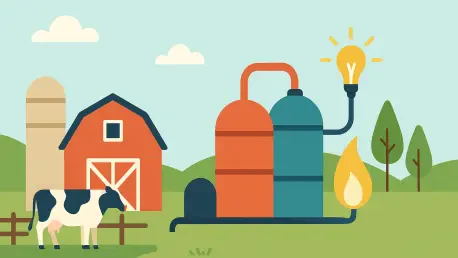
The operational heart of the Goyla Dairy plant lies in its ability to harness advanced anaerobic digestion technology to produce high-value fuel from organic matter. Each day, the facility processes hundreds of tons of raw waste, generating a staggering 14,000 cubic meters of raw biogas through controlled fermentation. This raw gas undergoes a rigorous purification process to remove impurities, resulting in approximately 5.6 tonnes of compressed biogas (CBG) that meets high industrial standards for energy density and purity. By establishing a direct pipeline connection to Indraprastha Gas Limited, the project ensures that this renewable fuel is immediately integrated into the city’s energy distribution network.
This seamless transition from organic waste to pipeline-ready gas exemplifies a sophisticated engineering solution to the problem of urban energy demands. Moreover, the systematic collection of dung prevents it from entering the local drainage systems, thereby reducing the frequent maintenance costs associated with clearing clogged sewers and urban waterways. By returning essential nutrients to the soil, the plant fosters a closed-loop system where dairy farming directly supports local crop production without the heavy environmental footprint of synthetic additives. This circular economy model not only preserves the regional soil quality but also provides a sustainable disposal route for solid waste.
Environmental Protection: Restoring the Yamuna River
The environmental implications of this project extend far beyond the borders of Najafgarh, playing a critical role in the broader mission to revitalize the Yamuna River. For generations, the lack of a structured disposal mechanism in dairy colonies meant that massive quantities of animal waste were routinely washed into the city’s drainage network. These pollutants eventually found their way into the Yamuna, contributing to high levels of ammonia and biological oxygen demand that devastated the local aquatic ecosystem. By intercepting 200 metric tonnes of cow dung daily at the source, the Goyla Dairy plant acts as a primary barrier against river contamination.
Chief Minister Rekha Gupta emphasized that true ecological restoration requires addressing the origin of pollutants rather than relying solely on downstream filtration. This proactive approach ensures that the river is protected from organic runoff, which has historically been one of the most difficult non-point sources of pollution to manage effectively within a dense urban landscape. Furthermore, the plant’s operation significantly improves the immediate sanitation conditions for residents living within and around the dairy colonies. The reduction of odor and the elimination of open-air waste piles are immediate benefits that demonstrate the social value of investing in high-tech waste infrastructure.
Economic Empowerment: The Waste to Wealth Model
A central component of the government’s strategy involves the democratization of economic benefits through a transparent waste procurement system. To ensure a steady supply of raw materials for the biogas plant, the designated agency has initiated a program to purchase cow dung from local livestock owners at a rate of 67 paise per kilogram. This financial incentive transforms a previously worthless and burdensome waste product into a consistent source of secondary income for small-scale dairy operators. By placing a tangible market value on organic waste, the administration encourages local participation and ensures that the facility operates at peak capacity.
This model is already proving successful in other parts of the city; for instance, the Nangli Sakrawati facility processed 55,000 tonnes of material in the period from 2026, resulting in a total payout of three and a half crore rupees to the farming community. Such direct financial injections strengthen the local economy and provide a buffer for dairy farmers against fluctuating feed and operational costs. In tandem with the direct purchase of waste, the administration has committed fifty crore rupees toward the comprehensive upgrade of basic infrastructure within the city’s dairy colonies. These funds are being directed toward the construction of modern drainage and water supply networks.
Strategic Governance: The Triple-Engine Approach
The rapid deployment of the Goyla Dairy project underscores the efficiency of what officials describe as a triple-engine government framework. This collaborative model involves synchronized efforts between the Central Government, the Delhi Government, and the Municipal Corporation, ensuring that bureaucratic hurdles are minimized and projects are fast-tracked. In the eighteen months leading up to mid-2026, this partnership successfully operationalized three major biogas plants, with an additional six facilities currently in various stages of development. This pace of infrastructure rollout marks a significant departure from previous years when projects languished.
By aligning policy objectives across different levels of administration, the government has been able to secure necessary funding and technical expertise with unprecedented speed. This administrative synergy is vital for managing the complex requirements of a mega-city like Delhi, where waste management demands a multi-agency response to be truly effective. Cabinet Minister Ashish Sood noted that the focus shifted from identifying obstacles to delivering tangible results that enhance the quality of life for all urban residents. The initiative proves that with targeted investment and strategic governance, metropolitan waste challenges can be effectively converted into lasting public benefits and energy security.
Future Projections: Scaling Sustainable Infrastructure
The inauguration of the Goyla Dairy facility finalized a critical transition toward a more sustainable and economically viable waste management ecosystem. Officials recognized that the project’s success depended on the seamless integration of technology, public cooperation, and consistent policy support. Looking forward, the administration aimed to scale this decentralized model to other urban clusters, recommending the adoption of similar waste to wealth initiatives in every dairy district. These next steps involved expanding the pipeline network to allow more residents access to purified biogas and refining the organic fertilizer distribution to reach a broader agricultural base.
The government also prioritized the implementation of automated waste sorting systems to further enhance the purity of the raw inputs before they reached the fermentation tanks. By focusing on these actionable improvements, the city laid the groundwork for a resilient circular economy that prioritized environmental integrity alongside community prosperity. This initiative proved that with targeted investment, metropolitan waste challenges were successfully converted into lasting public benefits. The transition toward a cleaner and greener capital was built on the foundation of scientific waste management and resource efficiency, ensuring that the livestock industry contributed positively to the city’s broader environmental goals.